
Verwandte Artikel zu The Recovery Revolution: The Battle Over Addiction...
Inhaltsangabe
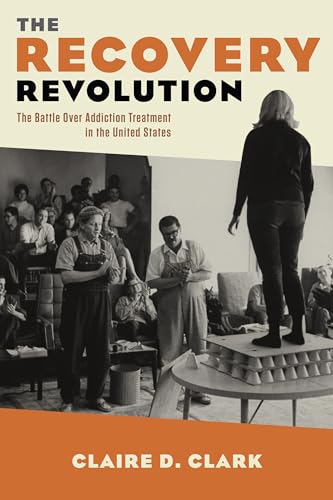
In the 1960s, as illegal drug use grew from a fringe issue to a pervasive public concern, a new industry arose to treat the addiction epidemic. Over the next five decades, the industry's leaders promised to rehabilitate the casualties of the drug culture even as incarceration rates for drug-related offenses climbed. In this history of addiction treatment, Claire D. Clark traces the political shift from the radical communitarianism of the 1960s to the conservatism of the Reagan era, uncovering the forgotten origins of today's recovery movement.
Based on extensive interviews with drug-rehabilitation professionals and archival research, The Recovery Revolution locates the history of treatment activists' influence on the development of American drug policy. Synanon, a controversial drug-treatment program launched in California in 1958, emphasized a community-based approach to rehabilitation. Its associates helped develop the therapeutic community (TC) model, which encouraged peer confrontation as a path to recovery. As TC treatment pioneers made mutual aid profitable, the model attracted powerful supporters and spread rapidly throughout the country. The TC approach was supported as part of the Nixon administration's "law-and-order" policies, favored in the Reagan administration's antidrug campaigns, and remained relevant amid the turbulent drug policies of the late twentieth and early twenty-first centuries. While many contemporary critics characterize American drug policy as simply the expression of moralizing conservatism or a mask for racial oppression, Clark recounts the complicated legacy of the "ex-addict" activists who turned drug treatment into both a product and a political symbol that promoted the impossible dream of a drug-free America.
Die Inhaltsangabe kann sich auf eine andere Ausgabe dieses Titels beziehen.
Über die Autorin bzw. den Autor
Claire D. Clark is an assistant professor of behavioral science at the University of Kentucky. Her work has been published in the American Journal of Public Health and Social History of Alcohol and Drugs.
„Über diesen Titel“ kann sich auf eine andere Ausgabe dieses Titels beziehen.
Suchergebnisse für The Recovery Revolution: The Battle Over Addiction...

Beispielbild für diese ISBN
The Recovery Revolution: The Battle Over Addiction Treatment in the United States
Verlag:
Columbia University Press, 2017
ISBN 10: 0231176384
ISBN 13: 9780231176385
Gebraucht
Hardcover
Anbieter: HPB-Emerald, Dallas, TX, USA
Verkäuferbewertung 5 von 5 Sternen

hardcover. Zustand: Very Good. Connecting readers with great books since 1972! Used books may not include companion materials, and may have some shelf wear or limited writing. We ship orders daily and Customer Service is our top priority! Bestandsnummer des Verkäufers S_449621768
Gebraucht kaufen
EUR 8,59
EUR 3,35 Versand
Versand innerhalb von USA
Versand innerhalb von USA
Anzahl: 1 verfügbar
Beispielbild für diese ISBN
The Recovery Revolution: The Battle Over Addiction Treatment in the United States
Verlag:
Columbia University Press, 2017
ISBN 10: 0231176384
ISBN 13: 9780231176385
Gebraucht
Hardcover
Anbieter: Idaho Youth Ranch Books, Boise, ID, USA
Verkäuferbewertung 5 von 5 Sternen
Zustand: Good. A copy that has been read, but remains in clean condition. All pages are intact, and the cover is intact (including dust cover, if applicable). The spine may show signs of wear. Pages can include limited notes and highlighting, and the copy can include "From the library of" labels or limited small stickers. Book may have a remainder mark or be a price cutter. Bestandsnummer des Verkäufers B-03-03-05-0714
Gebraucht kaufen
EUR 8,59
EUR 3,56 Versand
Versand innerhalb von USA
Versand innerhalb von USA
Anzahl: 1 verfügbar
Beispielbild für diese ISBN
The Recovery Revolution : The Battle over Addiction Treatment in the United States
Verlag:
Columbia University Press, 2017
ISBN 10: 0231176384
ISBN 13: 9780231176385
Gebraucht
Hardcover
Anbieter: Better World Books: West, Reno, NV, USA
Verkäuferbewertung 5 von 5 Sternen
Zustand: Very Good. Former library copy. Pages intact with possible writing/highlighting. Binding strong with minor wear. Dust jackets/supplements may not be included. Includes library markings. Stock photo provided. Product includes identifying sticker. Better World Books: Buy Books. Do Good. Bestandsnummer des Verkäufers 56831344-75
Gebraucht kaufen
EUR 12,47
Versand gratis
Versand innerhalb von USA
Versand innerhalb von USA
Anzahl: 1 verfügbar
Beispielbild für diese ISBN
The Recovery Revolution : The Battle over Addiction Treatment in the United States
Verlag:
Columbia University Press, 2017
ISBN 10: 0231176384
ISBN 13: 9780231176385
Gebraucht
Hardcover
Anbieter: Better World Books, Mishawaka, IN, USA
Verkäuferbewertung 5 von 5 Sternen
Zustand: Good. Former library copy. Pages intact with minimal writing/highlighting. The binding may be loose and creased. Dust jackets/supplements are not included. Includes library markings. Stock photo provided. Product includes identifying sticker. Better World Books: Buy Books. Do Good. Bestandsnummer des Verkäufers 42665536-75
Gebraucht kaufen
EUR 12,47
Versand gratis
Versand innerhalb von USA
Versand innerhalb von USA
Anzahl: 1 verfügbar
Beispielbild für diese ISBN
The Recovery Revolution: The Battle Over Addiction Treatment in the United States
Verlag:
Columbia University Press, 2017
ISBN 10: 0231176384
ISBN 13: 9780231176385
Gebraucht
Hardcover
Anbieter: Midtown Scholar Bookstore, Harrisburg, PA, USA
Verkäuferbewertung 5 von 5 Sternen
Hardcover. Zustand: Very Good. Very Good - Crisp, clean, unread book with some shelfwear/edgewear, may have a remainder mark - NICE Standard-sized. Bestandsnummer des Verkäufers M0231176384Z2
Gebraucht kaufen
EUR 7,55
EUR 5,36 Versand
Versand innerhalb von USA
Versand innerhalb von USA
Anzahl: 12 verfügbar
Beispielbild für diese ISBN
The Recovery Revolution: The Battle Over Addiction Treatment in the United States
Verlag:
Columbia University Press, 2017
ISBN 10: 0231176384
ISBN 13: 9780231176385
Gebraucht
Hardcover
Anbieter: Midtown Scholar Bookstore, Harrisburg, PA, USA
Verkäuferbewertung 5 von 5 Sternen
Hardcover. Zustand: Good. Good - Bumped and creased book with tears to the extremities, but not affecting the text block, may have remainder mark or previous owner's name - GOOD Standard-sized. Bestandsnummer des Verkäufers M0231176384Z3
Gebraucht kaufen
EUR 7,78
EUR 5,36 Versand
Versand innerhalb von USA
Versand innerhalb von USA
Anzahl: 11 verfügbar
Beispielbild für diese ISBN
The Recovery Revolution: The Battle Over Addiction Treatment in the United States
Verlag:
Columbia University Press, 2017
ISBN 10: 0231176384
ISBN 13: 9780231176385
Gebraucht
Hardcover
Anbieter: Midtown Scholar Bookstore, Harrisburg, PA, USA
Verkäuferbewertung 5 von 5 Sternen
Hardcover. Zustand: Acceptable. This is a significantly damaged book. It should be considered a reading copy only. Please order this book only if you are interested in the content and not the condition. May be ex-library. HARDCOVER Acceptable - This is a significantly damaged book. It should be considered a reading copy only. Please order this book only if you are interested in the content and not the condition. May be ex-library. Standard-sized. Bestandsnummer des Verkäufers M0231176384Z4
Gebraucht kaufen
EUR 8,02
EUR 5,36 Versand
Versand innerhalb von USA
Versand innerhalb von USA
Anzahl: 2 verfügbar
Foto des Verkäufers
Recovery Revolution : The Battle over Addiction Treatment in the United States
Verlag:
Columbia University Press, 2017
ISBN 10: 0231176384
ISBN 13: 9780231176385
Gebraucht
Hardcover
Anbieter: GreatBookPrices, Columbia, MD, USA
Verkäuferbewertung 5 von 5 Sternen
Zustand: As New. Unread book in perfect condition. Bestandsnummer des Verkäufers 28184244
Gebraucht kaufen
EUR 33,61
EUR 2,36 Versand
Versand innerhalb von USA
Versand innerhalb von USA
Anzahl: 2 verfügbar
Foto des Verkäufers
Recovery Revolution : The Battle over Addiction Treatment in the United States
Anbieter: GreatBookPrices, Columbia, MD, USA
Verkäuferbewertung 5 von 5 Sternen
Zustand: New. Bestandsnummer des Verkäufers 28184244-n
Neu kaufen
EUR 38,06
EUR 2,36 Versand
Versand innerhalb von USA
Versand innerhalb von USA
Anzahl: 2 verfügbar
Foto des Verkäufers
The Recovery Revolution
Verlag:
Columbia University Press, US, 2017
ISBN 10: 0231176384
ISBN 13: 9780231176385
Neu
Hardcover
Anbieter: Rarewaves.com USA, London, LONDO, Vereinigtes Königreich
Verkäuferbewertung 5 von 5 Sternen
Hardback. Zustand: New. In the 1960s, as illegal drug use grew from a fringe issue to a pervasive public concern, a new industry arose to treat the addiction epidemic. Over the next five decades, the industry's leaders promised to rehabilitate the casualties of the drug culture even as incarceration rates for drug-related offenses climbed. In this history of addiction treatment, Claire D. Clark traces the political shift from the radical communitarianism of the 1960s to the conservatism of the Reagan era, uncovering the forgotten origins of today's recovery movement. Based on extensive interviews with drug-rehabilitation professionals and archival research, The Recovery Revolution locates the history of treatment activists' influence on the development of American drug policy. Synanon, a controversial drug-treatment program launched in California in 1958, emphasized a community-based approach to rehabilitation. Its associates helped develop the therapeutic community (TC) model, which encouraged peer confrontation as a path to recovery. As TC treatment pioneers made mutual aid profitable, the model attracted powerful supporters and spread rapidly throughout the country.The TC approach was supported as part of the Nixon administration's "law-and-order" policies, favored in the Reagan administration's antidrug campaigns, and remained relevant amid the turbulent drug policies of the late twentieth and early twenty-first centuries. While many contemporary critics characterize American drug policy as simply the expression of moralizing conservatism or a mask for racial oppression, Clark recounts the complicated legacy of the "ex-addict" activists who turned drug treatment into both a product and a political symbol that promoted the impossible dream of a drug-free America. Bestandsnummer des Verkäufers LU-9780231176385
Neu kaufen
EUR 40,48
Versand gratis
Versand von Vereinigtes Königreich nach USA
Versand von Vereinigtes Königreich nach USA
Anzahl: 1 verfügbar