
Verwandte Artikel zu Our Turn to Parent: Shared Experiences and Practical...
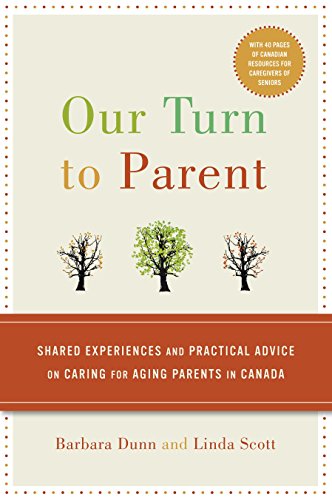
Our Turn to Parent: Shared Experiences and Practical Advice on Caring for Aging Parents in Canada - Softcover
Inhaltsangabe
No one can anticipate what it will be like for you the day you discover you must become a caregiver for one or both of your parents. As you begin to care for them, you will be filled with questions and looking for advice. Our Turn to Parent shows you how to work with your parent to become their caregiver and their champion, and it provides the tools you need to make decisions and feel confident that you are doing right by your aging parents. With stories from real lives, it also offers honest and personal anecdotes about surviving these trying times. Our Turn to Parent is the best and most thorough caregivers’ guide available in Canada today.
Our Turn to Parent offers practical advice on
•deciding when you need to step in and help
•developing the caregiver relationship with your parents
•discussing with the family your parents’ hopes and plans for the future
•adapting the home so that it is safe and comfortable for their evolving needs
•finding appropriate care and help in your community
•choosing the right place for your parent to live should independent living no longer be possible
•navigating the medical system
•organizing your parents’ finances before they become incapacitated
•making clear your parents’ personal care and end-of-life wishes
•caring for yourself
“I have found the last few years to be the most challenging in my life and the most fulfilling…. I have laughed with my mother and cried with my mother, but most of all I have been there for her as she was for me as I was growing up.”–A Caregiver’s Story
Die Inhaltsangabe kann sich auf eine andere Ausgabe dieses Titels beziehen.
Über die Autorin bzw. den Autor
Barbara Dunn has an honours B.A. in Psychology/Mass Communications and a Bachelor of Design. She is currently working as a graphic designer and helps care for her parents. She lives in Oakville, Ontario.
Linda Scott has an honours B.A. in English/Mass Communications. She works as a marketing and advertising director and lives in Richmond Hill, Ontario, with her husband and was caregiver to her mother. This is their first book.
Auszug. © Genehmigter Nachdruck. Alle Rechte vorbehalten.
You As Caregiver
We have talked about many of the issues you may encounter in caring for your parents. Now let’s focus on you, the caregiver. You are managing many responsibilities, personally and probably professionally, and balancing the needs of many people. You may wonder where the time you used to have for yourself has gone. It’s not uncommon to experience feelings of anger, guilt, frustration, stress, worry and doubt. You are making important decisions, dealing with family personalities, managing limited amounts of time, manoeuvreing through administrative red tape, taking care of your family and continuing to work. You are also trying to come to terms with the fact that your parents are in need and may be in pain, and may even be coming to the end of their lives.
If you are to be successful as a caregiver in safeguarding your parents’ health, you must look after yourself mentally and physically. Strive for a balance between your role as a caregiver and the other roles in your life. In this chapter we’ll talk about
• how being a caregiver develops your personal skills
• how the stress of caregiving can affect your health
• how good time management skills can help you and your family
• how to balance home, work and caregiving responsibilities
• support options through work and government assistance
• ways you can look after yourself
• the importance of fostering personal support systems
• the role of respite care.
Being the Caregiver
Being the caregiver for your aging parents requires not only your time but also the ability to develop new skills and draw on skills that you may already use in your job or family life. You need to be able to plan ahead, manage your time, and identify and assemble information to accomplish tasks. How much support you receive in your role as caregiver can greatly affect how you feel about the responsibilities. If you’re getting practical assistance and emotional encouragement from family and/or the community, you will perceive your role as caregiver in a more positive way.
Your reasons for having taken on the role also affect the type of caregiver you are and how you will perceive the tasks you perform for your parents. For many of us our feelings of love for our parents and the knowledge that they sacrificed for us gives us a sense of responsibility for our parents. We make the choice, even if unconsciously in the early stages, because of everything we feel our parents have given us throughout our lives. But some adult children do not have a strong relationship with their parents and do the caregiving out of a sense of guilt and obligation. Regardless of your reason for taking on this important task, you need to look after yourself in order to care for your parents.
Dealing with Stress
We encounter varying degrees of stress throughout our lives, and being able to identify it is the start to understanding what we need to do to get through it. Stress is not only mentally draining but can result in physical symptoms as well, manifesting itself as headache, upset stomach, disrupted sleep, anger at others, confusion and anxiety. Stress can also make it harder for you to fight off disease, because it lowers your immune system. And it can drain your energy. Whether the tasks you face are small, like picking up a prescription for your parents during a hectic day, or large, like previewing long-term care facilities, as a caregiver you should learn to identify the signs of stress.
Self-awareness is important. Trust yourself and your abilities. Know yourself and your reactions so that you can recognize when you are reaching your limit. Acknowledge the feelings that you are having as you look after your parents. Don’t put off making decisions as this can increase stress. And don’t put off doing tasks, as they will be on your mind until they are completed. Delegate tasks to others whenever possible but especially when you need to take a break. Use your time management skills to balance the responsibilities of caregiving with the responsibilities of your life.
Time Management
Good time management skills will help reduce stress and allow you to find some time for yourself.
Realistically, there will be times when your parents will require urgent attention and their needs cannot be dictated by a schedule. Sometimes you will feel there is not enough time in the day to get your parents everything they need. Or you will feel that things seem not to move fast enough. Recognizing that you can’t always control your time can help reduce stress.
TIME MANAGEMENT TIPS
• Keep a calendar that combines your appointments with those of your parents.
• Maintain a to-do list and prioritize items.
• Streamline your finances. Pay bills by automatic withdrawal or use online banking.
• Hold regular meetings of the immediate family to delegate tasks.
• Combine errands to save time.
• Designate a family communication centre, where you keep phone messages, the family calendar and special instructions.
• Be clear with instructions and leave written notes if required.
• Create a list of days and times when extended family are available to help, so that you can schedule tasks for them too.
• Develop effective communication systems within your extended family (e.g., a phone tree, group e-mails).
• Prepare for each day the night before (lay out clothes, gather paperwork, know the day’s schedule).
• Book time for yourself in order to avoid burnout and to give yourself something to look forward to.
Balancing Caregiving and Your Home Life
When you take on the responsibility of being a caregiver for your parents, you do not give up all the other responsibilities in your life. Trying to balance caregiving for aging parents with family and home obligations can be a significant cause of stress. When you overextend yourself trying to manage everything, you feel that you’re not taking care of anything properly. Recognizing that you can’t do it all, and finding other solutions to getting things done will lessen the burden.
Family Meals
Ensuring everyone in the house is getting fed can be a challenge if you have to be with your parents for long periods of time or if you need to be with them during mealtimes. This can cause feelings of guilt because you are not at home caring for your family. Completing caregiving tasks may make it difficult for you to get your own errands, such as grocery shopping, done. Sharing tasks and establishing routines will lessen your responsibilities and reduce your stress.
TIPS FOR MEAL PREPARATION
• Prepare meals for the week in advance and freeze.
• Try commercially prepared frozen meals.
• Find out if there are companies in your area that offer fresh, prepared meals requiring limited cooking time.
• Have a running grocery list posted to which everyone in the household can add items.
• Order groceries online.
• Ask other family members to help with shopping and meal preparation.
• Combine shopping trips with your parents’ errands.
• Have older children do the grocery shopping.
• Encourage kids to help make meals for the family or selves.
• Order take out periodically.
• Talk with partner about taking on more cooking responsibility.
When in crisis
• Have a service such as Meals on Wheels deliver to your home.
• Arrange for children to eat at a friend’s or neighbour’s house.
Housework
Maintaining a house is also stressful. You have to learn to let...
„Über diesen Titel“ kann sich auf eine andere Ausgabe dieses Titels beziehen.
Suchergebnisse für Our Turn to Parent: Shared Experiences and Practical...

Beispielbild für diese ISBN
Our Turn to Parent: Shared Experiences and Practical Advice on Caring for Aging Parents in Canada
Verlag:
Random House Canada (edition ), 2009
ISBN 10: 0307357139
ISBN 13: 9780307357137
Gebraucht
Paperback
Anbieter: BooksRun, Philadelphia, PA, USA
Verkäuferbewertung 5 von 5 Sternen

Paperback. Zustand: Very Good. It's a well-cared-for item that has seen limited use. The item may show minor signs of wear. All the text is legible, with all pages included. It may have slight markings and/or highlighting. Bestandsnummer des Verkäufers 0307357139-11-1
Gebraucht kaufen
EUR 7,79
Versand gratis
Versand innerhalb von USA
Versand innerhalb von USA
Anzahl: 1 verfügbar
Foto des Verkäufers
Our Turn to Parent: Shared Experiences and Practical Advice on Caring for Aging Parents in Canada
Anbieter: Zoom Books Company, Lynden, WA, USA
Verkäuferbewertung 5 von 5 Sternen
Zustand: very_good. Book is in very good condition and may include minimal underlining highlighting. The book can also include "From the library of" labels. May not contain miscellaneous items toys, dvds, etc. . We offer 100% money back guarantee and 24 7 customer service. Bestandsnummer des Verkäufers ZBV.0307357139.VG
Gebraucht kaufen
EUR 7,88
Versand gratis
Versand innerhalb von USA
Versand innerhalb von USA
Anzahl: 1 verfügbar
Foto des Verkäufers
Our Turn to Parent: Shared Experiences and Practical Advice on Caring for Aging Parents in Canada
Anbieter: Zoom Books East, Glendale Heights, IL, USA
Verkäuferbewertung 5 von 5 Sternen
Zustand: very_good. Book is in very good condition and may include minimal underlining highlighting. The book can also include "From the library of" labels. May not contain miscellaneous items toys, dvds, etc. . We offer 100% money back guarantee and 24 7 customer service. Bestandsnummer des Verkäufers ZEV.0307357139.VG
Gebraucht kaufen
EUR 7,88
Versand gratis
Versand innerhalb von USA
Versand innerhalb von USA
Anzahl: 1 verfügbar
Foto des Verkäufers
Our Turn to Parent : Shared Experiences and Practical Advice on Caring for Aging Parents in Canada
Anbieter: GreatBookPrices, Columbia, MD, USA
Verkäuferbewertung 5 von 5 Sternen
Zustand: As New. Unread book in perfect condition. Bestandsnummer des Verkäufers 6306643
Gebraucht kaufen
EUR 14,90
EUR 2,35 Versand
Versand innerhalb von USA
Versand innerhalb von USA
Anzahl: Mehr als 20 verfügbar
Beispielbild für diese ISBN
Our Turn to Parent Format: Paperback
Anbieter: INDOO, Avenel, NJ, USA
Verkäuferbewertung 5 von 5 Sternen
Zustand: As New. Unread copy in mint condition. Bestandsnummer des Verkäufers RH9780307357137
Gebraucht kaufen
EUR 17,33
Versand gratis
Versand innerhalb von USA
Versand innerhalb von USA
Anzahl: Mehr als 20 verfügbar
Foto des Verkäufers
Our Turn to Parent : Shared Experiences and Practical Advice on Caring for Aging Parents in Canada
Anbieter: GreatBookPrices, Columbia, MD, USA
Verkäuferbewertung 5 von 5 Sternen
Zustand: New. Bestandsnummer des Verkäufers 6306643-n
Neu kaufen
EUR 14,99
EUR 2,35 Versand
Versand innerhalb von USA
Versand innerhalb von USA
Anzahl: Mehr als 20 verfügbar
Beispielbild für diese ISBN
Our Turn to Parent Format: Paperback
Anbieter: INDOO, Avenel, NJ, USA
Verkäuferbewertung 5 von 5 Sternen
Zustand: New. Bestandsnummer des Verkäufers 9780307357137
Neu kaufen
EUR 17,39
Versand gratis
Versand innerhalb von USA
Versand innerhalb von USA
Anzahl: Mehr als 20 verfügbar
Foto des Verkäufers
Our Turn to Parent
Anbieter: Rarewaves USA, HEBRON, KY, USA
Verkäuferbewertung 5 von 5 Sternen
Paperback. Zustand: New. Bestandsnummer des Verkäufers LU-9780307357137
Neu kaufen
EUR 17,63
Versand gratis
Versand innerhalb von USA
Versand innerhalb von USA
Anzahl: Mehr als 20 verfügbar
Beispielbild für diese ISBN
Our Turn to Parent (Paperback)
Anbieter: Grand Eagle Retail, Bensenville, IL, USA
Verkäuferbewertung 5 von 5 Sternen
Paperback. Zustand: new. Paperback. No one can anticipate what it will be like for you the day you discover you must become a caregiver for one or both of your parents. As you begin to care for them, you will be filled with questions and looking for advice. Our Turn to Parent shows you how to work with your parent to become their caregiver and their champion, and it provides the tools you need to make decisions and feel confident that you are doing right by your aging parents. With stories from real lives, it also offers honest and personal anecdotes about surviving these trying times. Our Turn to Parent is the best and most thorough caregivers guide available in Canada today. Our Turn to Parent offers practical advice ondeciding when you need to step in and help developing the caregiver relationship with your parentsdiscussing with the family your parents hopes and plans for the future adapting the home so that it is safe and comfortable for their evolving needsfinding appropriate care and help in your communitychoosing the right place for your parent to live should independent living no longer be possiblenavigating the medical systemorganizing your parents finances before they become incapacitatedmaking clear your parents personal care and end-of-life wishescaring for yourselfI have found the last few years to be the most challenging in my life and the most fulfilling. I have laughed with my mother and cried with my mother, but most of all I have been there for her as she was for me as I was growing up.A Caregivers Story No one can anticipate what it will be like for you the day you discover you must become a caregiver for one or both of your parents. As you begin to care for them, you will be filled with questions and looking for advice. Our Turn to Parent" "shows you how to work with your parent to become their caregiver and their champion, and it provides the tools you need to make decisions and feel confident that you are doing right by your aging parents. With stories from real lives, it also offers honest and personal anecdotes about surviving these trying times. Our Turn to Parent is the best and most thorough caregivers' guide available in Canada today. Our Turn to Parent" "offers practical advice on deciding when you need to step in and helpdeveloping the caregiver relationship with your parentsdiscussing with the family your parents' hopes and plans for the futureadapting the home so that it is safe and comfortable for their evolving needsfinding appropriate care and help in your communitychoosing the right place for your parent to live should independent living no longer be possiblenavigating the medical systemorganizing your parents' finances before they become incapacitatedmaking clear your parents' personal care and end-of-life wishescaring for yourself"I have found the last few years to be the most challenging in my life and the most fulfilling. I have laughed with my mother and cried with my mother, but most of all I have been there for her as she was for me as I was growing up."-A Caregiver's Story Shipping may be from multiple locations in the US or from the UK, depending on stock availability. Bestandsnummer des Verkäufers 9780307357137
Beispielbild für diese ISBN
Our Turn to Parent: Shared Experiences and Practical Advice on Caring for Aging Parents in Canada
Anbieter: Massive Bookshop, Erving, MA, USA
Verkäuferbewertung 4 von 5 Sternen

Paperback. Zustand: New. Bestandsnummer des Verkäufers 9780307357137
Neu kaufen
EUR 19,22
EUR 4,23 Versand
Versand innerhalb von USA
Versand innerhalb von USA
Anzahl: 10 verfügbar