
Verwandte Artikel zu The Lost and Forgotten Languages of Shanghai
Inhaltsangabe
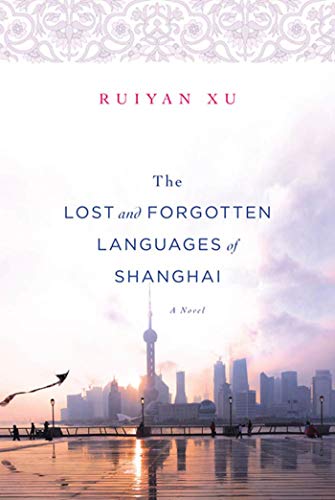
Li Jing, a happily married businessman, is dining at a grand hotel in Shanghai when a gas explosion rips through the building. A shard of glass pierces Jing's forehead, obliterating his ability to speak Chinese. He can form only faltering phrases in the English he spoke as a child in Virginia, leaving him unable to communicate with his wife, Meiling, or their young son. Desperate, the family turns to an American neurologist, Rosalyn Neal, who finds herself as lost as Jing--whom she calls James--in this bewitching city, where the two form a bond that Meiling does not need a translator to understand.
With gorgeous prose and a dazzling sense of place, The Lost and Forgotten Languages of Shanghai introduces a brilliant storyteller, who shows us the power of language in both our public and our private relationships.
Die Inhaltsangabe kann sich auf eine andere Ausgabe dieses Titels beziehen.
Über die Autorin bzw. den Autor
RUIYAN XU, who was born in Shanghai but came to the U.S. at age 10 without speaking a word of English, graduated from Brown University with honors in creative writing. She won the 2004 Hochstadt Award from Hedgebrook and a 2005 Jerome Foundation Fellowship for Emerging Artists; and has been awarded residencies at the Virginia Center for the Creative Arts, Jentel, Ragdale and the Anderson Center. An excerpt of The Lost and Forgotten Languages of Shanghai was published by the Great River Review. Xu lives in Brooklyn.
Auszug. © Genehmigter Nachdruck. Alle Rechte vorbehalten.
The Lost and Forgotten Languages of Shanghai
A NovelBy Ruiyan XuSt. Martin's Griffin
Copyright © 2011 Ruiyan XuAll right reserved.
ISBN: 9780312614157
I
THE SWAN HOTEL
CHAPTER 1
He leaves work early, walks down thin strips of sidewalk, and meanders over the bridge, his hands tightfisted at his sides. It is one of those spring afternoons when the skin begins to pucker in the sun, when the heat of summer hints at the back of the neck, and instead of driving home he forces himself onto slow-moving buses, lets himself be carried along by crowds and their murmurs, gives himself the luxury of time to notice the city around him as he walks under the shadows of high-rises. He looks up: the city is new and strange and the skyline startles him, the way it changes constantly, month by month. His memories are slightly skewed, an older print, already out-of-date; the last time he looked up there was the same city but different—emptier—stretches of sky.
The lobby of the Swan Hotel stretches cool and marbled, and he walks in nodding at the bellhop, the receptionist, the maintenance worker moving a trolley of old bathroom extrudes out the door. The afternoon light saturates the carpet beneath his feet, exposing motes of dust, bleaching navy into a muddy blue. Up the stairs, the glass doors of the restaurant are half shut and streaked with a light layer of grease. Two waitresses shelling lima beans over tea and gossip jump up when he pushes through the door, chirping, “Welcome, Mr. Li!” in his wake.
His father is already sitting in the corner, poring over sketches with his glasses pressed up tight against his face. At the sound of Li Jing’s greeting he looks up and cocks his eyebrows, stretching his thin, angular face even longer.
“So it was you on the phone after all, not an imposter. Tell me”—Professor Li makes a show of looking at his watch—“to what do I owe this unexpected pleasure? How long has it been since you left work voluntarily at five o’clock in the afternoon?”
Li Jing shrugs but does not meet his father’s eyes. “Why not? I felt like a drink.”
Side by side, a subtle resemblance between father and son reveals itself in the same broadness of the shoulders, in the same bulging black eyes. But Professor Li is tall and skinny with a long, horse like face and a pouf of white hair; his son is all compression, thick-bodied, with a broad nose and a locked jaw.
A waiter comes to stand behind their shoulders, angling a long stalk of bamboo with the tip sliced open to pour threads of tea into their cups. The two men tap the table with their index and middle fingers in thanks at the same time and lean back against their chairs, the younger man sighing, closing his eyes.
“Is everything well? You’ve been awfully quiet the last few days.”
Li Jing takes o? his suit jacket and flings it over the back of his chair; his pale blue shirt hugs his body, dark pools of sweat gathering under the armpits.
“It’s just work,” he says. “I got impatient last week and jumped on something without confirming the tip. Ended up taking a pretty big loss—it’s been a rough week. Anyway, things are volatile in the domestic market right now. I really should have stayed with the American stocks. Their market’s booming, but still steady.”
“But American stocks are expensive, and isn’t Wall Street on a bull’s run? It’s going to have to come down at some point.”
Li Jing looks up from the menu in surprise.
“I keep up,” the professor shoots back at him, smug. “I drop by the English department on campus and read the Herald Tribune when I get a chance, and sometimes when I’ve finished everything else, I glance through the financial pages.”
“It’ll be fine. I can handle it.” Li Jing wipes his forehead with his shirtsleeve and gestures with his chin, eager to change the subject. “What’s that? Did you get roped into judging another architectural competition?”
“A memorial this time. They’re going to build it in Hangzhou, by the lake. I wish they’d leave that area alone—it’s already overdeveloped. But if they insist on erecting something, I have to make sure that it won’t be completely hideous.”
“And you say I work too much? You’re the one who’s supposed to be retired.”
“You do work too much.” Professor Li gives Li Jing a slow, assessing look. “You should spend more time with Pang Pang and Meiling. Work isn’t everything, you know?”
“Dad …”
“Before you know it, Pang Pang will be all grown up.” The professor closes his eyes, sighing loudly before shaking his head.
The restaurant manager sets a covered blue-and-white bowl on the table with a flourish. The inside of the bowl hisses, sounding an occasional wet plop against the porcelain. A waitress brings a tin box of long, skinny matches and takes the cover o? the bowl. The tiny curls of shrimp inside stir, their gray, translucent bodies thrashing in the liquid; some of them jump out of the alcohol and dive back in, their torsos shuddering, their antennae swishing in desperation.
The match tip strikes against the box and a small red flame erupts, contracting and expanding in the manager’s hand. He dips his wrist, and the entire bowl of shrimp is now engulfed in crests of fire, orange and red and tinged with blue. The shrimp dance more desperately now, their shells burnt and crackling, their bodies tossed up through the fingers of the flame and tossed back down into the liquid. The smell of burning alcohol perfumes the air, sickly sweet; the shrimp sizzle and gasp, buzzing in the ear. The manager slides the cover back onto the bowl. The hiss of the fire snaps o? into silence. Professor Li and Li Jing pick up their chopsticks, lean forward, but both draw back in surprise when a phone rings under the table.
“Do you mind if I take this? It’s business.” Li Jing flips open his cell phone and slides out of his chair without waiting for a response, already walking away.
“Should we wait for Mr. Li?” The restaurant manager bows at the waist.
“Business, business all the time,” Professor Li mutters under his breath. “I don’t understand it. He’s on that phone nonstop, nights and weekends. He’s working himself too hard.”
“I’m sorry, Professor.”
“Never mind, never mind.”
“The shrimp?”
“Let’s not wait. I’ll get started now.”
Inside the bowl the shrimp glow a lurid pink. Professor Li dips his chopsticks into the dish and draws slow circles in the liquid.
“Are you expecting Ms. Zhou and Pang Pang to join you this evening?”
“Not today.” Professor Li scans the room for a sign of Li Jing before wiping his hands and turning back to the sketches. “But that reminds me, we were supposed to pick up some dinner for them. No hurry, we’ll take it when we go: winter melon with ham, a big container of seaweed soup, that spicy boiled beef, and some bok choy with mushrooms.”
“It’ll be waiting when you’re ready to leave.”
“And where are our other appetizers? Fried oysters? Scallion pancakes?”
The manager grimaces. “Many apologies, Professor. The gas stoves are being a bit temperamental, but we’ll...
THE SWAN HOTEL
CHAPTER 1
He leaves work early, walks down thin strips of sidewalk, and meanders over the bridge, his hands tightfisted at his sides. It is one of those spring afternoons when the skin begins to pucker in the sun, when the heat of summer hints at the back of the neck, and instead of driving home he forces himself onto slow-moving buses, lets himself be carried along by crowds and their murmurs, gives himself the luxury of time to notice the city around him as he walks under the shadows of high-rises. He looks up: the city is new and strange and the skyline startles him, the way it changes constantly, month by month. His memories are slightly skewed, an older print, already out-of-date; the last time he looked up there was the same city but different—emptier—stretches of sky.
The lobby of the Swan Hotel stretches cool and marbled, and he walks in nodding at the bellhop, the receptionist, the maintenance worker moving a trolley of old bathroom extrudes out the door. The afternoon light saturates the carpet beneath his feet, exposing motes of dust, bleaching navy into a muddy blue. Up the stairs, the glass doors of the restaurant are half shut and streaked with a light layer of grease. Two waitresses shelling lima beans over tea and gossip jump up when he pushes through the door, chirping, “Welcome, Mr. Li!” in his wake.
His father is already sitting in the corner, poring over sketches with his glasses pressed up tight against his face. At the sound of Li Jing’s greeting he looks up and cocks his eyebrows, stretching his thin, angular face even longer.
“So it was you on the phone after all, not an imposter. Tell me”—Professor Li makes a show of looking at his watch—“to what do I owe this unexpected pleasure? How long has it been since you left work voluntarily at five o’clock in the afternoon?”
Li Jing shrugs but does not meet his father’s eyes. “Why not? I felt like a drink.”
Side by side, a subtle resemblance between father and son reveals itself in the same broadness of the shoulders, in the same bulging black eyes. But Professor Li is tall and skinny with a long, horse like face and a pouf of white hair; his son is all compression, thick-bodied, with a broad nose and a locked jaw.
A waiter comes to stand behind their shoulders, angling a long stalk of bamboo with the tip sliced open to pour threads of tea into their cups. The two men tap the table with their index and middle fingers in thanks at the same time and lean back against their chairs, the younger man sighing, closing his eyes.
“Is everything well? You’ve been awfully quiet the last few days.”
Li Jing takes o? his suit jacket and flings it over the back of his chair; his pale blue shirt hugs his body, dark pools of sweat gathering under the armpits.
“It’s just work,” he says. “I got impatient last week and jumped on something without confirming the tip. Ended up taking a pretty big loss—it’s been a rough week. Anyway, things are volatile in the domestic market right now. I really should have stayed with the American stocks. Their market’s booming, but still steady.”
“But American stocks are expensive, and isn’t Wall Street on a bull’s run? It’s going to have to come down at some point.”
Li Jing looks up from the menu in surprise.
“I keep up,” the professor shoots back at him, smug. “I drop by the English department on campus and read the Herald Tribune when I get a chance, and sometimes when I’ve finished everything else, I glance through the financial pages.”
“It’ll be fine. I can handle it.” Li Jing wipes his forehead with his shirtsleeve and gestures with his chin, eager to change the subject. “What’s that? Did you get roped into judging another architectural competition?”
“A memorial this time. They’re going to build it in Hangzhou, by the lake. I wish they’d leave that area alone—it’s already overdeveloped. But if they insist on erecting something, I have to make sure that it won’t be completely hideous.”
“And you say I work too much? You’re the one who’s supposed to be retired.”
“You do work too much.” Professor Li gives Li Jing a slow, assessing look. “You should spend more time with Pang Pang and Meiling. Work isn’t everything, you know?”
“Dad …”
“Before you know it, Pang Pang will be all grown up.” The professor closes his eyes, sighing loudly before shaking his head.
The restaurant manager sets a covered blue-and-white bowl on the table with a flourish. The inside of the bowl hisses, sounding an occasional wet plop against the porcelain. A waitress brings a tin box of long, skinny matches and takes the cover o? the bowl. The tiny curls of shrimp inside stir, their gray, translucent bodies thrashing in the liquid; some of them jump out of the alcohol and dive back in, their torsos shuddering, their antennae swishing in desperation.
The match tip strikes against the box and a small red flame erupts, contracting and expanding in the manager’s hand. He dips his wrist, and the entire bowl of shrimp is now engulfed in crests of fire, orange and red and tinged with blue. The shrimp dance more desperately now, their shells burnt and crackling, their bodies tossed up through the fingers of the flame and tossed back down into the liquid. The smell of burning alcohol perfumes the air, sickly sweet; the shrimp sizzle and gasp, buzzing in the ear. The manager slides the cover back onto the bowl. The hiss of the fire snaps o? into silence. Professor Li and Li Jing pick up their chopsticks, lean forward, but both draw back in surprise when a phone rings under the table.
“Do you mind if I take this? It’s business.” Li Jing flips open his cell phone and slides out of his chair without waiting for a response, already walking away.
“Should we wait for Mr. Li?” The restaurant manager bows at the waist.
“Business, business all the time,” Professor Li mutters under his breath. “I don’t understand it. He’s on that phone nonstop, nights and weekends. He’s working himself too hard.”
“I’m sorry, Professor.”
“Never mind, never mind.”
“The shrimp?”
“Let’s not wait. I’ll get started now.”
Inside the bowl the shrimp glow a lurid pink. Professor Li dips his chopsticks into the dish and draws slow circles in the liquid.
“Are you expecting Ms. Zhou and Pang Pang to join you this evening?”
“Not today.” Professor Li scans the room for a sign of Li Jing before wiping his hands and turning back to the sketches. “But that reminds me, we were supposed to pick up some dinner for them. No hurry, we’ll take it when we go: winter melon with ham, a big container of seaweed soup, that spicy boiled beef, and some bok choy with mushrooms.”
“It’ll be waiting when you’re ready to leave.”
“And where are our other appetizers? Fried oysters? Scallion pancakes?”
The manager grimaces. “Many apologies, Professor. The gas stoves are being a bit temperamental, but we’ll...
„Über diesen Titel“ kann sich auf eine andere Ausgabe dieses Titels beziehen.
Suchergebnisse für The Lost and Forgotten Languages of Shanghai

Beispielbild für diese ISBN
The Lost and Forgotten Languages of Shanghai
Anbieter: World of Books (was SecondSale), Montgomery, IL, USA
Verkäuferbewertung 5 von 5 Sternen

Paperback. Zustand: Good. Li Jing, a high-flying financier, has just joined his father for dinner at the grand Swan Hotel in central Shanghai when, without warning, the ground begins to rumble, shifts, then explodes in a roar of hot, unfurling air. As Li Jing drags his unconscious father out of the collapsing building, a single shard of glass whistles through the air and neatly pierces his forehead. In an instant, Li Jing's ability to speak Chinese is obliterated. After weeks in a hospital, all that emerge from Li Jing's mouth are unsteady phrases of the English he spoke as a child growing up in Virginia. His wife, Zhou Meiling, whom he courted with beautiful words, finds herself on the other side of an abyss, unable to communicate with her husband and struggling to put on a brave face for the sake of Li Jing's floundering company and for their son, Pang Pang. Rosalyn Neal, a neurologist who specializes in Li Jing's condition-bilingual aphasia-arrives from the United States to work with Li Jing, to coax language back onto his tongue. Rosalyn is red-haired, open-hearted, recently divorced, and as lost as Li Jing in this bewitching, bewildering city. As doctor and patient sit together, sharing their loneliness along with their faltering words, feelings neither of them anticipated begin to take hold-feelings Meiling does not need a translator to understand. Bestandsnummer des Verkäufers 00105083271
Gebraucht kaufen
EUR 4,95
Versand gratis
Versand innerhalb von USA
Versand innerhalb von USA
Anzahl: 1 verfügbar
Beispielbild für diese ISBN
The Lost and Forgotten Languages of Shanghai
Anbieter: Wonder Book, Frederick, MD, USA
Verkäuferbewertung 5 von 5 Sternen
Zustand: Very Good. . Bestandsnummer des Verkäufers O13H-01213
Gebraucht kaufen
EUR 4,95
Versand gratis
Versand innerhalb von USA
Versand innerhalb von USA
Anzahl: 1 verfügbar
Beispielbild für diese ISBN
The Lost and Forgotten Languages of Shanghai: A Novel
Verlag:
St. Martin's Griffin (edition Reprint), 2011
ISBN 10: 0312614152
ISBN 13: 9780312614157
Gebraucht
Paperback
Anbieter: BooksRun, Philadelphia, PA, USA
Verkäuferbewertung 5 von 5 Sternen
Paperback. Zustand: Very Good. Reprint. It's a well-cared-for item that has seen limited use. The item may show minor signs of wear. All the text is legible, with all pages included. It may have slight markings and/or highlighting. Bestandsnummer des Verkäufers 0312614152-11-1
Gebraucht kaufen
EUR 5,11
Versand gratis
Versand innerhalb von USA
Versand innerhalb von USA
Anzahl: 1 verfügbar
Beispielbild für diese ISBN
The Lost and Forgotten Languages of Shanghai : A Novel
Anbieter: Better World Books, Mishawaka, IN, USA
Verkäuferbewertung 5 von 5 Sternen
Zustand: Good. Former library copy. Pages intact with minimal writing/highlighting. The binding may be loose and creased. Dust jackets/supplements are not included. Includes library markings. Stock photo provided. Product includes identifying sticker. Better World Books: Buy Books. Do Good. Bestandsnummer des Verkäufers 13150690-75
Gebraucht kaufen
EUR 6,57
Versand gratis
Versand innerhalb von USA
Versand innerhalb von USA
Anzahl: 1 verfügbar
Beispielbild für diese ISBN
The Lost and Forgotten Languages of Shanghai : A Novel
Anbieter: Better World Books: West, Reno, NV, USA
Verkäuferbewertung 5 von 5 Sternen
Zustand: Very Good. Former library copy. Pages intact with possible writing/highlighting. Binding strong with minor wear. Dust jackets/supplements may not be included. Includes library markings. Stock photo provided. Product includes identifying sticker. Better World Books: Buy Books. Do Good. Bestandsnummer des Verkäufers GRP95050864
Gebraucht kaufen
EUR 6,57
Versand gratis
Versand innerhalb von USA
Versand innerhalb von USA
Anzahl: 1 verfügbar
Beispielbild für diese ISBN
The Lost and Forgotten Languages of Shanghai : A Novel
Anbieter: Better World Books, Mishawaka, IN, USA
Verkäuferbewertung 5 von 5 Sternen
Zustand: Fine. Used book that is in almost brand-new condition. May contain a remainder mark. Better World Books: Buy Books. Do Good. Bestandsnummer des Verkäufers 52657071-6
Gebraucht kaufen
EUR 6,57
Versand gratis
Versand innerhalb von USA
Versand innerhalb von USA
Anzahl: 1 verfügbar
Beispielbild für diese ISBN
The Lost and Forgotten Languages of Shanghai : A Novel
Anbieter: Better World Books, Mishawaka, IN, USA
Verkäuferbewertung 5 von 5 Sternen
Zustand: Good. Pages intact with minimal writing/highlighting. The binding may be loose and creased. Dust jackets/supplements are not included. Stock photo provided. Product includes identifying sticker. Better World Books: Buy Books. Do Good. Bestandsnummer des Verkäufers 2879291-6
Gebraucht kaufen
EUR 6,57
Versand gratis
Versand innerhalb von USA
Versand innerhalb von USA
Anzahl: 1 verfügbar
Beispielbild für diese ISBN
The Lost and Forgotten Languages of Shanghai
Anbieter: World of Books Inc, Montgomery, IL, USA
Verkäuferbewertung 4 von 5 Sternen

Paperback. Zustand: Good. Li Jing, a high-flying financier, has just joined his father for dinner at the grand Swan Hotel in central Shanghai when, without warning, the ground begins to rumble, shifts, then explodes in a roar of hot, unfurling air. As Li Jing drags his unconscious father out of the collapsing building, a single shard of glass whistles through the air and neatly pierces his forehead. In an instant, Li Jing's ability to speak Chinese is obliterated. After weeks in a hospital, all that emerge from Li Jing's mouth are unsteady phrases of the English he spoke as a child growing up in Virginia. His wife, Zhou Meiling, whom he courted with beautiful words, finds herself on the other side of an abyss, unable to communicate with her husband and struggling to put on a brave face for the sake of Li Jing's floundering company and for their son, Pang Pang. Rosalyn Neal, a neurologist who specializes in Li Jing's condition-bilingual aphasia-arrives from the United States to work with Li Jing, to coax language back onto his tongue. Rosalyn is red-haired, open-hearted, recently divorced, and as lost as Li Jing in this bewitching, bewildering city. As doctor and patient sit together, sharing their loneliness along with their faltering words, feelings neither of them anticipated begin to take hold-feelings Meiling does not need a translator to understand. Bestandsnummer des Verkäufers CIN0312614152G
Gebraucht kaufen
EUR 6,78
Versand gratis
Versand innerhalb von USA
Versand innerhalb von USA
Anzahl: 1 verfügbar
Beispielbild für diese ISBN
The Lost and Forgotten Languages of Shaghai
Verlag:
St. Martin's Griffin, New York, 2011
ISBN 10: 0312614152
ISBN 13: 9780312614157
Gebraucht
Soft Cover
Anbieter: Virtuous Volumes et al., Wilson, WI, USA
Verkäuferbewertung 5 von 5 Sternen
Soft Cover. Zustand: Very Good+. First St. Martin's Griffin Ed. 1st Ptg. Lower spine corner tips lightly rubbed. 340 pages plus Reading Group pages. Bestandsnummer des Verkäufers 020379
Gebraucht kaufen
EUR 5,06
EUR 4,02 Versand
Versand innerhalb von USA
Versand innerhalb von USA
Anzahl: 1 verfügbar
Beispielbild für diese ISBN
The Lost and Forgotten Languages of Shanghai: A Novel
Verlag:
St. Martin's Griffin, 2011
ISBN 10: 0312614152
ISBN 13: 9780312614157
Gebraucht
Trade Paperback
Anbieter: Books End Bookshop, Syracuse, NY, USA
Verkäuferbewertung 4 von 5 Sternen
Trade Paperback. Zustand: Very Good. Zustand des Schutzumschlags: None. Light shelfwear; sticker on rear cover. ; 8.1 X 5.4 X 1.1 inches; 368 pages fmc2%262D. Bestandsnummer des Verkäufers 427898
Gebraucht kaufen
EUR 4,14
EUR 5,36 Versand
Versand innerhalb von USA
Versand innerhalb von USA
Anzahl: 1 verfügbar