
Verwandte Artikel zu Immigration: A Documentary and Reference Guide (Documentary...
Inhaltsangabe
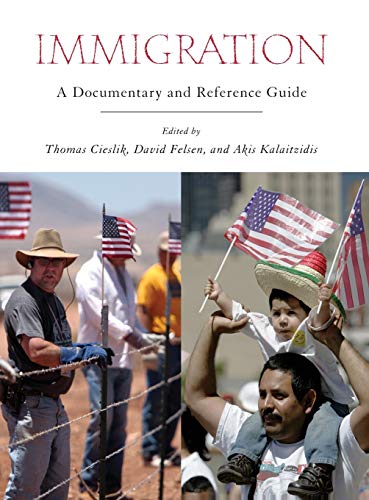
The uncomfortable contemporary realities of immigration, enmeshed as they are in economic, human rights, and national security issues, have once again propelled foreign immigration to the United States toward the top of the list of U.S. domestic policy concerns. Three respected authorities on immigration and international affairs here present a carefully calibrated history of U.S. immigration in primary source documents, tracing the roots of the current debate in the history of our profoundly divided and surprisingly cyclical response to foreign immigration. This book documents this national ambivalence, identifying the major waves of immigration and clarifying the ways in which the existing social and political fabric conditioned both the response to the newcomers and their prospects of eventual integration into American society.
Part I introduces the historical record:
. The early days of the Republic, when most immigrants arrived from northern Europe
. The most important wave of immigration to the United States in the country's history, over 1880-1920, when most immigrants arrived from Asia or from southern and eastern Europe
. Virulent post-World War I anti-immigration sentiment
. The World War II-era absorption of huge numbers of displaced persons fleeing the misery and devastation of Europe
. Transition from a quota system to a preference system
. Heightened debate in the 1980s and 1990s
. The immigration policy repercussions of the terrorist attacks of September 11, 2001
Part II takes up special issues in the contemporary immigration debate, including the security debate and immigration, immigration and the U.S. judiciary, the immigration debate and the economy, and the spectrum of public opinion on immigration revealed during the 2008 presidential election campaign. The authors demonstrate that today's highly polarized immigration reform debate in many respects recapitulates the antagonisms and chaotic policies of the 1980s and 1990s, when Ronald Reagan's Republican administration implemented an amnesty program while the state of California adopted the punitive Proposition 187.
Paramount in today's immigration debate, however, are the homeland security concerns rendered acute by the 2001 bombing of the World Trade Center in New York City. The controversial USA PATRIOT Act of 2001 and the Homeland Security Act of 2002 are among the documents surveyed in relation to the contemporary immigration debate.
Die Inhaltsangabe kann sich auf eine andere Ausgabe dieses Titels beziehen.
Über die Autorin bzw. den Autor
Thomas Cieslik is Lecturer in International Relations at the University of Wuerzburg.
David Felsen is an Assistant Professor in the Division of International Studies at the Marshall Goldsmith School of Management, Alliant International University, San Diego.
Akis Kalaitzidis is an Assistant Professor of Political Science at the University of Central Missouri.
„Über diesen Titel“ kann sich auf eine andere Ausgabe dieses Titels beziehen.
Suchergebnisse für Immigration: A Documentary and Reference Guide (Documentary...

Beispielbild für diese ISBN
Immigration : A Documentary and Reference Guide
Verlag:
Bloomsbury Publishing Plc, 2008
ISBN 10: 031334910X
ISBN 13: 9780313349102
Gebraucht
Hardcover
Anbieter: Better World Books: West, Reno, NV, USA
Verkäuferbewertung 5 von 5 Sternen

Zustand: Very Good. Former library copy. Pages intact with possible writing/highlighting. Binding strong with minor wear. Dust jackets/supplements may not be included. Includes library markings. Stock photo provided. Product includes identifying sticker. Better World Books: Buy Books. Do Good. Bestandsnummer des Verkäufers 8064813-6
Gebraucht kaufen
EUR 96,05
Versand gratis
Versand innerhalb von USA
Versand innerhalb von USA
Anzahl: 1 verfügbar
Beispielbild für diese ISBN
Immigration
Print-on-DemandAnbieter: PBShop.store US, Wood Dale, IL, USA
Verkäuferbewertung 5 von 5 Sternen
HRD. Zustand: New. New Book. Shipped from UK. THIS BOOK IS PRINTED ON DEMAND. Established seller since 2000. Bestandsnummer des Verkäufers L1-9780313349102
Neu kaufen
EUR 114,09
Versand gratis
Versand innerhalb von USA
Versand innerhalb von USA
Anzahl: Mehr als 20 verfügbar
Beispielbild für diese ISBN
Immigration
Print-on-DemandAnbieter: PBShop.store UK, Fairford, GLOS, Vereinigtes Königreich
Verkäuferbewertung 5 von 5 Sternen
HRD. Zustand: New. New Book. Delivered from our UK warehouse in 4 to 14 business days. THIS BOOK IS PRINTED ON DEMAND. Established seller since 2000. Bestandsnummer des Verkäufers L1-9780313349102
Neu kaufen
EUR 105,70
EUR 8,90 Versand
Versand von Vereinigtes Königreich nach USA
Versand von Vereinigtes Königreich nach USA
Anzahl: Mehr als 20 verfügbar
Beispielbild für diese ISBN
Immigration: A Documentary and Reference Guide
Anbieter: Ria Christie Collections, Uxbridge, Vereinigtes Königreich
Verkäuferbewertung 5 von 5 Sternen
Zustand: New. In. Bestandsnummer des Verkäufers ria9780313349102_new
Neu kaufen
EUR 104,11
EUR 13,98 Versand
Versand von Vereinigtes Königreich nach USA
Versand von Vereinigtes Königreich nach USA
Anzahl: Mehr als 20 verfügbar
Beispielbild für diese ISBN
Immigration (Hardcover)
Verlag:
Bloomsbury Publishing Plc, Westport, 2008
ISBN 10: 031334910X
ISBN 13: 9780313349102
Neu
Hardcover
Anbieter: Grand Eagle Retail, Bensenville, IL, USA
Verkäuferbewertung 5 von 5 Sternen
Hardcover. Zustand: new. Hardcover. The uncomfortable contemporary realities of immigration, enmeshed as they are in economic, human rights, and national security issues, have once again propelled foreign immigration to the United States toward the top of the list of U.S. domestic policy concerns. Three respected authorities on immigration and international affairs here present a carefully calibrated history of U.S. immigration in primary source documents, tracing the roots of the current debate in the history of our profoundly divided and surprisingly cyclical response to foreign immigration. This book documents this national ambivalence, identifying the major waves of immigration and clarifying the ways in which the existing social and political fabric conditioned both the response to the newcomers and their prospects of eventual integration into American society.Part I introduces the historical record: The early days of the Republic, when most immigrants arrived from northern Europe The most important wave of immigration to the United States in the country's history, over 1880-1920, when most immigrants arrived from Asia or from southern and eastern Europe Virulent post-World War I anti-immigration sentiment The World War II-era absorption of huge numbers of displaced persons fleeing the misery and devastation of Europe Transition from a quota system to a preference system Heightened debate in the 1980s and 1990s The immigration policy repercussions of the terrorist attacks of September 11, 2001Part II takes up special issues in the contemporary immigration debate, including the security debate and immigration, immigration and the U.S. judiciary, the immigration debate and the economy, and the spectrum of public opinion on immigration revealed during the 2008 presidential election campaign. The authors demonstrate that today's highly polarized immigration reform debate in many respects recapitulates the antagonisms and chaotic policies of the 1980s and 1990s, when Ronald Reagan's Republican administration implemented an amnesty program while the state of California adopted the punitive Proposition 187.Paramount in today's immigration debate, however, are the homeland security concerns rendered acute by the 2001 bombing of the World Trade Center in New York City. The controversial USA PATRIOT Act of 2001 and the Homeland Security Act of 2002 are among the documents surveyed in relation to the contemporary immigration debate. Presents a history of US immigration in primary source documents, tracing the roots of the debate in the history of our profoundly divided and surprisingly cyclical response to foreign immigration. This volume contains documents - each with notes explaining its context, significance, and effects - which identify the major waves of immigration. This item is printed on demand. Shipping may be from multiple locations in the US or from the UK, depending on stock availability. Bestandsnummer des Verkäufers 9780313349102
Foto des Verkäufers
Immigration
Verlag:
Bloomsbury Publishing Plc, US, 2008
ISBN 10: 031334910X
ISBN 13: 9780313349102
Neu
Hardcover
Anbieter: Rarewaves.com USA, London, LONDO, Vereinigtes Königreich
Verkäuferbewertung 5 von 5 Sternen
Hardback. Zustand: New. The uncomfortable contemporary realities of immigration, enmeshed as they are in economic, human rights, and national security issues, have once again propelled foreign immigration to the United States toward the top of the list of U.S. domestic policy concerns. Three respected authorities on immigration and international affairs here present a carefully calibrated history of U.S. immigration in primary source documents, tracing the roots of the current debate in the history of our profoundly divided and surprisingly cyclical response to foreign immigration. This book documents this national ambivalence, identifying the major waves of immigration and clarifying the ways in which the existing social and political fabric conditioned both the response to the newcomers and their prospects of eventual integration into American society.Part I introduces the historical record:. The early days of the Republic, when most immigrants arrived from northern Europe. The most important wave of immigration to the United States in the country's history, over 1880-1920, when most immigrants arrived from Asia or from southern and eastern Europe. Virulent post-World War I anti-immigration sentiment. The World War II-era absorption of huge numbers of displaced persons fleeing the misery and devastation of Europe. Transition from a quota system to a preference system. Heightened debate in the 1980s and 1990s. The immigration policy repercussions of the terrorist attacks of September 11, 2001Part II takes up special issues in the contemporary immigration debate, including the security debate and immigration, immigration and the U.S. judiciary, the immigration debate and the economy, and the spectrum of public opinion on immigration revealed during the 2008 presidential election campaign. The authors demonstrate that today's highly polarized immigration reform debate in many respects recapitulates the antagonisms and chaotic policies of the 1980s and 1990s, when Ronald Reagan's Republican administration implemented an amnesty program while the state of California adopted the punitive Proposition 187.Paramount in today's immigration debate, however, are the homeland security concerns rendered acute by the 2001 bombing of the World Trade Center in New York City. The controversial USA PATRIOT Act of 2001 and the Homeland Security Act of 2002 are among the documents surveyed in relation to the contemporary immigration debate.General introduction to the historical period or thematic topic of each chapterMore than 50 documents, each with notes explaining its context and significanceSidebars featuring historical background notes and intriguing sidelightsFurther Reading lists presenting print and electronic resources recommended for further study25 black-and-white illustrations. Bestandsnummer des Verkäufers LU-9780313349102
Neu kaufen
EUR 140,47
Versand gratis
Versand von Vereinigtes Königreich nach USA
Versand von Vereinigtes Königreich nach USA
Anzahl: Mehr als 20 verfügbar
Beispielbild für diese ISBN
Immigration: A Documentary and Reference Guide
Print-on-DemandAnbieter: THE SAINT BOOKSTORE, Southport, Vereinigtes Königreich
Verkäuferbewertung 5 von 5 Sternen
Hardback. Zustand: New. This item is printed on demand. New copy - Usually dispatched within 5-9 working days. Bestandsnummer des Verkäufers C9780313349102
Neu kaufen
EUR 122,08
EUR 27,18 Versand
Versand von Vereinigtes Königreich nach USA
Versand von Vereinigtes Königreich nach USA
Anzahl: Mehr als 20 verfügbar
Beispielbild für diese ISBN
Immigration (Hardcover)
Verlag:
Bloomsbury Publishing Plc, Westport, 2008
ISBN 10: 031334910X
ISBN 13: 9780313349102
Neu
Hardcover
Anbieter: CitiRetail, Stevenage, Vereinigtes Königreich
Verkäuferbewertung 5 von 5 Sternen
Hardcover. Zustand: new. Hardcover. The uncomfortable contemporary realities of immigration, enmeshed as they are in economic, human rights, and national security issues, have once again propelled foreign immigration to the United States toward the top of the list of U.S. domestic policy concerns. Three respected authorities on immigration and international affairs here present a carefully calibrated history of U.S. immigration in primary source documents, tracing the roots of the current debate in the history of our profoundly divided and surprisingly cyclical response to foreign immigration. This book documents this national ambivalence, identifying the major waves of immigration and clarifying the ways in which the existing social and political fabric conditioned both the response to the newcomers and their prospects of eventual integration into American society.Part I introduces the historical record: The early days of the Republic, when most immigrants arrived from northern Europe The most important wave of immigration to the United States in the country's history, over 1880-1920, when most immigrants arrived from Asia or from southern and eastern Europe Virulent post-World War I anti-immigration sentiment The World War II-era absorption of huge numbers of displaced persons fleeing the misery and devastation of Europe Transition from a quota system to a preference system Heightened debate in the 1980s and 1990s The immigration policy repercussions of the terrorist attacks of September 11, 2001Part II takes up special issues in the contemporary immigration debate, including the security debate and immigration, immigration and the U.S. judiciary, the immigration debate and the economy, and the spectrum of public opinion on immigration revealed during the 2008 presidential election campaign. The authors demonstrate that today's highly polarized immigration reform debate in many respects recapitulates the antagonisms and chaotic policies of the 1980s and 1990s, when Ronald Reagan's Republican administration implemented an amnesty program while the state of California adopted the punitive Proposition 187.Paramount in today's immigration debate, however, are the homeland security concerns rendered acute by the 2001 bombing of the World Trade Center in New York City. The controversial USA PATRIOT Act of 2001 and the Homeland Security Act of 2002 are among the documents surveyed in relation to the contemporary immigration debate. Presents a history of US immigration in primary source documents, tracing the roots of the debate in the history of our profoundly divided and surprisingly cyclical response to foreign immigration. This volume contains documents - each with notes explaining its context, significance, and effects - which identify the major waves of immigration. This item is printed on demand. Shipping may be from our UK warehouse or from our Australian or US warehouses, depending on stock availability. Bestandsnummer des Verkäufers 9780313349102
Neu kaufen
EUR 112,33
EUR 43,16 Versand
Versand von Vereinigtes Königreich nach USA
Versand von Vereinigtes Königreich nach USA
Anzahl: 1 verfügbar
Beispielbild für diese ISBN
Immigration
Anbieter: Books Puddle, New York, NY, USA
Verkäuferbewertung 4 von 5 Sternen

Zustand: New. pp. 376. Bestandsnummer des Verkäufers 26720771
Neu kaufen
EUR 157,56
EUR 3,42 Versand
Versand innerhalb von USA
Versand innerhalb von USA
Anzahl: 1 verfügbar
Foto des Verkäufers
Immigration
Print-on-DemandAnbieter: moluna, Greven, Deutschland
Verkäuferbewertung 5 von 5 Sternen
Gebunden. Zustand: New. Dieser Artikel ist ein Print on Demand Artikel und wird nach Ihrer Bestellung fuer Sie gedruckt. Presents a history of US immigration in primary source documents, tracing the roots of the debate in the history of our profoundly divided and surprisingly cyclical response to foreign immigration. This volume contains documents - each with notes explaining. Bestandsnummer des Verkäufers 446886277
Neu kaufen
EUR 112,70
EUR 48,99 Versand
Versand von Deutschland nach USA
Versand von Deutschland nach USA
Anzahl: Mehr als 20 verfügbar