
Verwandte Artikel zu Stepcoupling: Creating and Sustaining a Strong Marriage...
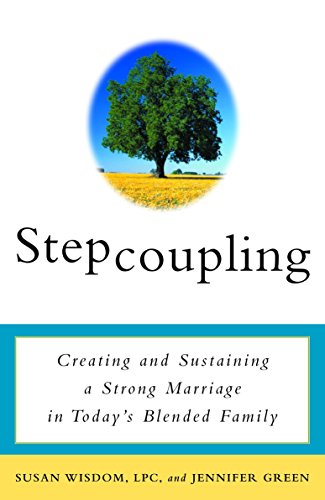
Inhaltsangabe
Love may be sweeter the second time around, but once the bliss of a newfound relationship wears off a little, the reality of being part of a stepfamily sets in. If you are one of the millions of remarried Americans facing the challenge of blending two existing families into one cohesive whole, you are part of a stepcouple—and you know all too well how hard it can be to make your marriage work in sometimes tough terrain.
Different parenting styles, finances, relationships with ex-spouses, legal matters, and even seemingly simple issues such as the kinds of chores assigned to children can chisel away at your union if you don’t always make your marriage a priority.
Stepcoupling offers advice for stepcouples on how to do just that—all the while strengthening their blended family with a healthy marriage. Susan Wisdom and Jennifer Green provide tips and strategies on dealing with the issues remarried couples face, with a wealth of advice from real-life stepcouples, such as:
* Learning to tailor your expectations of your spouse or children and remembering that no family is perfect
* Knowing where your boundaries are, whether involving a hostile ex-spouse or a stepchild who demands too much attention
* Realizing that traits like flexibility, tolerance, forgiveness, and openness are especially essential in a stepfamily situation
* Making “us” time for talking, problem-solving, weekends away, and enjoying your marriage to constantly renew and strengthen your bond as a couple
Let this invaluable remarriage manual help you make your stepcouple the foundation of a strong, happy, and successful stepfamily.
Die Inhaltsangabe kann sich auf eine andere Ausgabe dieses Titels beziehen.
Über die Autorin bzw. den Autor
SUSAN WISDOM, LPC, is a therapist who specializes in counseling divorcing adults and stepfamilies. She lives in Portland, Oregon.
JENNIFER GREEN is a freelance writer who lives in Salem, Oregon.
Both authors have been part of successful stepcouples for the past twenty-five years.
Von der hinteren Coverseite
Love may be sweeter the second time around, but once the bliss of a newfound relationship wears off a little, the reality of being part of a stepfamily sets in. If you are one of the millions of remarried Americans facing the challenge of blending two existing families into one cohesive whole, you are part of a stepcouple--and you know all too well how hard it can be to make your marriage work in sometimes tough terrain.
Different parenting styles, finances, relationships with ex-spouses, legal matters, and even seemingly simple issues such as the kinds of chores assigned to children can chisel away at your union if you don't always make your marriage a priority.
Stepcoupling offers advice for stepcouples on how to do just that--all the while strengthening their blended family with a healthy marriage. Susan Wisdom and Jennifer Green provide tips and strategies on dealing with the issues remarried couples face, with a wealth of advice from real-life stepcouples, such as:
* Learning to tailor your expectations of your spouse or children and remembering that no family is perfect
* Knowing where your boundaries are, whether involving a hostile ex-spouse or a stepchild who demands too much attention
* Realizing that traits like flexibility, tolerance, forgiveness, and openness are especially essential in a stepfamily situation
* Making "us" time for talking, problem-solving, weekends away, and enjoying your marriage to constantly renew and strengthen your bond as a couple
Let this invaluable remarriage manual help you make your stepcouple the foundation of a strong, happy, and successful stepfamily.
Auszug. © Genehmigter Nachdruck. Alle Rechte vorbehalten.
Congratulations! You're Part of a Stepcouple
Annie and Mike sitting in a tree
K-I-S-S-I-N-G
First comes love
Then comes marriage
Then comes Annie with a baby carriage.
A stereotypical first marriage follows the rhyme. A wedding comes after romance, and babies arrive later. Lovers ease into family life, adding children over a period of years.
Unfortunately, for every two weddings celebrated in a given year, a divorce becomes final. And within five years of divorcing, 89 percent of men and 79 percent of women walk down the aisle again.
Second--or third or even fourth--marriages refute the rhyme. First come Mike and Annie pushing baby carriages. Love and a wedding follow, and the happy, harried couple sneaks k-i-s-s-i-n-g in when the kids aren't looking.
The scrambled verse describes stepcoupling. Adults get to know each other and build a healthy relationship while adjusting to, and combining, existing families.
It happens all the time. In the mid-1990s, one in three Americans was a stepparent, a stepchild, a stepsibling, or some other member of a stepfamily. Some predict that by the year 2007, stepfamilies will outnumber nuclear families.
Stepcouples face stresses that first couples don't: children (his, hers, and theirs), financial support of two or more households, custody and legal issues, and biological parents outside the home. Value conflicts and different parenting styles turn up the heat.
Statistics tell the story best. Of every ten couples who remarry, buoyed by love and renewed hope, six divorce yet again. The eventual success of the new family hinges on the quality and strength of the stepcouple's relationship. And the success of the stepcouple itself hinges on the willingness and ability of the partners to grapple with personal and family issues.
Few understand at the outset how complex and demanding stepcoupling is. Mary, remarried seven years, describes the early years of her stepfamily:
In the beginning, Bob and I and the four kids reeled from the effects of divorce. Looking back, the only reason we made it through the early part of our stepfamily was because we were such a strong couple. We had lots of problems. The kids fought all the time. My house was way too small for the six of us, and we couldn't afford a bigger one. A third of Bob's paycheck went to his ex-wife, so we barely made ends meet.
Neither of us wanted another divorce. We had to learn how to talk to each other, love each other, and stay together even when things got tough. Especially when things got tough. -- (Mary, thirty-four, stepcoupling for seven years)
Creating a stepfamily is like building a house. The stepcouple forms the foundation. If the relationship between partners is strong, the house makes it through the storms undamaged. If there are cracks in the foundation, the whole structure is in danger of collapsing.
Each member of a stepcouple must find ways to strengthen that foundation on a daily basis. Each must commit to the importance of "us" by setting aside time: for making love, sharing stories, solving conflict, laughing at private jokes, and dreaming about the future. Weekends away and other special occasions are grand, but they are not substitutes for daily connection. These simple moments will renew and strengthen the love that first drew you together.
A strong stepcouple also cultivates subtler habits that enhance their relationship.
When something significant happens in my life, Tom's the first person I tell. We talk on the phone at least once a day. He's my best friend. -- (Charon, forty-two, stepcoupling for four years)
I never leave the house without letting Nancy know where I'm going and when I'll be back. It's a small thing, but my first wife and I never did it. -- (Scott, thirty-four, stepcoupling for two years)
Larry gets irritated sometimes because I don't say "we" about things that involve the two of us. I try to remember to say "us" more. -- (Jane, forty-one, stepcoupling for one year)
Why would a stepcouple need to be reminded to take care of their relationship? On an individual level, many adults who stepcouple don't know how to nurture relationships. Previous marriages may have atrophied from neglect. Depending on your childhood experiences, you may not even know relationships require and deserve care.
The very stresses that are unique to stepcouples--tight budgets, parenting obligations and conflicts, and ex-spouses--distract you from paying attention to each other and your relationship. However, if you postpone caring for your bond until other issues resolve, it may be beyond repair when you turn your attention to it.
Daily concerns, the ones you'd also face if you were single, still divorced, or in your original marriage, also compete for your time: the demands of children, careers, aging parents, and household responsibilities.
Regardless of stress, distraction, or lack of time, caring for stepcoupling must come first. Nurturing your relationship is the most effective way to ensure the health and longevity of your marriage and stepfamily.
Yet, by definition, stepcoupling never occurs in isolation. Successful stepcouples strike a balance among caring for their individual needs, their relationship, and the requirements of the whole family. Finding this equilibrium is particularly challenging in the early years. Just for now, though, shut the door on everyone else and concentrate on the two of you.
I've been divorced for nine months and just started dating. I know I'll eventually want to remarry when I find the right woman, but I'm not ever going through another divorce. The next one's for keeps. How do I get ready for a new relationship?
Successful stepcoupling begins with a successful divorce, which takes time. Preparing for a new relationship by regrouping and reconnecting with yourself is wise.
Two key emotional tasks occur during and after divorce: grieving the loss of a marriage, and renegotiating a new relationship with your ex-spouse. Until you complete these tasks, you remain emotionally tied to a past mate.
Divorced adults begin clearing a path to repartnering by taking inventory of a past marriage's negative and positive aspects. Certainly it's easy to describe what went wrong in a marriage just after a divorce. Strong feelings--of anger, hurt, rejection, failure--loom large.
These same feelings make it difficult to go through the equally important process of grieving the loss of a marriage's good qualities. By reflecting on the elements of your relationship that worked for you, as well as those that didn't, you free yourself to say good-bye and move on.
Former spouses then renegotiate their relationship, moving from the bond of a married couple to the courtesy, respect, and cooperation of coparents. Boundaries change as a once-tight connection becomes businesslike. Ideally, a shared commitment--to whatever is in the best interest of the children--continues.
Once the emotional tasks of ending a marriage are well under way, work still remains before you're ready for a new relationship. Sound advice comes in a hackneyed phrase: get to know and appreciate yourself. Explore your likes and dislikes, needs, goals, strengths and weaknesses, the patterns of your relationships, and your part in creating them.
Shelly, thirty-two, undertook this process deliberately. She sought therapy because her husband asked for a divorce. During their five years of marriage he'd had a handful of affairs, finally asking for his freedom. Despite resenting Nick's infidelity, she still loved him and grieved deeply over the end of their marriage.
Nick and Shelly completed the legal work for their divorce within a few months; her emotional healing took...
„Über diesen Titel“ kann sich auf eine andere Ausgabe dieses Titels beziehen.
Suchergebnisse für Stepcoupling: Creating and Sustaining a Strong Marriage...

Beispielbild für diese ISBN
Stepcoupling Creating and Sust
Verlag:
Harmony/Rodale/Convergent, 2002
ISBN 10: 0609807412
ISBN 13: 9780609807415
Gebraucht
Softcover
Anbieter: World of Books (was SecondSale), Montgomery, IL, USA
Verkäuferbewertung 5 von 5 Sternen

Zustand: Good. Item in good condition. Textbooks may not include supplemental items i.e. CDs, access codes etc. Bestandsnummer des Verkäufers 00066327742
Gebraucht kaufen
EUR 4,26
Versand gratis
Versand innerhalb von USA
Versand innerhalb von USA
Anzahl: Mehr als 20 verfügbar
Beispielbild für diese ISBN
Stepcoupling Creating and Sust
Verlag:
Harmony/Rodale/Convergent, 2002
ISBN 10: 0609807412
ISBN 13: 9780609807415
Gebraucht
Softcover
Anbieter: World of Books (was SecondSale), Montgomery, IL, USA
Verkäuferbewertung 5 von 5 Sternen
Zustand: Acceptable. Item in acceptable condition! Textbooks may not include supplemental items i.e. CDs, access codes etc. Bestandsnummer des Verkäufers 00108261229
Gebraucht kaufen
EUR 4,26
Versand gratis
Versand innerhalb von USA
Versand innerhalb von USA
Anzahl: 1 verfügbar
Foto des Verkäufers
Stepcoupling: Creating and Sustaining a Strong Marriage in Today's Blended Family
Verlag:
Harmony/Rodale/Convergent, 2002
ISBN 10: 0609807412
ISBN 13: 9780609807415
Gebraucht
Softcover
Anbieter: Zoom Books East, Glendale Heights, IL, USA
Verkäuferbewertung 5 von 5 Sternen
Zustand: good. Book is in good condition and may include underlining highlighting and minimal wear. The book can also include "From the library of" labels. May not contain miscellaneous items toys, dvds, etc. . We offer 100% money back guarantee and 24 7 customer service. Bestandsnummer des Verkäufers ZEV.0609807412.G
Gebraucht kaufen
EUR 4,27
Versand gratis
Versand innerhalb von USA
Versand innerhalb von USA
Anzahl: 3 verfügbar
Foto des Verkäufers
Stepcoupling: Creating and Sustaining a Strong Marriage in Today's Blended Family
Verlag:
Harmony/Rodale/Convergent, 2002
ISBN 10: 0609807412
ISBN 13: 9780609807415
Gebraucht
Softcover
Anbieter: Reliant Bookstore, El Dorado, KS, USA
Verkäuferbewertung 5 von 5 Sternen
Zustand: good. This book is in good condition with very minimal damage. Pages may have minimal notes or highlighting. Cover image on the book may vary from photo. Ships out quickly in a secure plastic mailer. Bestandsnummer des Verkäufers RDV.0609807412.G
Gebraucht kaufen
EUR 4,41
Versand gratis
Versand innerhalb von USA
Versand innerhalb von USA
Anzahl: 1 verfügbar
Beispielbild für diese ISBN
Stepcoupling: Creating and Sustaining a Strong Marriage in Today's Blended Family
Verlag:
Harmony/Rodale/Convergent (edition 1), 2002
ISBN 10: 0609807412
ISBN 13: 9780609807415
Gebraucht
Paperback
Anbieter: BooksRun, Philadelphia, PA, USA
Verkäuferbewertung 5 von 5 Sternen
Paperback. Zustand: Very Good. 1. It's a well-cared-for item that has seen limited use. The item may show minor signs of wear. All the text is legible, with all pages included. It may have slight markings and/or highlighting. Bestandsnummer des Verkäufers 0609807412-11-1
Gebraucht kaufen
EUR 4,47
Versand gratis
Versand innerhalb von USA
Versand innerhalb von USA
Anzahl: 2 verfügbar
Foto des Verkäufers
Stepcoupling: Creating and Sustaining a Strong Marriage in Today's Blended Family
Verlag:
Harmony/Rodale/Convergent, 2002
ISBN 10: 0609807412
ISBN 13: 9780609807415
Gebraucht
Softcover
Anbieter: Zoom Books Company, Lynden, WA, USA
Verkäuferbewertung 5 von 5 Sternen
Zustand: very_good. Book is in very good condition and may include minimal underlining highlighting. The book can also include "From the library of" labels. May not contain miscellaneous items toys, dvds, etc. . We offer 100% money back guarantee and 24 7 customer service. Bestandsnummer des Verkäufers ZBV.0609807412.VG
Gebraucht kaufen
EUR 4,49
Versand gratis
Versand innerhalb von USA
Versand innerhalb von USA
Anzahl: 5 verfügbar
Foto des Verkäufers
Stepcoupling: Creating and Sustaining a Strong Marriage in Today's Blended Family
Verlag:
Harmony/Rodale/Convergent, 2002
ISBN 10: 0609807412
ISBN 13: 9780609807415
Gebraucht
Softcover
Anbieter: The Happy Book Stack, Murfreesboro, TN, USA
Verkäuferbewertung 5 von 5 Sternen
Zustand: good. Book may have little to no writing and or underlining inside, and is in overall good condition. Cover may have some cosmetic wear. Fast shipping! Bestandsnummer des Verkäufers 5ALSUN0005DX_ns
Gebraucht kaufen
EUR 5,16
Versand gratis
Versand innerhalb von USA
Versand innerhalb von USA
Anzahl: 1 verfügbar
Foto des Verkäufers
Stepcoupling: Creating and Sustaining a Strong Marriage in Today's Blended Family
Verlag:
Harmony/Rodale/Convergent, 2002
ISBN 10: 0609807412
ISBN 13: 9780609807415
Gebraucht
Softcover
Anbieter: The Happy Book Stack, Murfreesboro, TN, USA
Verkäuferbewertung 5 von 5 Sternen
Zustand: very_good. The book is in very good condition. Cover may have minor imperfections. Book has little or no highlighting underlining inside. Fast shipping! Bestandsnummer des Verkäufers 5ALSUN0002EO_ns
Gebraucht kaufen
EUR 5,16
Versand gratis
Versand innerhalb von USA
Versand innerhalb von USA
Anzahl: 1 verfügbar
Foto des Verkäufers
Stepcoupling: Creating and Sustaining a Strong Marriage in Today's Blended Family
Verlag:
Harmony/Rodale/Convergent, 2002
ISBN 10: 0609807412
ISBN 13: 9780609807415
Gebraucht
Softcover
Anbieter: Greenworld Books, Arlington, TX, USA
Verkäuferbewertung 5 von 5 Sternen
Zustand: good. Fast Free Shipping â" Good condition. It may show normal signs of use, such as light writing, highlighting, or library markings, but all pages are intact and the book is fully readable. A solid, complete copy that's ready to enjoy. Bestandsnummer des Verkäufers GWV.0609807412.G
Gebraucht kaufen
EUR 5,23
Versand gratis
Versand innerhalb von USA
Versand innerhalb von USA
Anzahl: 4 verfügbar
Foto des Verkäufers
Stepcoupling: Creating and Sustaining a Strong Marriage in Today's Blended Family
Verlag:
Harmony/Rodale/Convergent, 2002
ISBN 10: 0609807412
ISBN 13: 9780609807415
Gebraucht
Softcover
Anbieter: 2nd Life Books, Burlington, NJ, USA
Verkäuferbewertung 5 von 5 Sternen
Zustand: very_good. Used book in very good condition. May have some minor wear. May NOT include discs, or access code or other supplemental material. Ships directly from Amazon and is eligible for Prime or super saver FREE shipping. We ship Monday-Saturday and respond to inquiries within 24 hours. Bestandsnummer des Verkäufers BXM.EJ3J
Gebraucht kaufen
EUR 2,00
EUR 3,49 Versand
Versand innerhalb von USA
Versand innerhalb von USA
Anzahl: 1 verfügbar