
Verwandte Artikel zu Hit Lit: Cracking the Code of the Twentieth Century's...
Inhaltsangabe
DISCOVER THE SECRETS OF WHAT MAKES A MEGA-BESTSELLER IN THIS ENTERTAINING, REVELATORY GUIDE
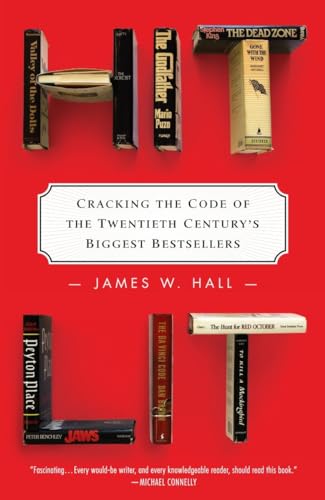
What do Michael Corleone, Jack Ryan, and Scout Finch have in common? Creative writing professor and thriller writer James W. Hall knows. Now, in this entertaining, revelatory book, he reveals how bestsellers work, using twelve twentieth-century blockbusters as case studies—including The Godfather, Gone with the Wind, To Kill a Mockingbird, and Jaws. From tempting glimpses inside secret societies, such as submariners in The Hunt for Red October, and Opus Dei in The Da Vinci Code, to vivid representations of the American Dream and its opposite—the American Nightmare—in novels like The Firm and The Dead Zone, Hall identifies the common features of mega-bestsellers. Including fascinating and little-known facts about some of the most beloved books of the last century, Hit Lit is a must-read for fiction lovers and aspiring writers alike, and makes us think anew about why we love the books we love.
Die Inhaltsangabe kann sich auf eine andere Ausgabe dieses Titels beziehen.
Über die Autorin bzw. den Autor
James W. Hall is the author of seventeen novels, four books of poetry, two short-story collections, and a book of essays. He’s also the winner of the Edgar and Shamus awards.
Auszug. © Genehmigter Nachdruck. Alle Rechte vorbehalten.
chapter 1
FEATURE #1
An Offer You Can't Refuse
The most difficult thing in the world is to make things simple enough, and enticing enough, to cause readers to turn the page.
-HELEN GURLEY BROWN,
FORMER EDITOR OF COSMOPOLITAN
Some tricks of the trade that make our bestsellers unputdownable.
When Coleridge's Ancient Mariner intercepts an impatient guest who's rushing to a wedding, and grabs hold with his skinny hand and glittering eye, and proceeds to mesmerize the man with his haunting sea story, Coleridge has given us a nifty metaphor for the foremost mission of a bestseller writer. These books grip you and refuse to let you loose until they've finished their tale.
For the popular audience, first and foremost a novel must be entertaining. It's a fact so painfully obvious, I shudder to say it. For a novel to rise to the sales level of these twelve blockbusters, it must be a page-turner. A book you can't put down, that you want to read in a gulp. One that keeps you up all night. Gripping. Edge of your seat. Mesmerizing. Fast-paced. Spellbinding. A roller-coaster thrill ride. Unputdownable.
Novelist and historian Les Standiford, a university colleague of mine, is fond of telling roomfuls of aspiring novelists, "The only place people read books they are not interested in is college."
The focus of this chapter is twofold. First I'll share what my students and I came to call the "mechanics of speed." Various ways in which writers initially engage readers, then keep them securely hooked while moving fast through a few hundred pages.
Then we'll look beyond narrative devices at the other key ingredients that helped these twelve novels seize the attention of so many readers.
MOVIE-FRIENDLY
Hollywood filmmakers can teach us a thing or two about speed, for moviemakers have turned storytelling into a science, using certain formulaic devices that consistently accelerate the forward movement of the narrative.
It's true that all twelve of the novels on our reading list were made into major motion pictures, and without a doubt some of their sales success as books was spurred by their filmic version. However, the common belief that a movie of a novel is the main factor in driv-ing a book's commercial success is not supported by the facts. For instance, Jaws sold around a million copies before the film even came out.
In the cases of Valley of the Dolls and The Da Vinci Code, which are two of the biggest bestsellers of all time, so many copies had already been sold by the time the movie hit the theaters that it was unlikely any movie ticket buyers had not already bought the novel. Indeed, they seemed to be drawn to the film because they knew and loved the book.
That said, the effect of a successful film on the novel's long-term sales can be substantial. Gone with the Wind is the top-grossing domestic movie of all time, adjusted for ticket price inflation. Without a doubt, the film's ongoing popularity keeps the sales of the novels perking along. However, it's important to note that Margaret Mitchell's novel sold two million copies within a year of its publication, long before David O. Selznick got his hands on it. In this case, as in many others, the movie obviously helped the book's long-term sales, but the film was only one of many factors contributing to the book's overall success.
The permutations are endless: Bestsellers that flop at the box office (The Lovely Bones). Novels that have marginal sales but become spectacular hits as films (Forrest Gump). Novels that were moderate bestsellers but become movie legends. (Larry McMurtry has done it often.)
But such considerations are ultimately beside the point; at least, they're beside my point-which is that popular novelists have undeniably absorbed many lessons from the craft of filmmakers, and either intentionally or unintentionally, they have made their stories more "movie-friendly." These are the books that Hollywood folks want to make into movies. And moviemakers, in turn, have sharpened their storytelling craft by employing techniques of successful novelists. This cross-pollination of the two storytelling art forms is natural and mutually beneficial.
Steven Spielberg puts it this way: "I like ideas, especially movie ideas, that you can hold in your hand. If a person can tell me the idea in twenty-five words or less, it's going to make a pretty good movie."
Being able to compress a novel's complex plot into a single sentence is both a useful exercise for a novelist struggling to understand the dramatic forces driv-ing his or her own work and a helpful marketing tool in the publishing industry and the film world. There are numerous commercial benefits to being able to frame a story in intriguing shorthand. For one thing, if a novel can't be summarized succinctly and engagingly, then word-of-mouth buzz isn't as easy to generate, and a marketing campaign is less likely to succeed; sales reps simply have a harder time selling the book to their bookstore accounts if they can't give a concise and appealing description. That's three strikes against any story so murky or complex that it can't be simplified to a tasty kernel.
For example:
When a rogue Russian sub commander who's piloting a vessel so technologically advanced that it could upset the balance of world power engages in a cat-and-mouse game with a brilliant CIA analyst who has the entire U.S. Navy at his disposal, World War III is only one small mistake away.
A resourceful young girl's innocent childhood is shattered and her family members threatened when she is thrust into the center of the racial turmoil that erupts in her small southern town.
Just for fun, check out this one-liner for The Wizard of Oz (often credited to Richard Polito, a journalist in California), which makes Dorothy's story sound like a hallucinatory episode from the life of Charlie Manson:
Transported to a surreal landscape, a young girl kills the first woman she meets, then teams up with three complete strangers to do it again.
The literary version of "high concept" is what's known as "the dramatic question," which is another way of capturing in a single catchy phrase the dramatic energy coiled within a novel.
Generally speaking, each genre has its own standard question. In mysteries: Will the detective catch the killer? Romance: Will the woman hook up with the man of her dreams? Horror: How will our hero manage to survive or defeat these terrifying events? Or in coming-of- age-novels: How will the character's adult life be shaped by the events of his or her youth?
Our twelve bestsellers are anything but coy about showing their hands from the beginning. Will the shark come back for a second bite? Will Scarlett ever marry Ashley? What will success do to Mitch and Abby McDeere? Will Anne Welles and her two girl pals find love and happiness in the big city? Will that faithless priest be able to save the little girl from the clutches of Satan?
Good questions, sure. Most readers' interest would be piqued. But are these questions sufficient to attract and compel large numbers of readers? No. More is required.
One way our twelve bestsellers stand apart is that each of them enhanced these dramatic questions by using unique and creative mash- ups of traditional genres. For instance, at its heart The Hunt for Red October is a detective story, and its dramatic question is straightforward. Will the detective, Jack Ryan, locate the rogue Russian sub commander and thwart his mission?
But if that were all this story was about, it's doubtful it would have risen above the other popular novels of its time. Its grip on so many readers springs in part from Clancy's mingling the dramatic structure of the detective story with the familiar tropes of the novel of international intrigue, then...
„Über diesen Titel“ kann sich auf eine andere Ausgabe dieses Titels beziehen.
Suchergebnisse für Hit Lit: Cracking the Code of the Twentieth Century's...

Beispielbild für diese ISBN
Hit Lit: Cracking the Code of the Twentieth Century's Biggest Bestsellers
Anbieter: World of Books (was SecondSale), Montgomery, IL, USA
Verkäuferbewertung 5 von 5 Sternen

Paperback. Zustand: Good. DISCOVER THE SECRETS OF WHAT MAKES A MEGA-BESTSELLER IN THIS ENTERTAINING, REVELATORY GUIDE What do Michael Corleone, Jack Ryan, and Scout Finch have in common? Creative writing professor and thriller writer James W. Hall knows. Now, in this entertaining, revelatory book, he reveals how bestsellers work, using twelve twentieth-century blockbusters as case studies--including The Godfather, Gone with the Wind, To Kill a Mockingbird, and Jaws. From tempting glimpses inside secret societies, such as submariners in The Hunt for Red October, and Opus Dei in The Da Vinci Code, to vivid representations of the American Dream and its opposite--the American Nightmare--in novels like The Firm and The Dead Zone, Hall identifies the common features of mega-bestsellers. Including fascinating and little-known facts about some of the most beloved books of the last century, Hit Lit is a must-read for fiction lovers and aspiring writers alike, and makes us think anew about why we love the books we love. Bestandsnummer des Verkäufers 00100727706
Gebraucht kaufen
EUR 4,88
Versand gratis
Versand innerhalb von USA
Versand innerhalb von USA
Anzahl: 2 verfügbar
Beispielbild für diese ISBN
Hit Lit: Cracking the Code of the Twentieth Century's Biggest Bestsellers
Anbieter: World of Books (was SecondSale), Montgomery, IL, USA
Verkäuferbewertung 5 von 5 Sternen
Paperback. Zustand: Very Good. DISCOVER THE SECRETS OF WHAT MAKES A MEGA-BESTSELLER IN THIS ENTERTAINING, REVELATORY GUIDE What do Michael Corleone, Jack Ryan, and Scout Finch have in common? Creative writing professor and thriller writer James W. Hall knows. Now, in this entertaining, revelatory book, he reveals how bestsellers work, using twelve twentieth-century blockbusters as case studies--including The Godfather, Gone with the Wind, To Kill a Mockingbird, and Jaws. From tempting glimpses inside secret societies, such as submariners in The Hunt for Red October, and Opus Dei in The Da Vinci Code, to vivid representations of the American Dream and its opposite--the American Nightmare--in novels like The Firm and The Dead Zone, Hall identifies the common features of mega-bestsellers. Including fascinating and little-known facts about some of the most beloved books of the last century, Hit Lit is a must-read for fiction lovers and aspiring writers alike, and makes us think anew about why we love the books we love. Bestandsnummer des Verkäufers 00110500713
Gebraucht kaufen
EUR 4,88
Versand gratis
Versand innerhalb von USA
Versand innerhalb von USA
Anzahl: 1 verfügbar
Beispielbild für diese ISBN
Hit Lit: Cracking the Code of the Twentieth Century's Biggest Bestsellers
Verlag:
Random House Publishing Group (edition 51372nd), 2012
ISBN 10: 0812970950
ISBN 13: 9780812970951
Gebraucht
Paperback
Anbieter: BooksRun, Philadelphia, PA, USA
Verkäuferbewertung 5 von 5 Sternen
Paperback. Zustand: Very Good. 51372nd. It's a well-cared-for item that has seen limited use. The item may show minor signs of wear. All the text is legible, with all pages included. It may have slight markings and/or highlighting. Bestandsnummer des Verkäufers 0812970950-8-1
Gebraucht kaufen
EUR 4,88
Versand gratis
Versand innerhalb von USA
Versand innerhalb von USA
Anzahl: 1 verfügbar
Foto des Verkäufers
Hit Lit: Cracking the Code of the Twentieth Century's Biggest Bestsellers
Verlag:
Random House Publishing Group, 2012
ISBN 10: 0812970950
ISBN 13: 9780812970951
Gebraucht
Softcover
Anbieter: Greenworld Books, Arlington, TX, USA
Verkäuferbewertung 5 von 5 Sternen
Zustand: good. Fast Free Shipping â" Good condition. It may show normal signs of use, such as light writing, highlighting, or library markings, but all pages are intact and the book is fully readable. A solid, complete copy that's ready to enjoy. Bestandsnummer des Verkäufers GWV.0812970950.G
Gebraucht kaufen
EUR 5,02
Versand gratis
Versand innerhalb von USA
Versand innerhalb von USA
Anzahl: 1 verfügbar
Beispielbild für diese ISBN
Hit Lit: Cracking the Code of the Twentieth Century's Biggest Bestsellers
Verlag:
Random House Trade Paperbacks, 2012
ISBN 10: 0812970950
ISBN 13: 9780812970951
Gebraucht
paperback
Anbieter: HPB-Ruby, Dallas, TX, USA
Verkäuferbewertung 5 von 5 Sternen
paperback. Zustand: Very Good. Connecting readers with great books since 1972! Used books may not include companion materials, and may have some shelf wear or limited writing. We ship orders daily and Customer Service is our top priority! Bestandsnummer des Verkäufers S_456512458
Gebraucht kaufen
EUR 2,38
EUR 3,34 Versand
Versand innerhalb von USA
Versand innerhalb von USA
Anzahl: 1 verfügbar
Beispielbild für diese ISBN
Hit Lit : Cracking the Code of the Twentieth Century's Biggest Bestsellers
Verlag:
Random House Publishing Group, 2012
ISBN 10: 0812970950
ISBN 13: 9780812970951
Gebraucht
Softcover
Anbieter: Better World Books, Mishawaka, IN, USA
Verkäuferbewertung 5 von 5 Sternen
Zustand: Very Good. Original. Former library copy. Pages intact with possible writing/highlighting. Binding strong with minor wear. Dust jackets/supplements may not be included. Includes library markings. Stock photo provided. Product includes identifying sticker. Better World Books: Buy Books. Do Good. Bestandsnummer des Verkäufers 5200675-6
Gebraucht kaufen
EUR 6,17
Versand gratis
Versand innerhalb von USA
Versand innerhalb von USA
Anzahl: 2 verfügbar
Beispielbild für diese ISBN
Hit Lit : Cracking the Code of the Twentieth Century's Biggest Bestsellers
Verlag:
Random House Publishing Group, 2012
ISBN 10: 0812970950
ISBN 13: 9780812970951
Gebraucht
Softcover
Anbieter: Better World Books, Mishawaka, IN, USA
Verkäuferbewertung 5 von 5 Sternen
Zustand: Very Good. Original. Pages intact with possible writing/highlighting. Binding strong with minor wear. Dust jackets/supplements may not be included. Stock photo provided. Product includes identifying sticker. Better World Books: Buy Books. Do Good. Bestandsnummer des Verkäufers 6111956-6
Gebraucht kaufen
EUR 6,17
Versand gratis
Versand innerhalb von USA
Versand innerhalb von USA
Anzahl: 1 verfügbar
Beispielbild für diese ISBN
Hit Lit : Cracking the Code of the Twentieth Century's Biggest Bestsellers
Verlag:
Random House Publishing Group, 2012
ISBN 10: 0812970950
ISBN 13: 9780812970951
Gebraucht
Softcover
Anbieter: Better World Books, Mishawaka, IN, USA
Verkäuferbewertung 5 von 5 Sternen
Zustand: Good. Original. Former library copy. Pages intact with minimal writing/highlighting. The binding may be loose and creased. Dust jackets/supplements are not included. Includes library markings. Stock photo provided. Product includes identifying sticker. Better World Books: Buy Books. Do Good. Bestandsnummer des Verkäufers 3525664-6
Gebraucht kaufen
EUR 6,17
Versand gratis
Versand innerhalb von USA
Versand innerhalb von USA
Anzahl: 2 verfügbar
Beispielbild für diese ISBN
Hit Lit : Cracking the Code of the Twentieth Century's Biggest Bestsellers
Verlag:
Random House Publishing Group, 2012
ISBN 10: 0812970950
ISBN 13: 9780812970951
Gebraucht
Softcover
Anbieter: Better World Books, Mishawaka, IN, USA
Verkäuferbewertung 5 von 5 Sternen
Zustand: Fine. Original. Used book that is in almost brand-new condition. May contain a remainder mark. Better World Books: Buy Books. Do Good. Bestandsnummer des Verkäufers 67465896-6
Gebraucht kaufen
EUR 6,17
Versand gratis
Versand innerhalb von USA
Versand innerhalb von USA
Anzahl: 1 verfügbar
Beispielbild für diese ISBN
Hit Lit: Cracking the Code of the Twentieth Century's Biggest Bestsellers
Verlag:
Random House Publishing Group, 2012
ISBN 10: 0812970950
ISBN 13: 9780812970951
Gebraucht
Paperback
Anbieter: ThriftBooks-Dallas, Dallas, TX, USA
Verkäuferbewertung 5 von 5 Sternen
Paperback. Zustand: Very Good. No Jacket. Former library book; May have limited writing in cover pages. Pages are unmarked. ~ ThriftBooks: Read More, Spend Less. Bestandsnummer des Verkäufers G0812970950I4N10
Gebraucht kaufen
EUR 6,36
Versand gratis
Versand innerhalb von USA
Versand innerhalb von USA
Anzahl: 1 verfügbar