Inhaltsangabe
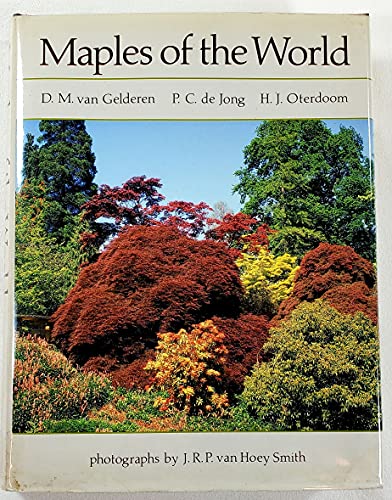
Acer holds a proud place among the largest and most important woody genera. Its significance in both ornamental and economic uses is matched by its taxonomic complexity. This book represents the fruit of almost two decades of work by its distinguished authors. In 1975, three years before Timber Press published his landmark Japanese Maples, the late J. D. Vertrees visited the authors - a nurseryman, a taxonomist/dendrologist, and an avid maple collector - in The Netherlands and suggested that they collaborate to produce a definitive work on the genus. The challenge was accepted, and the three, for a time calling themselves the Club of Acerologists, set to work. An early outline of the book optimistically called for completion and publication within five years! As the initial work began, it became clear that a massive research effort was required; this took far longer than the authors had anticipated. A full nineteen years after its initial conception the much-anticipated book is appearing, the first truly comprehensive treatment of the genus. Among the topics discussed are the history of maple names, maple structure, native habitats and distribution, pests and diseases, propagation, paleobotany and evolution, and reproduction and taxonomy. The heart of the book is the proposed revision of the genus, which combines with the exhaustive descriptions of hybrids and cultivars to create the greatest single source of information on maples in any language. The more than 200 color photographs of significant species and cultivars add greatly to the book's usefulness. Of enormous importance to botanists because of its taxonomic and nomenclatural contributions, as well as for its exhaustivebibliography, Maples of the World is a significant book for horticulturists, landscape architects and designers, growers, and gardeners because of the key role maples play in ornamental plantings.
Die Inhaltsangabe kann sich auf eine andere Ausgabe dieses Titels beziehen.
Von der hinteren Coverseite
Acer holds a proud place among the largest and most important woody genera. Its significance in both ornamental and economic uses is matched by its taxonomic complexity.
This book represents the fruit of almost two decades of work by its distinguished authors. In 1975, three years before Timber Press published his landmark Japanese Maple, the late J.D Vertrees visited the authors—a nurseryman, a taxonomist/dendrologist and an avid maple collector—in the Netherlands and suggested that they collaborate to produce a definitive work on the genus . The challenge was accepted, and the three, for a time calling themselves the Club of Acerologists, set to work. Any early outline of the book optimistically called for completion and publication within five years.
As the initial work began, it became clear that a massive research effort was required; this took far longer than the author had anticipated. A full nineteen years after its initial conception the much-anticipated book is appearing, the first truly comprehensive treatment of the genus. Among the topics discussed are the history of maple names, maple structure, native habitats and distribution, pests and diseases, propagation, and taxonomy. The hear of the book is the proposed revision of the genus, which combines the exhaustive descriptions of hybrids and cultivars to create the greatest single source of information on maples in any language. The more than 200 color photographs of significant species and cultivars add greatly to the book's usefulness.
Of enormous importance to botanists because of its taxonomic and nomenclatural contributions, as well as for its exhaustive bibliography, Maples of the World is a significant book for horticulturists, landscape architects and designers, growers and gardeners because of the key role maples play in ornamental planting. It is a book which Timber Press takes great pride in publishing.
This book represents the fruit of almost two decades of work by its distinguished authors. In 1975, three years before Timber Press published his landmark Japanese Maple, the late J.D Vertrees visited the authors—a nurseryman, a taxonomist/dendrologist and an avid maple collector—in the Netherlands and suggested that they collaborate to produce a definitive work on the genus . The challenge was accepted, and the three, for a time calling themselves the Club of Acerologists, set to work. Any early outline of the book optimistically called for completion and publication within five years.
As the initial work began, it became clear that a massive research effort was required; this took far longer than the author had anticipated. A full nineteen years after its initial conception the much-anticipated book is appearing, the first truly comprehensive treatment of the genus. Among the topics discussed are the history of maple names, maple structure, native habitats and distribution, pests and diseases, propagation, and taxonomy. The hear of the book is the proposed revision of the genus, which combines the exhaustive descriptions of hybrids and cultivars to create the greatest single source of information on maples in any language. The more than 200 color photographs of significant species and cultivars add greatly to the book's usefulness.
Of enormous importance to botanists because of its taxonomic and nomenclatural contributions, as well as for its exhaustive bibliography, Maples of the World is a significant book for horticulturists, landscape architects and designers, growers and gardeners because of the key role maples play in ornamental planting. It is a book which Timber Press takes great pride in publishing.
Auszug. © Genehmigter Nachdruck. Alle Rechte vorbehalten.
Useful Maple Products
Maple Syrup
A famous maple product is maple syrup, which European immigrants to North America learned to make from Native Americans. When taken from the tree, maple sap is crystal clear and does not taste sweet; its sugar content usually is only about 1 percent but can reach 3 percent for "very good trees." Not only did the early North American settlers learn how to collect maple sap and produce maple sugar, but more importantly they learned that Acer saccharum provided a substitute for very expensive cane sugar. Breaking out of dormancy, this species produces sap between mid-December and bud expansion in the spring. The sap flow is temperature dependent, occurring only following a rise in ambient temperature during the day and a fall in temperature at night. The rate of flow reduces as temperature decreases, but then increases again the next day with temperature increase. Sap is collected through a hollow tap driven into the tree trunk. When boiled down, 8 gallons (30 liters) of sap produce one gallon (4 liters) of syrup.
Acer saccharum ssp. saccharum is the major taxon of importance in the maple syrup industry, though A. saccharum ssp. nigrum, A. rubrum, and even A. saccharinum have spring sap flows rich in sugars. The latter three species are less frequently tapped because of their lower sugar concentrations. Most maple syrup is now produced in Quebec, Canada, and in a number of U.S. states, including New Hampshire, Vermont, New York, West Virginia, and Ohio. Chinese correspondents report that Acer species in China yield a sweet sap also (T. R. Dudley, pers. com.). Free-standing trees are much more productive than forest trees. While the mechanism of sap rising is poorly understood, it appears that a water pumping mechanism in the roots and xylem, which subsides when the tree comes into leaf, is the driving agent. There is a substantial literature on the growing and tapping of maple trees, and the reduction of the collected sap into sugar, to which the reader can refer for complete details of this process.
Landscaping with Maples
Maples for Warm or Cold Sites
The only truly tropical maple is Acer laurinum from Indonesia, Malaysia, and the Philippines. Species that grow in nearly tropical or subtropical localities include A. buergerianum ssp. ningpoense ,
A. calcaratum, A. campbellii ssp. sinense , A. caudatifolium , A. coriaceifolium , A. elegantulum , A. fabri , A. oblongum , A. oliverianum ssp. formosanum , A. paxii , A. sikkimense ssp. sikkimense , and A. tonkinense. A list of this length will surely surprise those who think that maples are native only to cold- or warm-temperate regions. Somewhat less tender but not entirely hardy are
Acer campbellii ssp. flabellatumcer , A. pentaphyllum , and A. rubescens. Any of these do well in USDA plant hardiness zone VII or above. In colder sites, Acer caudatum ssp. ukurunduense , A. ginnala , A. negundo , and A. spicatum tolerate the temperatures of zone II; A. pensylvanicum , A. platanoides , A. rubrum , A. saccharinum , and A. saccharum do well in zone III; and A. campestre, A. tataricum , and A. tegmentosum can be used in zone IV. Acer mandshuricum can also be used in zone IV, but it is a special case. It is very hardy, thriving in Finland, for example, but cannot stand the treacherous spring frosts that occur after leafing out. It seems to think that winter is over after the easing of the extreme cold. It also requires hot summers to ripen off the wood and cannot tolerate long warm autumns that extend into December. It would probably do well in the continental climate of Canada and the United States.
Maples for Wet or Very Dry Sites
Because maples are very accommodating plants, they cope very well with dryness or wetness throughout a large range.
Acer rubrum tolerates wet sites very well, and A. pycnanthum in Japan grows in very wet conditions. Many species have riverbanks, valleys, or rich bottomlands as their natural habitats. Acer saccharum
ssp. floridanum grows in wet woods, and A. rubrum var. drummondii from the southern United States grows in deep swamps.
Acer circinatum is occasionally seen in dry sites. The Mediterranean species, such as A. hyrcanum , A. monspessulanum , A. obtusifolium , A. opalus , A. sempervirens , and A. syriacum (syn.A. obtusifolium) survive well in hot and dry summers, although they benefit from mild and wet winters. < Right Image: Acer sempervirens. Grafted young plant, collected in the wild on Crete.>
Maple Syrup
A famous maple product is maple syrup, which European immigrants to North America learned to make from Native Americans. When taken from the tree, maple sap is crystal clear and does not taste sweet; its sugar content usually is only about 1 percent but can reach 3 percent for "very good trees." Not only did the early North American settlers learn how to collect maple sap and produce maple sugar, but more importantly they learned that Acer saccharum provided a substitute for very expensive cane sugar. Breaking out of dormancy, this species produces sap between mid-December and bud expansion in the spring. The sap flow is temperature dependent, occurring only following a rise in ambient temperature during the day and a fall in temperature at night. The rate of flow reduces as temperature decreases, but then increases again the next day with temperature increase. Sap is collected through a hollow tap driven into the tree trunk. When boiled down, 8 gallons (30 liters) of sap produce one gallon (4 liters) of syrup.
Acer saccharum ssp. saccharum is the major taxon of importance in the maple syrup industry, though A. saccharum ssp. nigrum, A. rubrum, and even A. saccharinum have spring sap flows rich in sugars. The latter three species are less frequently tapped because of their lower sugar concentrations. Most maple syrup is now produced in Quebec, Canada, and in a number of U.S. states, including New Hampshire, Vermont, New York, West Virginia, and Ohio. Chinese correspondents report that Acer species in China yield a sweet sap also (T. R. Dudley, pers. com.). Free-standing trees are much more productive than forest trees. While the mechanism of sap rising is poorly understood, it appears that a water pumping mechanism in the roots and xylem, which subsides when the tree comes into leaf, is the driving agent. There is a substantial literature on the growing and tapping of maple trees, and the reduction of the collected sap into sugar, to which the reader can refer for complete details of this process.
Landscaping with Maples
Maples for Warm or Cold Sites
The only truly tropical maple is Acer laurinum from Indonesia, Malaysia, and the Philippines. Species that grow in nearly tropical or subtropical localities include A. buergerianum ssp. ningpoense ,
A. calcaratum, A. campbellii ssp. sinense , A. caudatifolium , A. coriaceifolium , A. elegantulum , A. fabri , A. oblongum , A. oliverianum ssp. formosanum , A. paxii , A. sikkimense ssp. sikkimense , and A. tonkinense. A list of this length will surely surprise those who think that maples are native only to cold- or warm-temperate regions. Somewhat less tender but not entirely hardy are
Acer campbellii ssp. flabellatumcer , A. pentaphyllum , and A. rubescens. Any of these do well in USDA plant hardiness zone VII or above. In colder sites, Acer caudatum ssp. ukurunduense , A. ginnala , A. negundo , and A. spicatum tolerate the temperatures of zone II; A. pensylvanicum , A. platanoides , A. rubrum , A. saccharinum , and A. saccharum do well in zone III; and A. campestre, A. tataricum , and A. tegmentosum can be used in zone IV. Acer mandshuricum can also be used in zone IV, but it is a special case. It is very hardy, thriving in Finland, for example, but cannot stand the treacherous spring frosts that occur after leafing out. It seems to think that winter is over after the easing of the extreme cold. It also requires hot summers to ripen off the wood and cannot tolerate long warm autumns that extend into December. It would probably do well in the continental climate of Canada and the United States.
Maples for Wet or Very Dry Sites
Because maples are very accommodating plants, they cope very well with dryness or wetness throughout a large range.
Acer rubrum tolerates wet sites very well, and A. pycnanthum in Japan grows in very wet conditions. Many species have riverbanks, valleys, or rich bottomlands as their natural habitats. Acer saccharum
ssp. floridanum grows in wet woods, and A. rubrum var. drummondii from the southern United States grows in deep swamps.
Acer circinatum is occasionally seen in dry sites. The Mediterranean species, such as A. hyrcanum , A. monspessulanum , A. obtusifolium , A. opalus , A. sempervirens , and A. syriacum (syn.A. obtusifolium) survive well in hot and dry summers, although they benefit from mild and wet winters. < Right Image: Acer sempervirens. Grafted young plant, collected in the wild on Crete.>
„Über diesen Titel“ kann sich auf eine andere Ausgabe dieses Titels beziehen.
Suchergebnisse für Maples of the World

Beispielbild für diese ISBN
Maples of the World
Verlag:
Timber Press (edition First Edition), 1994
ISBN 10: 0881920002
ISBN 13: 9780881920000
Gebraucht
Hardcover
Erstausgabe
Anbieter: BooksRun, Philadelphia, PA, USA
Verkäuferbewertung 5 von 5 Sternen

Hardcover. Zustand: Good. First Edition. With dust jacket. It's a preowned item in good condition and includes all the pages. It may have some general signs of wear and tear, such as markings, highlighting, slight damage to the cover, minimal wear to the binding, etc., but they will not affect the overall reading experience. Bestandsnummer des Verkäufers 0881920002-11-1-29
Beispielbild für diese ISBN
Maples of the World
Anbieter: ThriftBooks-Dallas, Dallas, TX, USA
Verkäuferbewertung 5 von 5 Sternen
Hardcover. Zustand: Very Good. No Jacket. May have limited writing in cover pages. Pages are unmarked. ~ ThriftBooks: Read More, Spend Less. Bestandsnummer des Verkäufers G0881920002I4N00
Beispielbild für diese ISBN
Maples of the World
Anbieter: ThriftBooks-Atlanta, AUSTELL, GA, USA
Verkäuferbewertung 5 von 5 Sternen
Hardcover. Zustand: Very Good. No Jacket. May have limited writing in cover pages. Pages are unmarked. ~ ThriftBooks: Read More, Spend Less. Bestandsnummer des Verkäufers G0881920002I4N00
Beispielbild für diese ISBN
Maples of the World
Anbieter: ThriftBooks-Atlanta, AUSTELL, GA, USA
Verkäuferbewertung 5 von 5 Sternen
Hardcover. Zustand: Good. No Jacket. Pages can have notes/highlighting. Spine may show signs of wear. ~ ThriftBooks: Read More, Spend Less. Bestandsnummer des Verkäufers G0881920002I3N00
Beispielbild für diese ISBN
Maples of the World
Anbieter: ThriftBooks-Dallas, Dallas, TX, USA
Verkäuferbewertung 5 von 5 Sternen
Hardcover. Zustand: Good. No Jacket. Missing dust jacket; Pages can have notes/highlighting. Spine may show signs of wear. ~ ThriftBooks: Read More, Spend Less. Bestandsnummer des Verkäufers G0881920002I3N01
Beispielbild für diese ISBN
MAPLES OF THE WORLD
Anbieter: Artis Books & Antiques, Calumet, MI, USA
Verkäuferbewertung 5 von 5 Sternen
Hardcover. Zustand: Fine. 478pp. Biblio. Color photos. Drawings. Index. NATURAL HISTORY. Bestandsnummer des Verkäufers 095680
Beispielbild für diese ISBN
Maples of the World
Verlag:
Timber Press, Incorporated March 2005, 2005
ISBN 10: 0881920002
ISBN 13: 9780881920000
Gebraucht
Hardcover
Anbieter: Eagle Eye Books, Decatur, GA, USA
Verkäuferbewertung 4 von 5 Sternen

Hardcover. Zustand: Used. Bestandsnummer des Verkäufers 738573
Foto des Verkäufers
Maples of the World
Verlag:
Timber Press, Portland, OR, 1994
ISBN 10: 0881920002
ISBN 13: 9780881920000
Gebraucht
Hardcover
Erstausgabe
Anbieter: Paradise Found Books, Chico, CA, USA
Verkäuferbewertung 5 von 5 Sternen
Hardcover. Zustand: VG+. Zustand des Schutzumschlags: Very Good. 1st Edition. Jacket has very light edge wear, clean copy. Bestandsnummer des Verkäufers 012266
Beispielbild für diese ISBN
Maples of the World
Verlag:
Timber Press, United States, Portland, OR, 1994
ISBN 10: 0881920002
ISBN 13: 9780881920000
Gebraucht
Paperback
Anbieter: WorldofBooks, Goring-By-Sea, WS, Vereinigtes Königreich
Verkäuferbewertung 5 von 5 Sternen
Paperback. Zustand: Very Good. The book has been read, but is in excellent condition. Pages are intact and not marred by notes or highlighting. The spine remains undamaged. Bestandsnummer des Verkäufers GOR002098403
Gebraucht kaufen
EUR 27,05
Versand:
EUR 6,41
Von Vereinigtes Königreich nach USA
Anzahl: 1 verfügbar
Beispielbild für diese ISBN
Maples of the World
Anbieter: AwesomeBooks, Wallingford, Vereinigtes Königreich
Verkäuferbewertung 5 von 5 Sternen
hardcover. Zustand: Very Good. Maples of the World This book is in very good condition and will be shipped within 24 hours of ordering. The cover may have some limited signs of wear but the pages are clean, intact and the spine remains undamaged. This book has clearly been well maintained and looked after thus far. Money back guarantee if you are not satisfied. See all our books here, order more than 1 book and get discounted shipping. Bestandsnummer des Verkäufers 7719-9780881920000
Gebraucht kaufen
EUR 31,37
Versand:
EUR 5,71
Von Vereinigtes Königreich nach USA
Anzahl: 2 verfügbar