
Verwandte Artikel zu The Care and Keeping of Sensitive Skin: A Practical...
Inhaltsangabe
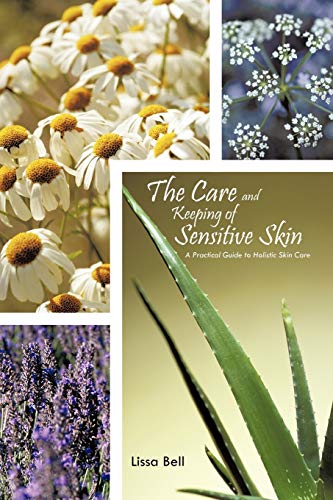
At the age of sixteen, Lissa Bell found she had Vitiligo, which is hereditary in her family. At that time, not much was known about Vitiligo, and therefore, nothing could be done for it other than bleaching the pigmented skin in order to create a more uniform appearance. Over time, she researched and read the limited information she could find about the condition. Eventually, she found that she could not use products that contained synthetics without suffering an adverse reaction. While in her early thirties, the youngest of her two children developed eczema. She wanted, as a mother, to make it all better. So she began researching herbal skin care. She developed an herbal soap for her son. Amazed with the results, Bell began experimenting with herbal products for her own skin. In 2009, she started Lissa's Naturals, a line of skin care products for sensitive skin.
Die Inhaltsangabe kann sich auf eine andere Ausgabe dieses Titels beziehen.
Auszug. © Genehmigter Nachdruck. Alle Rechte vorbehalten.
The Care and Keeping of Sensitive Skin
A Practical Guide to Holistic Skin CareBy Lissa BelliUniverse, Inc.
Copyright © 2012 Lissa BellAll right reserved.
ISBN: 978-1-4620-4399-6
Contents
Preface...........................................................................ixIntroduction......................................................................xiChapter 1 The Best Herbs for the Treatment of Sensitive Skin.....................1Chapter 2 Skin Care Pantry Essentials............................................16Chapter 3 Infusions, Decoctions, Tinctures, and Emulsions........................26Chapter 4 Skin Food..............................................................32Chapter 5 Face Care Formulary....................................................38Chapter 6 Body Alchemy...........................................................60Chapter 7 Hands-on Skin Care.....................................................75Chapter 8 Would You Put That in Your Mouth?......................................80Bibliography......................................................................87Index.............................................................................89
Chapter One
The Best Herbs for the Treatment of Sensitive Skin
Aloe vera (Aloe barbadensis) First aid plant, medicine plant
Gel or juice
Uses: medical burns, sunburn, cuts, wounds, insect stings, bruises, acne and blemishes, scars, wrinkles, poison ivy, warts, welts, skin ulcers, eczema, shingles, and dandruff (straight from the plant).
Actions: astringent, emollient, anti-fungal, antibacterial, antiseptic, antiviral, anti—inflammatory, immune support, wound and tissue healer, and demulcent.
Constituents: glucomannan, polysaccharide, steroids, organic acids, enzymes, antibiotic, amino acid, saponin, and minerals. It contains phytochemicals: acemannan, beta carotene, beta-sitosterol, campesterol, cinnamic acid, coumarin, lignins, p-coumaric acid, and saponins. It contains nutrients: amino acids, calcium, folate, iron, magnesium, phosphorus, potassium, zinc, vitamins A, B1, B2, B3, C, and E.
Note: It is possible to develop intolerance if aloe is used in excess.
Caution: DO NOT take internally during pregnancy.
Aloe vera gel (a member of the lily family) has been used for centuries as a folk cure for burns, cuts, and skin problems. It is believed that Cleopatra may have used it as a cleanser.
It contains more than twenty amino acids and carbohydrates and is common in first aid creams, shampoos, and other natural body products.
It is known to restore tissue close to the center of a bad burn by inhibiting the release of thromboxane, which is thought to be directly responsible for cell death and permanent scarring. It speeds healing and stimulates new tissue growth. It can also help to heal cold sores and diaper rash.
There are more than two hundred different species of aloe vera in dry regions around the world. It is known to speed the healing of damaged tissue, counter irritation and inflammation, and deliver a slight numbing effect. It also fights infection.
Taken internally, the juice is known to help lower cholesterol, reduce inflammation from radiation, increase blood vessel generation in lower extremities in people with poor circulation, and soothe stomach irritation. It can also be helpful against infection, varicose veins, skin cancer, and arthritis. It can be used as a laxative and is helpful in the treatment of AIDS as well as skin and digestive disorders.
Combined with whipped egg whites, it makes a good firming mask. As an astringent, it has soothing properties. It contains a polysaccharide that helps skin retain moisture.
Because aloe vera gel penetrates the skin very quickly and reduces inflammation, it is used to treat a wide range of sports injuries, such as sprains, strains, and turf burns. To increase cell-healing time, use aloe gel in the initial ice compress. Soothe more into the injury site two to three times per day.
It also relieves irritation from insect bites and helps restore the skin's natural pH.
Aloe vera is rich in polysaccharides, galactose, plant steroids, enzymes, amino acids, minerals, and natural antibiotics.
Because of its antibacterial and antifungal properties, aloe discourages mold and bacterial contamination.
For athlete's foot, apply aloe and allow gel to dry. Apply powder and put on socks. Tea tree oil can be added to the gel or powder.
For Crohn's disease, drink one-half cup of juice three times a day to help heal the digestive tract.
Allergic reactions are rare. Perform a patch test behind the ear or on the inside of the forearm.
If using a commercial aloe product, be sure it is free of mineral oil, paraffin, alcohol, and coloring.
For a healing and antibacterial gel, add two tablespoons of dried calendula, chamomile, or comfrey to one-half cup of aloe gel. Pour the mixture into a glass jar and steep on a sunny windowsill for two to three weeks. Shake daily. Strain and bottle.
For sunburn relief, mix a drop or two of lavender essential oil to aloe vera juice. Pour into a small spray bottle. Spray on skin as needed.
Apply ice or cold aloe vera gel compress directly to hives to relieve itching, shrink wheals, and block further release of histamines into your skin.
Chilled aloe vera gel can also be applied to soothe razor burn.
For minor burns, run affected area under cold water for ten minutes, and then apply aloe vera gel. Combined with comfrey, aloe will help heal fractures and sports injuries.
Calendula Pot Marigold, English Marigold
Flowers or petals
Actions: antibacterial, anti-inflammatory, antimicrobial and antifungal. It is used as a blood cleanser and wound healer.
Constituents: contains salicylic acid and is rich in beta-carotene, stearin, triterpenoids, flavonoids, and coumarin as well as microelements.
This herb can be applied topically or taken internally for its antiseptic, cleansing, and detoxifying properties.
Applied topically as a lotion, cream, or salve, calendula speeds healing and counters infection.
It is useful for minor burns, sunburn, insect bites and stings, sore and pustular spots, mastitis, cuts and abrasions, inflamed rashes, hemorrhoids and varicose veins, and helps to heal inflammatory problems throughout the digestive tract, including peptic ulcers and gastritis.
Calendula is a healing herb for rough, damaged, and problem skin.
A compress or poultice made of the flowers is excellent first aid for burns, scalds, stings, impetigo, varicose veins, and chilblains. A strong infusion can be used and applied cold to treat conjunctivitis.
Because of its antifungal properties, it can be used to treat thrush and help in the recovery from gastrointestinal infection. It is an excellent remedy for inflamed or ulcerated conditions. It can be used externally as a poultice, or used internally to treat gastritis and gastric or duodenal ulcers.
The sap from the stems can be used to remove warts, corns, and calluses.
It is also the most effective herb for sensitive skin. Because of its healing and soothing properties, it works well in baby oil, baby lotion, and baby powder as well as in creams and lotions.
Use as a salve or ointment for cuts, infected sores, grazes, and wounds. It is excellent for diaper rash.
Calendula-infused gel will calm sunburn. Leave on for twenty minutes and blot off. Use every day for one week.
...
„Über diesen Titel“ kann sich auf eine andere Ausgabe dieses Titels beziehen.
Weitere beliebte Ausgaben desselben Titels

Suchergebnisse für The Care and Keeping of Sensitive Skin: A Practical...

Foto des Verkäufers
Care and Keeping of Sensitive Skin : A Practical Guide to Holistic Skin Care
Anbieter: GreatBookPrices, Columbia, MD, USA
Verkäuferbewertung 5 von 5 Sternen

Zustand: New. Bestandsnummer des Verkäufers 16398548-n
Neu kaufen
EUR 9,79
EUR 2,28 Versand
Versand innerhalb von USA
Versand innerhalb von USA
Anzahl: Mehr als 20 verfügbar
Foto des Verkäufers
The Care and Keeping of Sensitive Skin: A Practical Guide to Holistic Skin Care (Paperback or Softback)
Verlag:
iUniverse 3/13/2012, 2012
ISBN 10: 1462043992
ISBN 13: 9781462043996
Neu
Paperback or Softback
Anbieter: BargainBookStores, Grand Rapids, MI, USA
Verkäuferbewertung 5 von 5 Sternen
Paperback or Softback. Zustand: New. The Care and Keeping of Sensitive Skin: A Practical Guide to Holistic Skin Care. Book. Bestandsnummer des Verkäufers BBS-9781462043996
Foto des Verkäufers
Care and Keeping of Sensitive Skin : A Practical Guide to Holistic Skin Care
Anbieter: GreatBookPrices, Columbia, MD, USA
Verkäuferbewertung 5 von 5 Sternen
Zustand: As New. Unread book in perfect condition. Bestandsnummer des Verkäufers 16398548
Gebraucht kaufen
EUR 10,21
EUR 2,28 Versand
Versand innerhalb von USA
Versand innerhalb von USA
Anzahl: Mehr als 20 verfügbar
Beispielbild für diese ISBN
The Care and Keeping of Sensitive Skin: A Practical Guide to Holistic Skin Care
Anbieter: California Books, Miami, FL, USA
Verkäuferbewertung 4 von 5 Sternen

Zustand: New. Bestandsnummer des Verkäufers I-9781462043996
Neu kaufen
EUR 14,25
Versand gratis
Versand innerhalb von USA
Versand innerhalb von USA
Anzahl: Mehr als 20 verfügbar
Beispielbild für diese ISBN
The Care and Keeping of Sensitive Skin A Practical Guide to Holistic Skin Care
Print-on-DemandAnbieter: PBShop.store US, Wood Dale, IL, USA
Verkäuferbewertung 5 von 5 Sternen
PAP. Zustand: New. New Book. Shipped from UK. THIS BOOK IS PRINTED ON DEMAND. Established seller since 2000. Bestandsnummer des Verkäufers L0-9781462043996
Neu kaufen
EUR 17,50
Versand gratis
Versand innerhalb von USA
Versand innerhalb von USA
Anzahl: Mehr als 20 verfügbar
Beispielbild für diese ISBN
The Care and Keeping of Sensitive Skin
Print-on-DemandAnbieter: Majestic Books, Hounslow, Vereinigtes Königreich
Verkäuferbewertung 4 von 5 Sternen
Zustand: New. Print on Demand pp. 116 2:B&W 6 x 9 in or 229 x 152 mm Perfect Bound on Creme w/Gloss Lam. Bestandsnummer des Verkäufers 95000551
Neu kaufen
EUR 13,54
EUR 7,60 Versand
Versand von Vereinigtes Königreich nach USA
Versand von Vereinigtes Königreich nach USA
Anzahl: 4 verfügbar
Beispielbild für diese ISBN
The Care and Keeping of Sensitive Skin A Practical Guide to Holistic Skin Care
Print-on-DemandAnbieter: PBShop.store UK, Fairford, GLOS, Vereinigtes Königreich
Verkäuferbewertung 5 von 5 Sternen
PAP. Zustand: New. New Book. Delivered from our UK warehouse in 4 to 14 business days. THIS BOOK IS PRINTED ON DEMAND. Established seller since 2000. Bestandsnummer des Verkäufers L0-9781462043996
Neu kaufen
EUR 16,53
EUR 4,87 Versand
Versand von Vereinigtes Königreich nach USA
Versand von Vereinigtes Königreich nach USA
Anzahl: Mehr als 20 verfügbar
Beispielbild für diese ISBN
The Care and Keeping of Sensitive Skin
Print-on-DemandAnbieter: Books Puddle, New York, NY, USA
Verkäuferbewertung 4 von 5 Sternen
Zustand: New. Print on Demand pp. 116. Bestandsnummer des Verkäufers 2698445368
Neu kaufen
EUR 19,11
EUR 3,45 Versand
Versand innerhalb von USA
Versand innerhalb von USA
Anzahl: 4 verfügbar
Beispielbild für diese ISBN
The Care and Keeping of Sensitive Skin
Print-on-DemandAnbieter: Biblios, Frankfurt am main, HESSE, Deutschland
Verkäuferbewertung 4 von 5 Sternen
Zustand: New. PRINT ON DEMAND pp. 116. Bestandsnummer des Verkäufers 1898445362
Neu kaufen
EUR 14,27
EUR 9,95 Versand
Versand von Deutschland nach USA
Versand von Deutschland nach USA
Anzahl: 4 verfügbar
Beispielbild für diese ISBN
The Care and Keeping of Sensitive Skin: A Practical Guide to Holistic Skin Care
Anbieter: Ria Christie Collections, Uxbridge, Vereinigtes Königreich
Verkäuferbewertung 5 von 5 Sternen
Zustand: New. In. Bestandsnummer des Verkäufers ria9781462043996_new
Neu kaufen
EUR 14,97
EUR 14,01 Versand
Versand von Vereinigtes Königreich nach USA
Versand von Vereinigtes Königreich nach USA
Anzahl: Mehr als 20 verfügbar