
Verwandte Artikel zu The Memory Factory: The Forgotten Women Artists of...
The Memory Factory: The Forgotten Women Artists of Vienna 1900 (Central European Studies) - Softcover
Buch 17 von 39: Central European Studies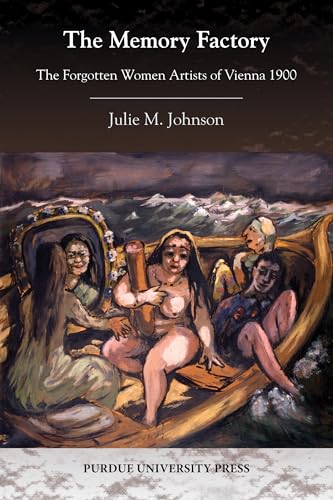
Inhaltsangabe
The Memory Factory introduces an English-speaking public to the significant women artists of Vienna at the turn of the twentieth century, each chosen for her aesthetic innovations and participation in public exhibitions. These women played important public roles as exhibiting artists, both individually and in collectives, but this history has been silenced over time. Their stories show that the city of Vienna was contradictory and cosmopolitan: despite men-only policies in its main art institutions, it offered a myriad of unexpected ways for women artists to forge successful public careers. Women artists came from the provinces, Russia, and Germany to participate in its vibrant art scene. However, and especially because so many of the artists were Jewish, their contributions were actively obscured beginning in the late 1930s. Many had to flee Austria, losing their studios and lifework in the process. Some were killed in concentration camps.Along with the stories of individual women artists, the author reconstructs the history of separate women artists' associations and their exhibitions. Chapters covering the careers of Tina Blau, Elena Luksch-Makowsky, Bronica Koller, Helene Funke, and Teresa Ries (among others) point to a more integrated and cosmopolitan art world than previously thought; one where women became part of the avant-garde, accepted and even highlighted in major exhibitions at the Secession and with the Klimt group.
Die Inhaltsangabe kann sich auf eine andere Ausgabe dieses Titels beziehen.
Über die Autorin bzw. den Autor
Julie M. Johnson teaches contemporary and modern art history at the University of Texas at San Antonio. She has held Fulbright and IFK residential fellowships in Vienna.
„Über diesen Titel“ kann sich auf eine andere Ausgabe dieses Titels beziehen.
Suchergebnisse für The Memory Factory: The Forgotten Women Artists of...

Beispielbild für diese ISBN
The Memory Factory: The Forgotten Women Artists of Vienna 1900 (Central European Studies)
Anbieter: Kennys Bookshop and Art Galleries Ltd., Galway, GY, Irland
Verkäuferbewertung 5 von 5 Sternen

Zustand: New. Series: Purdue Uni: Central European Studies. Num Pages: 368 pages, Illustrations. BIC Classification: AGB. Category: (G) General (US: Trade). Dimension: 154 x 230 x 28. Weight in Grams: 812. . 2012. Paperback. . . . . Bestandsnummer des Verkäufers V9781557536136
Neu kaufen
EUR 37,65
EUR 9,50 Versand
Versand von Irland nach USA
Versand von Irland nach USA
Anzahl: 20 verfügbar
Beispielbild für diese ISBN
The Memory Factory (Paperback)
Verlag:
Purdue University Press, West Lafayette, 2012
ISBN 10: 1557536139
ISBN 13: 9781557536136
Neu
Paperback
Anbieter: Grand Eagle Retail, Bensenville, IL, USA
Verkäuferbewertung 5 von 5 Sternen
Paperback. Zustand: new. Paperback. The Memory Factory introduces an English-speaking public to the significant women artists of Vienna at the turn of the twentieth century, each chosen for her aesthetic innovations and participation in public exhibitions. These women played important public roles as exhibiting artists, both individually and in collectives, but this history has been silenced over time. Their stories show that the city of Vienna was contradictory and cosmopolitan: despite men-only policies in its main art institutions, it offered a myriad of unexpected ways for women artists to forge successful public careers. Women artists came from the provinces, Russia, and Germany to participate in its vibrant art scene. However, and especially because so many of the artists were Jewish, their contributions were actively obscured beginning in the late 1930s. Many had to flee Austria, losing their studios and lifework in the process. Some were killed in concentration camps. Along with the stories of individual women artists, the author reconstructs the history of separate women artists' associations and their exhibitions. Chapters covering the careers of Tina Blau, Elena Luksch-Makowsky, Bronica Koller, Helene Funke, and Teresa Ries (among others) point to a more integrated and cosmopolitan art world than previously thought; one where women became part of the avant-garde, accepted and even highlighted in major exhibitions at the Secession and with the Klimt group. Introduces an English-speaking public to the significant women artists of Vienna at the turn of the twentieth century, each chosen for her aesthetic innovations and participation in public exhibitions. These women played important public roles as exhibiting artists, both individually and in collectives, but this history has been silenced over time. Their stories show that the city of Vienna was contradictory and cosmopolitan. Shipping may be from multiple locations in the US or from the UK, depending on stock availability. Bestandsnummer des Verkäufers 9781557536136
Beispielbild für diese ISBN
The Memory Factory: The Forgotten Women Artists of Vienna 1900 (Central European Studies)
Anbieter: Kennys Bookstore, Olney, MD, USA
Verkäuferbewertung 5 von 5 Sternen
Zustand: New. Series: Purdue Uni: Central European Studies. Num Pages: 368 pages, Illustrations. BIC Classification: AGB. Category: (G) General (US: Trade). Dimension: 154 x 230 x 28. Weight in Grams: 812. . 2012. Paperback. . . . . Books ship from the US and Ireland. Bestandsnummer des Verkäufers V9781557536136
Neu kaufen
EUR 45,39
EUR 9,06 Versand
Versand innerhalb von USA
Versand innerhalb von USA
Anzahl: 20 verfügbar
Beispielbild für diese ISBN
The Memory Factory: The Forgotten Women Artists of Vienna 1900 (Central European Studies)
Anbieter: Russell Books, Victoria, BC, Kanada
Verkäuferbewertung 5 von 5 Sternen
paperback. Zustand: New. Special order direct from the distributor. Bestandsnummer des Verkäufers ING9781557536136
Neu kaufen
EUR 37,34
EUR 17,25 Versand
Versand von Kanada nach USA
Versand von Kanada nach USA
Anzahl: 2 verfügbar
Beispielbild für diese ISBN
The Memory Factory
Anbieter: PBShop.store UK, Fairford, GLOS, Vereinigtes Königreich
Verkäuferbewertung 5 von 5 Sternen
PAP. Zustand: New. New Book. Shipped from UK. Established seller since 2000. Bestandsnummer des Verkäufers IB-9781557536136
Neu kaufen
EUR 48,62
EUR 6,83 Versand
Versand von Vereinigtes Königreich nach USA
Versand von Vereinigtes Königreich nach USA
Anzahl: 2 verfügbar
Beispielbild für diese ISBN
The Memory Factory The Forgotten Women Artists of Vienna 1900
Anbieter: Revaluation Books, Exeter, Vereinigtes Königreich
Verkäuferbewertung 5 von 5 Sternen
Paperback. Zustand: Brand New. 368 pages. 9.00x6.00x1.10 inches. In Stock. Bestandsnummer des Verkäufers x-1557536139
Neu kaufen
EUR 61,60
EUR 14,55 Versand
Versand von Vereinigtes Königreich nach USA
Versand von Vereinigtes Königreich nach USA
Anzahl: 2 verfügbar
Beispielbild für diese ISBN
The Memory Factory (Paperback)
Verlag:
Purdue University Press, West Lafayette, 2012
ISBN 10: 1557536139
ISBN 13: 9781557536136
Neu
Paperback
Anbieter: AussieBookSeller, Truganina, VIC, Australien
Verkäuferbewertung 5 von 5 Sternen
Paperback. Zustand: new. Paperback. The Memory Factory introduces an English-speaking public to the significant women artists of Vienna at the turn of the twentieth century, each chosen for her aesthetic innovations and participation in public exhibitions. These women played important public roles as exhibiting artists, both individually and in collectives, but this history has been silenced over time. Their stories show that the city of Vienna was contradictory and cosmopolitan: despite men-only policies in its main art institutions, it offered a myriad of unexpected ways for women artists to forge successful public careers. Women artists came from the provinces, Russia, and Germany to participate in its vibrant art scene. However, and especially because so many of the artists were Jewish, their contributions were actively obscured beginning in the late 1930s. Many had to flee Austria, losing their studios and lifework in the process. Some were killed in concentration camps. Along with the stories of individual women artists, the author reconstructs the history of separate women artists' associations and their exhibitions. Chapters covering the careers of Tina Blau, Elena Luksch-Makowsky, Bronica Koller, Helene Funke, and Teresa Ries (among others) point to a more integrated and cosmopolitan art world than previously thought; one where women became part of the avant-garde, accepted and even highlighted in major exhibitions at the Secession and with the Klimt group. Introduces an English-speaking public to the significant women artists of Vienna at the turn of the twentieth century, each chosen for her aesthetic innovations and participation in public exhibitions. These women played important public roles as exhibiting artists, both individually and in collectives, but this history has been silenced over time. Their stories show that the city of Vienna was contradictory and cosmopolitan. Shipping may be from our Sydney, NSW warehouse or from our UK or US warehouse, depending on stock availability. Bestandsnummer des Verkäufers 9781557536136
Neu kaufen
EUR 88,66
EUR 31,94 Versand
Versand von Australien nach USA
Versand von Australien nach USA
Anzahl: 1 verfügbar
Foto des Verkäufers
The Memory Factory : The Forgotten Women Artists of Vienna 1900
Verlag:
Purdue University Press Mai 2012, 2012
ISBN 10: 1557536139
ISBN 13: 9781557536136
Neu
Taschenbuch
Anbieter: AHA-BUCH GmbH, Einbeck, Deutschland
Verkäuferbewertung 5 von 5 Sternen
Taschenbuch. Zustand: Neu. Neuware - The Memory Factory introduces an English-speaking public to the significant women artists of Vienna at the turn of the twentieth century, each chosen for her aesthetic innovations and participation in public exhibitions. These women played important public roles as exhibiting artists, both individually and in collectives, but this history has been silenced over time. Their stories show that the city of Vienna was contradictory and cosmopolitan: despite men-only policies in its main art institutions, it offered a myriad of unexpected ways for women artists to forge successful public careers. Women artists came from the provinces, Russia, and Germany to participate in its vibrant art scene. However, and especially because so many of the artists were Jewish, their contributions were actively obscured beginning in the late 1930s. Many had to flee Austria, losing their studios and lifework in the process. Some were killed in concentration camps. Along with the stories of individual women artists, the author reconstructs the history of separate women artists' associations and their exhibitions. Chapters covering the careers of Tina Blau, Elena Luksch-Makowsky, Helene Funke, and Teresa Ries (among others) point to a more integrated and cosmopolitan art world than previously thought; one where women became part of the avant-garde, accepted and even highlighted in major exhibitions at the Secession and with the Klimt group. Bestandsnummer des Verkäufers 9781557536136
Neu kaufen
EUR 63,76
EUR 64,06 Versand
Versand von Deutschland nach USA
Versand von Deutschland nach USA
Anzahl: 1 verfügbar
Beispielbild für diese ISBN
The Memory Factory : the Forgotten Women Artists of Vienna 1900
Anbieter: BWS BKS, Ferndale, NY, USA
Verkäuferbewertung 2 von 5 Sternen

Paperback. Zustand: New. *** FREE UPGRADE to Courier/Priority Shipping Upon Request *** - *** IN STOCK AND IMMEDIATELY AVAILABLE FOR SHIPMENT - Flawless copy, brand new, pristine, never opened -- 456 pp. ; 136 illus. (46 in color. ) -- with a bonus offer--; Central European Studies; The Memory Factory introduces an English-speaking public to the significant women artists of Vienna at the turn of the twentieth century, each chosen for her aesthetic innovations and participation in public exhibitions. These women played important public roles as exhibiting artists, both individually and in collectives, but this history has been silenced over time. Their stories show that the city of Vienna was contradictory and cosmopolitan: despite men-only policies in its main art institutions, it offered a myriad of unexpected ways for women artists to forge successful public careers. Women artists came from the provinces, Russia, and Germany to participate in its vibrant art scene. However, and especially because so many of the artists were Jewish, their contributions were actively obscured beginning in the late 1930s. Many had to flee Austria, losing their studios and lifework in the process. Some were killed in concentration camps. Along with the stories of individual women artists, the author reconstructs the history of separate women artists' associations and their exhibitions. Chapters covering the careers of Tina Blau, Elena Luksch-Makowsky, Helene Funke, and Teresa Ries (among others) point to a more integrated and cosmopolitan art world than previously thought; one where women became part of the avant-garde, accepted and even highlighted in major exhibitions at the Secession and with the Klimt group. Bestandsnummer des Verkäufers 99247
Neu kaufen
EUR 1.756,81
EUR 2,59 Versand
Versand innerhalb von USA
Versand innerhalb von USA
Anzahl: 1 verfügbar