
Verwandte Artikel zu The Use of Man (New York Review Books Classics)
Inhaltsangabe
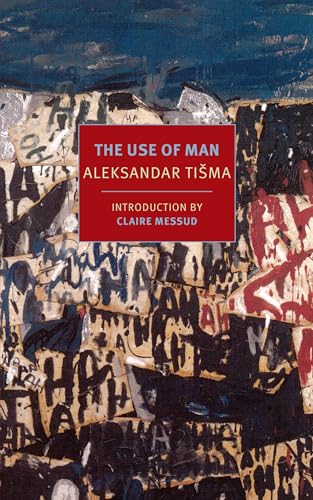
The Use of Man starts with an unexpected discovery. World War II is ending. Sredoje Lazukić has been fighting all through it. Now, as one of the victorious Partisans, he has come home to Novi Sad. He visits the house he grew up in. Strangers nervously show him around. He looks up the mother of Milinko, his best friend. Milinko’s girlfriend, Vera, was the daughter of a Jew, a bookish businessman. Her house stands empty and open. Venturing in, Sredoje is surprised to find the diary of the German tutor that Milinko, Vera, and he all shared, Fräulein, who died on the operating table just before the war. Here, however, in a cheap notebook in Vera’s old room, is a record of Fräulein’s lonely days, with the sentimental caption Poésie. . . .
The diary survived. Sredoje survived. Vera and Milinko have survived too. But what survives? A few years back Sredoje, Vera, and Milinko were teenagers, struggling to make sense of life. Life, they now know, can be more bitter than death.
A work of stark poetry and illimitable sadness, The Use of Man is one of the great books of the 20th century.
Die Inhaltsangabe kann sich auf eine andere Ausgabe dieses Titels beziehen.
Über die Autorin bzw. den Autor
Aleksandar Tišma (1924–2003) was born in the Vojvodina, a former province of the Austro-Hungarian Empire that had been incorporated into the new Kingdom of Yugoslavia after the First World War. His father, a Serb, came from a peasant background; his mother was middle-class and Jewish. The family lived comfortably, and Tišma received a good education. In 1941, Hungary annexed Vojvodina; the next year—Tišma’s last in high school—the regime carried out a series of murderous pogroms, killing some 3,000 inhabitants, primarily Serbs and Jews, though the Tišmas were spared. After fighting for the Yugoslav partisans, Tišma studied philosophy at Belgrade University and went into journalism and in 1949 joined the editorial staff of a publishing house, where he remained until his retirement in 1980. Tišma published his first story, “Ibika’s House,” in 1951; it was followed by the novels Guilt and In Search of the Dark Girl and a collection of stories, Violence. In the 1970s and ’80s, he gained international recognition with the publication of his Novi Sad trilogy: The Book of Blam (1971), about a survivor of the Hungarian occupation of Novi Sad; The Use of Man (1976), which follows a group of friends through the Second World War and after; and Kapo (1987), the story of a Jew raised as a Catholic who becomes a guard in a German concentration camp. Tišma moved to France after the outbreak of war and collapse of Yugoslavia in the early 1990s, but in 1995 he returned to Novi Sad, where he spent his last years.
Bernard Johnson (1933–2003) was affiliated with the Language Centre at the London School of Economics for many years. In 1970 he edited and translated the first anthology of modern Yugoslav literature, and throughout his career he distinguished himself as one of the most active translators of Serbo-Croatian poetry and prose working in English.
Claire Messud is the author of four novels and a book of novellas. Her novel The Emperor’s Children was long-listed for the Man Booker Prize, and was selected as one of the ten best books of 2006 by The New York Times. Her most recent novel is The Woman Upstairs. She lives with her family in Cambridge, Massachusetts.
„Über diesen Titel“ kann sich auf eine andere Ausgabe dieses Titels beziehen.
Suchergebnisse für The Use of Man (New York Review Books Classics)

Foto des Verkäufers
The Use of Man (New York Review Books Classics)
Anbieter: Zoom Books Company, Lynden, WA, USA
Verkäuferbewertung 5 von 5 Sternen

Zustand: very_good. Book is in very good condition and may include minimal underlining highlighting. The book can also include "From the library of" labels. May not contain miscellaneous items toys, dvds, etc. . We offer 100% money back guarantee and 24 7 customer service. Bestandsnummer des Verkäufers ZBV.1590177266.VG
Gebraucht kaufen
EUR 5,51
Versand gratis
Versand innerhalb von USA
Versand innerhalb von USA
Anzahl: 1 verfügbar
Beispielbild für diese ISBN
The Use of Man
Anbieter: World of Books (was SecondSale), Montgomery, IL, USA
Verkäuferbewertung 5 von 5 Sternen
Paperback. Zustand: Good. The Use of Man starts with an unexpected discovery. World War I is ending. Sredoje Lazukic has been fighting all through it. Now, as one of the victorious Partisans, he has come home to Novi Sad. He visits the house he grew up in. Strangers nervously show him around. He looks up the mother of Milinko, his best friend. Milinko's girlfriend, Vera, was the daughter of a Jew, a bookish businessman. Her house stands empty and open. Venturing in, Sredoje is surprised to find the diary of the German tutor that Milinko, Vera, and he all shared, Fr ulein, who died on the operating table just before the war. Here, however, in a cheap notebook in Vera's old room, is a record of Fr ulein's lonely days, with the sentimental caption Po sie. . . . The diary survived. Sredoje survived. Vera and Milinko have survived too. But what survives? A few years back Sredoje, Vera, and Milinko were teenagers, struggling to make sense of life. Life, they now know, can be more bitter than death. A work of stark poetry and illimitable sadness, The Use of Man is one of the great books of the 20th century. Bestandsnummer des Verkäufers 00103763673
Gebraucht kaufen
EUR 5,70
Versand gratis
Versand innerhalb von USA
Versand innerhalb von USA
Anzahl: 1 verfügbar
Foto des Verkäufers
The Use of Man (New York Review Books Classics)
Anbieter: -OnTimeBooks-, Phoenix, AZ, USA
Verkäuferbewertung 5 von 5 Sternen
Zustand: good. A copy that has been read, remains in good condition. All pages are intact, and the cover is intact. The spine and cover show signs of wear. Pages can include notes and highlighting and show signs of wear, and the copy can include "From the library of" labels or previous owner inscriptions. 100% GUARANTEE! Shipped with delivery confirmation, if you're not satisfied with purchase please return item! Ships via media mail. Bestandsnummer des Verkäufers OTV.1590177266.G
Gebraucht kaufen
EUR 7,00
Versand gratis
Versand innerhalb von USA
Versand innerhalb von USA
Anzahl: 1 verfügbar
Beispielbild für diese ISBN
The Use of Man
Anbieter: World of Books Inc, Montgomery, IL, USA
Verkäuferbewertung 4 von 5 Sternen

Paperback. Zustand: Good. The Use of Man starts with an unexpected discovery. World War I is ending. Sredoje Lazukic has been fighting all through it. Now, as one of the victorious Partisans, he has come home to Novi Sad. He visits the house he grew up in. Strangers nervously show him around. He looks up the mother of Milinko, his best friend. Milinko's girlfriend, Vera, was the daughter of a Jew, a bookish businessman. Her house stands empty and open. Venturing in, Sredoje is surprised to find the diary of the German tutor that Milinko, Vera, and he all shared, Fr ulein, who died on the operating table just before the war. Here, however, in a cheap notebook in Vera's old room, is a record of Fr ulein's lonely days, with the sentimental caption Po sie. . . . The diary survived. Sredoje survived. Vera and Milinko have survived too. But what survives? A few years back Sredoje, Vera, and Milinko were teenagers, struggling to make sense of life. Life, they now know, can be more bitter than death. A work of stark poetry and illimitable sadness, The Use of Man is one of the great books of the 20th century. Bestandsnummer des Verkäufers CIN1590177266G
Gebraucht kaufen
EUR 7,53
Versand gratis
Versand innerhalb von USA
Versand innerhalb von USA
Anzahl: 1 verfügbar
Beispielbild für diese ISBN
USE OF MAN
Anbieter: Magers and Quinn Booksellers, Minneapolis, MN, USA
Verkäuferbewertung 5 von 5 Sternen
paperback. Zustand: Like New. May have light shelf wear and/or a remainder mark. Complete. Clean pages. paperback. Bestandsnummer des Verkäufers 875431
Gebraucht kaufen
EUR 13,29
EUR 3,55 Versand
Versand innerhalb von USA
Versand innerhalb von USA
Anzahl: 1 verfügbar
Beispielbild für diese ISBN
The Use of Man Format: Paperback
Anbieter: INDOO, Avenel, NJ, USA
Verkäuferbewertung 5 von 5 Sternen
Zustand: New. Bestandsnummer des Verkäufers 9781590177266
Neu kaufen
EUR 17,71
Versand gratis
Versand innerhalb von USA
Versand innerhalb von USA
Anzahl: Mehr als 20 verfügbar
Foto des Verkäufers
The Use of Man (Paperback)
Verlag:
New York Review Books, New York, 2014
ISBN 10: 1590177266
ISBN 13: 9781590177266
Neu
Paperback
Anbieter: Grand Eagle Retail, Bensenville, IL, USA
Verkäuferbewertung 5 von 5 Sternen
Paperback. Zustand: new. Paperback. The Use of Man starts with an unexpected discovery. World War II is ending. Sredoje Lazukic has been fighting all through it. Now, as one of the victorious Partisans, he has come home to Novi Sad. He visits the house he grew up in. Strangers nervously show him around. He looks up the mother of Milinko, his best friend. Milinko's girlfriend, Vera, was the daughter of a Jew, a bookish businessman. Her house stands empty and open. Venturing in, Sredoje is surprised to find the diary of the German tutor that Milinko, Vera, and he all shared, Fr ulein, who died on the operating table just before the war. Here, however, in a cheap notebook in Vera's old room, is a record of Fr ulein's lonely days, with the sentimental caption Poesie. . . .The diary survived. Sredoje survived. Vera and Milinko have survived too. But what survives? A few years back Sredoje, Vera, and Milinko were teenagers, struggling to make sense of life. Life, they now know, can be more bitter than death.A work of stark poetry and illimitable sadness, The Use of Man is one of the great books of the 20th century.The Use of Man starts with an unexpected discovery. World War II is ending. Sredoje Lazukic has been fighting all through it. Now, as one of the victorious Partisans, he has come home to Novi Sad. He visits the house he grew up in. Strangers nervously show him around. He looks up the mother of Milinko, his best friend. Milinko's girlfriend, Vera, was the daughter of a Jew, a bookish businessman. Her house stands empty and open. Venturing in, Sredoje is surprised to find the diary of the German tutor that Milinko, Vera, and he all shared, Fr ulein, who died on the operating table just before the war. Here, however, in a cheap notebook in Vera's old room, is a record of Fr ulein's lonely days, with the sentimental caption Poesie. . . .The diary survived. Sredoje survived. Vera and Milinko have survived too. But what survives? A few years back Sredoje, Vera, and Milinko were teenagers, struggling to make sense of life. Life, they now know, can be more bitter than death.A work of stark poetry and illimitable sadness, The Use of Man is one of the great books of the 20th century. A work of stark poetry and illimitable sadness, The Use of Man is one of the great books of the 20th century. Shipping may be from multiple locations in the US or from the UK, depending on stock availability. Bestandsnummer des Verkäufers 9781590177266
Beispielbild für diese ISBN
The Use of Man (New York Review Books Classics)
Anbieter: Sequitur Books, Boonsboro, MD, USA
Verkäuferbewertung 5 von 5 Sternen
paperback. Zustand: New. Softcover. Good binding and cover. Clean, unmarked pages. Bestandsnummer des Verkäufers 2410090135
Neu kaufen
EUR 12,48
EUR 5,31 Versand
Versand innerhalb von USA
Versand innerhalb von USA
Anzahl: 1 verfügbar
Beispielbild für diese ISBN
The Use of Man Format: Paperback
Anbieter: INDOO, Avenel, NJ, USA
Verkäuferbewertung 5 von 5 Sternen
Zustand: As New. Unread copy in mint condition. Bestandsnummer des Verkäufers RH9781590177266
Gebraucht kaufen
EUR 17,83
Versand gratis
Versand innerhalb von USA
Versand innerhalb von USA
Anzahl: Mehr als 20 verfügbar
Foto des Verkäufers
The Use of Man
Anbieter: Rarewaves USA, HEBRON, KY, USA
Verkäuferbewertung 5 von 5 Sternen
Paperback. Zustand: New. Main. Bestandsnummer des Verkäufers LU-9781590177266
Neu kaufen
EUR 18,02
Versand gratis
Versand innerhalb von USA
Versand innerhalb von USA
Anzahl: Mehr als 20 verfügbar