
Verwandte Artikel zu The SAS Guide to Tracking
Inhaltsangabe
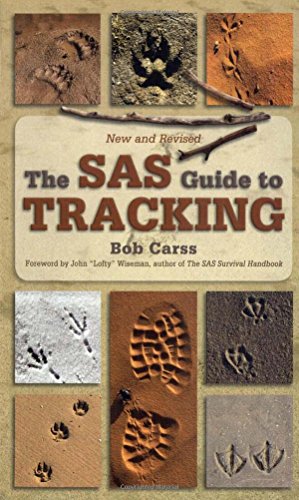
Anyone who has spent even a little time outdoors has come across strange tracks left by animals of people and wondered “what was here?” In this practical guide, former-SAS member Bob Carss shows how to track any moving thing, in any environment, and under nearly any circumstance. He begins by explaining common terms, such as a “top sign”, markings left above ankle height; “pointers”, signs that tell the general direction of the quarry; and a “conclusive sign,” markings that confirm the quarry's presence. The difference between tracks left by quarry and false tracks are described, as well as how a pattern of signs builds into the tracking picture – the overall movement, direction, and motivation of the quarry. Included are tips on:
- Tracking in desert, forest, jungle, marsh, and grassy areas
- Interpreting animal, human, and vehicle signs
- How to preserve night vision
- Using time frames to eliminate misleading signs
- Detecting quarry when they backtrack or circle around
- How time and weather affect signs
- How to spot intentionally misleading signs
The SAS Guide to Tracking is a remarkable guide to developing a new awareness of the outdoors and is the perfect companion for naturalists, outdoorspeople, hunters, wildlife photographers, search-and-rescue teams, and law enforcement.
Die Inhaltsangabe kann sich auf eine andere Ausgabe dieses Titels beziehen.
Über die Autorin bzw. den Autor
Both Carss and illustrator Stewart Birch live in Hereford, England, where the SAS Regiment is based.
Von der hinteren Coverseite
The ultimate guide to tracking man or animal, from the SAS
Who Dares Wins.
Motto of the Special Air Service (SAS)
Motto of the Special Air Service (SAS)
Anyone who has spent even a little time outdoors has come across strange tracks left by animals or people and wondered, What was here? In this new and revised edition of The SAS Guide to Tracking, Bob Carss a veteran of Britain's elite SAS shows how to track any moving thing, in any environment, and under nearly any circumstance.
Included are tips on:
Tracking in desert, forest, jungle, marshy, rocky, and mountainous terrain
Interpreting animal, human, and vehicle signs
Preserving night vision
Using time frames to eliminate misleading signs
Detecting prey when they backtrack or circle around
Knowing how time and weather affect signs
Recognizing how to spot intentionally misleading signs
An essential handbook for developing a new awareness of the outdoors, The SAS Guide to Tracking is the perfect companion for naturalists, outdoorspeople, hunters, wildlife photographers, youth leaders, search-and-rescue teams, outdoor pursuit and military instructors, and law enforcement organizations.
Aus dem Klappentext
Anyone who has spent even a little time outdoors has come across strange tracks left by animals of people and wondered what was here? In this practical guide, former-SAS member Bob Carss shows how to track any moving thing, in any environment, and under nearly any circumstance. He begins by explaining common terms, such as a top sign , markings left above ankle height; pointers , signs that tell the general direction of the quarry; and a conclusive sign, markings that confirm the quarry's presence. The difference between tracks left by quarry and false tracks are described, as well as how a pattern of signs builds into the tracking picture the overall movement, direction, and motivation of the quarry. Included are tips on:
- Tracking in desert, forest, jungle, marsh, and grassy areas
- Interpreting animal, human, and vehicle signs
- How to preserve night vision
- Using time frames to eliminate misleading signs
- Detecting quarry when they backtrack or circle around
- How time and weather affect signs
- How to spot intentionally misleading signs
The SAS Guide to Tracking is a remarkable guide to developing a new awareness of the outdoors and is the perfect companion for naturalists, outdoorspeople, hunters, wildlife photographers, search-and-rescue teams, and law enforcement.
With a Foreword by John Lofty Wiseman, author of The SAS Survival Handbook
„Über diesen Titel“ kann sich auf eine andere Ausgabe dieses Titels beziehen.
Suchergebnisse für The SAS Guide to Tracking

Beispielbild für diese ISBN
SAS Guide to Tracking, New and Revised
Anbieter: World of Books (was SecondSale), Montgomery, IL, USA
Verkäuferbewertung 5 von 5 Sternen

Paperback. Zustand: Very Good. Roy Thomasson (illustrator). Anyone who has spent even a little time outdoors has come across strange tracks left by animals of people and wondered what was here? In this practical guide, former-SAS member Bob Carss shows how to track any moving thing, in any environment, and under nearly any circumstance. He begins by explaining common terms, such as a top sign, markings left above ankle height; pointers, signs that tell the general direction of the quarry; and a conclusive sign, markings that confirm the quarry's presence. The difference between tracks left by quarry and false tracks are described, as well as how a pattern of signs builds into the tracking picture - the overall movement, direction, and motivation of the quarry. Included are tips on: Tracking in desert, forest, jungle, marsh, and grassy areas Interpreting animal, human, and vehicle signs How to preserve night vision Using time frames to eliminate misleading signs Detecting quarry when they backtrack or circle around How time and weather affect signs How to spot intentionally misleading signs The SAS Guide to Tracking is a remarkable guide to developing a new awareness of the outdoors and is the perfect companion for naturalists, outdoorspeople, hunters, wildlife photographers, search-and-rescue teams, and law enforcement. With a Foreword by John Lofty Wiseman, author of The SAS Survival Handbook. Bestandsnummer des Verkäufers CIN1599214377VG
Gebraucht kaufen
EUR 5,51
Versand gratis
Versand innerhalb von USA
Versand innerhalb von USA
Anzahl: 1 verfügbar
Beispielbild für diese ISBN
SAS Guide to Tracking, New and Revised
Anbieter: World of Books (was SecondSale), Montgomery, IL, USA
Verkäuferbewertung 5 von 5 Sternen
Paperback. Zustand: Good. Roy Thomasson (illustrator). Anyone who has spent even a little time outdoors has come across strange tracks left by animals of people and wondered what was here? In this practical guide, former-SAS member Bob Carss shows how to track any moving thing, in any environment, and under nearly any circumstance. He begins by explaining common terms, such as a top sign, markings left above ankle height; pointers, signs that tell the general direction of the quarry; and a conclusive sign, markings that confirm the quarry's presence. The difference between tracks left by quarry and false tracks are described, as well as how a pattern of signs builds into the tracking picture - the overall movement, direction, and motivation of the quarry. Included are tips on: Tracking in desert, forest, jungle, marsh, and grassy areas Interpreting animal, human, and vehicle signs How to preserve night vision Using time frames to eliminate misleading signs Detecting quarry when they backtrack or circle around How time and weather affect signs How to spot intentionally misleading signs The SAS Guide to Tracking is a remarkable guide to developing a new awareness of the outdoors and is the perfect companion for naturalists, outdoorspeople, hunters, wildlife photographers, search-and-rescue teams, and law enforcement. With a Foreword by John Lofty Wiseman, author of The SAS Survival Handbook. Bestandsnummer des Verkäufers CIN1599214377G
Gebraucht kaufen
EUR 5,51
Versand gratis
Versand innerhalb von USA
Versand innerhalb von USA
Anzahl: 1 verfügbar
Beispielbild für diese ISBN
The SAS Guide to Tracking, New and Revised
Anbieter: Wonder Book, Frederick, MD, USA
Verkäuferbewertung 5 von 5 Sternen
Zustand: Good. Roy Thomasson (illustrator). Good condition. A copy that has been read but remains intact. May contain markings such as bookplates, stamps, limited notes and highlighting, or a few light stains. Bestandsnummer des Verkäufers H07O-01700
Gebraucht kaufen
EUR 6,43
Versand gratis
Versand innerhalb von USA
Versand innerhalb von USA
Anzahl: 1 verfügbar
Beispielbild für diese ISBN
SAS Guide to Tracking, New and Revised
Anbieter: World of Books Inc, Montgomery, IL, USA
Verkäuferbewertung 4 von 5 Sternen

Paperback. Zustand: Good. Roy Thomasson (illustrator). Anyone who has spent even a little time outdoors has come across strange tracks left by animals of people and wondered what was here? In this practical guide, former-SAS member Bob Carss shows how to track any moving thing, in any environment, and under nearly any circumstance. He begins by explaining common terms, such as a top sign, markings left above ankle height; pointers, signs that tell the general direction of the quarry; and a conclusive sign, markings that confirm the quarry's presence. The difference between tracks left by quarry and false tracks are described, as well as how a pattern of signs builds into the tracking picture - the overall movement, direction, and motivation of the quarry. Included are tips on: Tracking in desert, forest, jungle, marsh, and grassy areas Interpreting animal, human, and vehicle signs How to preserve night vision Using time frames to eliminate misleading signs Detecting quarry when they backtrack or circle around How time and weather affect signs How to spot intentionally misleading signs The SAS Guide to Tracking is a remarkable guide to developing a new awareness of the outdoors and is the perfect companion for naturalists, outdoorspeople, hunters, wildlife photographers, search-and-rescue teams, and law enforcement. With a Foreword by John Lofty Wiseman, author of The SAS Survival Handbook. Bestandsnummer des Verkäufers CIN1599214377G
Gebraucht kaufen
EUR 7,35
Versand gratis
Versand innerhalb von USA
Versand innerhalb von USA
Anzahl: 1 verfügbar
Beispielbild für diese ISBN
SAS Guide to Tracking, New and Revised
Anbieter: World of Books Inc, Montgomery, IL, USA
Verkäuferbewertung 4 von 5 Sternen
Paperback. Zustand: Very Good. Roy Thomasson (illustrator). Anyone who has spent even a little time outdoors has come across strange tracks left by animals of people and wondered what was here? In this practical guide, former-SAS member Bob Carss shows how to track any moving thing, in any environment, and under nearly any circumstance. He begins by explaining common terms, such as a top sign, markings left above ankle height; pointers, signs that tell the general direction of the quarry; and a conclusive sign, markings that confirm the quarry's presence. The difference between tracks left by quarry and false tracks are described, as well as how a pattern of signs builds into the tracking picture - the overall movement, direction, and motivation of the quarry. Included are tips on: Tracking in desert, forest, jungle, marsh, and grassy areas Interpreting animal, human, and vehicle signs How to preserve night vision Using time frames to eliminate misleading signs Detecting quarry when they backtrack or circle around How time and weather affect signs How to spot intentionally misleading signs The SAS Guide to Tracking is a remarkable guide to developing a new awareness of the outdoors and is the perfect companion for naturalists, outdoorspeople, hunters, wildlife photographers, search-and-rescue teams, and law enforcement. With a Foreword by John Lofty Wiseman, author of The SAS Survival Handbook. Bestandsnummer des Verkäufers CIN1599214377VG
Gebraucht kaufen
EUR 7,35
Versand gratis
Versand innerhalb von USA
Versand innerhalb von USA
Anzahl: 1 verfügbar
Beispielbild für diese ISBN
SAS Guide to Tracking, New and Revised
Anbieter: ThriftBooks-Reno, Reno, NV, USA
Verkäuferbewertung 5 von 5 Sternen
Paperback. Zustand: Very Good. No Jacket. Roy Thomasson (illustrator). May have limited writing in cover pages. Pages are unmarked. ~ ThriftBooks: Read More, Spend Less. Bestandsnummer des Verkäufers G1599214377I4N00
Gebraucht kaufen
EUR 7,57
Versand gratis
Versand innerhalb von USA
Versand innerhalb von USA
Anzahl: 1 verfügbar
Beispielbild für diese ISBN
SAS Guide to Tracking, New and Revised
Anbieter: ThriftBooks-Dallas, Dallas, TX, USA
Verkäuferbewertung 5 von 5 Sternen
Paperback. Zustand: Good. No Jacket. Roy Thomasson (illustrator). Pages can have notes/highlighting. Spine may show signs of wear. ~ ThriftBooks: Read More, Spend Less. Bestandsnummer des Verkäufers G1599214377I3N00
Gebraucht kaufen
EUR 7,60
Versand gratis
Versand innerhalb von USA
Versand innerhalb von USA
Anzahl: 1 verfügbar
Beispielbild für diese ISBN
SAS Guide to Tracking, New and Revised
Anbieter: ThriftBooks-Dallas, Dallas, TX, USA
Verkäuferbewertung 5 von 5 Sternen
Paperback. Zustand: Good. No Jacket. Roy Thomasson (illustrator). Former library book; Pages can have notes/highlighting. Spine may show signs of wear. ~ ThriftBooks: Read More, Spend Less. Bestandsnummer des Verkäufers G1599214377I3N10
Gebraucht kaufen
EUR 7,60
Versand gratis
Versand innerhalb von USA
Versand innerhalb von USA
Anzahl: 1 verfügbar
Beispielbild für diese ISBN
SAS Guide to Tracking, New and Revised
Anbieter: ThriftBooks-Dallas, Dallas, TX, USA
Verkäuferbewertung 5 von 5 Sternen
Paperback. Zustand: Very Good. No Jacket. Roy Thomasson (illustrator). Former library book; May have limited writing in cover pages. Pages are unmarked. ~ ThriftBooks: Read More, Spend Less. Bestandsnummer des Verkäufers G1599214377I4N10
Gebraucht kaufen
EUR 7,60
Versand gratis
Versand innerhalb von USA
Versand innerhalb von USA
Anzahl: 1 verfügbar
Beispielbild für diese ISBN
SAS Guide to Tracking, New and Revised
Anbieter: ThriftBooks-Atlanta, AUSTELL, GA, USA
Verkäuferbewertung 5 von 5 Sternen
Paperback. Zustand: Very Good. No Jacket. Roy Thomasson (illustrator). May have limited writing in cover pages. Pages are unmarked. ~ ThriftBooks: Read More, Spend Less. Bestandsnummer des Verkäufers G1599214377I4N00
Gebraucht kaufen
EUR 7,60
Versand gratis
Versand innerhalb von USA
Versand innerhalb von USA
Anzahl: 1 verfügbar