
Verwandte Artikel zu The Art of Invention: The Creative Process of Discovery...
Inhaltsangabe
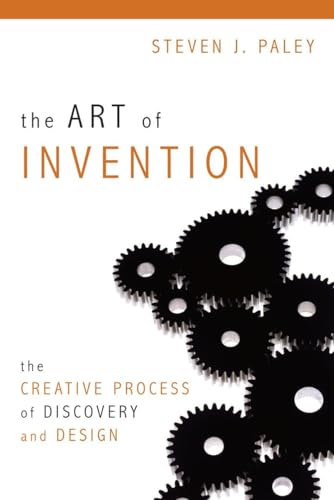
In this entertaining and insightful exploration of the process of invention, an experienced inventor vividly illustrates how great inventions embody three crucial characteristics--simplicity, elegance, and robustness.
Whether you’re an aspiring inventor or an experienced designer, the author's expertise, personal examples, and case studies offer detailed guidance on conceptualizing your ideas and turning them into reality. The author shows how ideas can come from a variety of sources such as the natural world, basic physical principles, life experience, or even chance observations. He examines how intuition and the harnessing of subconscious information are key ingredients for the inventive process.
He concludes with an in-depth look at the business of invention and the typical inventor's toolkit. He addresses the real-world challenges of turning a good idea into a practical, marketable application, including patents, marketing, and entrepreneurship. He is candid about the realities of hard work and the need to learn from the inevitable mistakes along the way.
Full of insights and practical guidance from a successful inventor and entrepreneur, this book will open new avenues of creativity for budding and accomplished inventors alike.
Die Inhaltsangabe kann sich auf eine andere Ausgabe dieses Titels beziehen.
Über die Autorin bzw. den Autor
Steven J. Paley (Paramus, NJ) holds nine US patents and numerous international patents. He is the founder of Arise Technologies, Inc., which teaches robotics and engineering to special needs and gifted children. From 1985 to 2001, he was the CEO and Chief Technical Officer of the Texwipe Company, which manufactured and sold specialized consumable products for the control of microcontamination in semiconductor fabrication, disk drive manufacture, biotechnology, and aerospace.
Auszug. © Genehmigter Nachdruck. Alle Rechte vorbehalten.
the ART of INVENTION
THE CREATIVE PROCESS OF DISCOVERY AND DESIGN By STEVEN J. PALEYPrometheus Books
Copyright © 2010 Steven J. PaleyAll right reserved.
ISBN: 978-1-61614-223-0
Contents
INTRODUCTION..................................................13Chapter 1. The Paper Clip and the Problem.....................19Chapter 2. The Hidden Obvious.................................31Chapter 3. Creativity and the Brain...........................51Chapter 4. The Process of Invention...........................65Chapter 5. Simplicity.........................................101Chapter 6. Elegance...........................................117Chapter 7. Robustness.........................................143Chapter 8. Problem Solving and Iteration......................157Chapter 9. The Business of Invention..........................173Chapter 10. The Art of Invention..............................193ACKNOWLEDGMENTS...............................................207NOTES.........................................................209BIBLIOGRAPHY..................................................215INDEX.........................................................221
Chapter One
THE PAPER CLIP ADD THE PROBLEM
What does it take to invent? How do you invent something—create something that didn't exist before you brought it into the world? How do people come up with great ideas?
What Makes a Great Idea Great?
Let's start by looking at an example of a great idea—the paper clip. What makes the paper clip such a great invention? First, it solves a significant and obvious problem: temporarily holding sheets of paper together without deforming them in any way. Before the advent of computers and electronic communication, paper was, and arguably still is, the primary means of written communication. A simple way to hold together sheaves of paper was a significant need for anyone who dealt in written documents. The fact that this method—unlike stapling, pinning, or binding—was temporary provided another valuable feature in that papers could be easily reordered, added, or removed from the bound stack. While all this is nice, it still doesn't explain what is so intriguing about the simple paper clip.
Let's look at the paper clip in terms of what it can do. My first assignment in engineering school was to find fifty uses for a paper clip outside its intended use. This was not very difficult. Some of the more creative uses I have seen include a device to pick locks, a linkage to fix a broken automobile transmission, and a heated knife to sculpt foam. This simple invention provides the germ of many more inventions. That we can do so many things with something so simple begins to show why the paper clip is such a great invention.
Is it hard to make? Is it costly? The paper clip is simple in design, materials, and manufacture. It is merely a piece of extruded metal wire with three bends. And yet it can be used to do so many things.
Let's look at some of the characteristics of the paper clip as an invention.
1. Simplicity. The paper clip is an extremely simple solution to the problem of temporarily holding sheaves of papers together. 2. Adaptability. The paper clip's simplicity gives it flexibility in use that can be adapted to variation. Whether you want to bind two sheets of paper or twenty, the paper clip can be bent to accommodate the need. 3. Ease of use. The paper clip is easy and intuitive to use. No instruction manual is needed. It is obvious what to do with it. Its obviousness comes from its multisensory appeal. One can figure out how to use it by sight or by feel. 4. Robustness. The paper clip always works. Its simplicity ensures that failure will be rare. A user can determine immediately by sight whether a particular clip is likely to fail. 5. Unintended functionality. The fifty other things to do with a paper clip are an added bonus. Simplicity often leads to universality. The paper clip is merely a bent piece of wire, and there are many things that can be done with a piece of wire. Perhaps this is the genius of the design: that we can do so much with so little is what makes this an exceptional invention. 6. Elegance. Elegance is a combination of the above characteristics. Elegance means achieving a task by doing a lot with just a little. Elegance in design or invention means solving a problem in a very simple yet comprehensive manner.
The attributes above can be encapsulated in my personal design mantra. The goal of any design is to be simple, elegant, and robust. This applies to complex inventions and designs as well. No matter if I am designing a shoelace nib or a nuclear power plant, the simple, elegant, and robust guidelines apply. Addressing the seeming paradox of making complex things simple, Albert Einstein, a man who more than dabbled in complex things, is reputed to have famously said, "Everything should be made as simple as possible, but not simpler."
Even in developing complex theories of the workings of the universe, Einstein strove to be as simple as possible. As he also said, "Any intelligent fool can make things bigger, more complex, and more violent. It takes a touch of genius—and a lot of courage—to move in the opposite direction."
The ideas of simplicity, elegance, and robustness apply both to invention and to its close cousin, design. As we will see in the following chapters, inventions that fit these criteria are often considered the most profound and successful.
The History of the Paper Clip
Who invented the paper clip, and how did he come up with this great idea? There was not one individual who had an "aha!" moment and invented the paper clip as we know it today. The original embodiment is thought to go back to Byzantine times, when a form of the paper clip was fashioned from brass to hold together very important documents. Unlike today's paper clips, these were not inexpensive, mass-produced throwaways. The wire paper clip was first patented in 1867 by Samuel B. Fay, whose intention was to create a device that would hold tickets to fabric. However, he noted in his patent application that his clip could also be used to hold papers together. The popularity of such clips for holding papers together soon overtook Fay's original interest in clipping price tags or laundry tickets to clothing. A patent for another paper clip design was issued in 1877, and patent applications for several more designs were filed in 1896 and for several years thereafter. By the 1890s, paper clips were commonly used in business offices. The March 1900 issue of Business commented that "[t}he wire clip for holding office papers together has entirely superseded the use of the pin in all up-to-date offices."'
Several interesting things emerge from looking at the question of how Fay came up with this invention. First, the original invention was designed to solve a much narrower problem than the one it actually solved. The inventor did not recognize the potential of his invention. This is commonly the case. An inventor looks to solve one problem and inadvertently solves a much larger one. There are many examples of this in the history of invention. The inventor of chewing gum, for instance, was originally trying to develop...
„Über diesen Titel“ kann sich auf eine andere Ausgabe dieses Titels beziehen.
Suchergebnisse für The Art of Invention: The Creative Process of Discovery...

Beispielbild für diese ISBN
The Art of Invention: The Creative Process of Discovery and Design
Anbieter: World of Books (was SecondSale), Montgomery, IL, USA
Verkäuferbewertung 5 von 5 Sternen

Paperback. Zustand: Good. In this entertaining and insightful exploration of the process of invention, an experienced inventor vividly illustrates how great inventions embody three crucial characteristics--simplicity, elegance, and robustness. Whether you're an aspiring inventor or an experienced designer, the author's expertise, personal examples, and case studies offer detailed guidance on conceptualizing your ideas and turning them into reality. The author shows how ideas can come from a variety of sources such as the natural world, basic physical principles, life experience, or even chance observations. He examines how intuition and the harnessing of subconscious information are key ingredients for the inventive process. He concludes with an in-depth look at the business of invention and the typical inventor's toolkit. He addresses the real-world challenges of turning a good idea into a practical, marketable application, including patents, marketing, and entrepreneurship. He is candid about the realities of hard work and the need to learn from the inevitable mistakes along the way. Full of insights and practical guidance from a successful inventor and entrepreneur, this book will open new avenues of creativity for budding and accomplished inventors alike. Bestandsnummer des Verkäufers 00098365284
Gebraucht kaufen
EUR 5,24
Versand gratis
Versand innerhalb von USA
Versand innerhalb von USA
Anzahl: 3 verfügbar
Foto des Verkäufers
The Art of Invention
Anbieter: 3Brothers Bookstore, Egg harbor township, NJ, USA
Verkäuferbewertung 5 von 5 Sternen
Zustand: very_good. Cover may have light wear, pages in very good condition and binding is sturdy; may have other light shelf wear or creases. May have notes or highlighting. Bestandsnummer des Verkäufers EVV.1616142235.VG
Gebraucht kaufen
EUR 5,25
Versand gratis
Versand innerhalb von USA
Versand innerhalb von USA
Anzahl: 1 verfügbar
Beispielbild für diese ISBN
Art of Invention : The Creative Process of Discovery and Design
Verlag:
The Globe Pequot Publishing Group, Inc., 2010
ISBN 10: 1616142235
ISBN 13: 9781616142230
Gebraucht
Softcover
Anbieter: Better World Books, Mishawaka, IN, USA
Verkäuferbewertung 5 von 5 Sternen
Zustand: Very Good. Former library copy. Pages intact with possible writing/highlighting. Binding strong with minor wear. Dust jackets/supplements may not be included. Includes library markings. Stock photo provided. Product includes identifying sticker. Better World Books: Buy Books. Do Good. Bestandsnummer des Verkäufers 5795148-75
Gebraucht kaufen
EUR 6,54
Versand gratis
Versand innerhalb von USA
Versand innerhalb von USA
Anzahl: 2 verfügbar
Beispielbild für diese ISBN
Art of Invention : The Creative Process of Discovery and Design
Verlag:
The Globe Pequot Publishing Group, Inc., 2010
ISBN 10: 1616142235
ISBN 13: 9781616142230
Gebraucht
Softcover
Anbieter: Better World Books, Mishawaka, IN, USA
Verkäuferbewertung 5 von 5 Sternen
Zustand: Very Good. Pages intact with possible writing/highlighting. Binding strong with minor wear. Dust jackets/supplements may not be included. Stock photo provided. Product includes identifying sticker. Better World Books: Buy Books. Do Good. Bestandsnummer des Verkäufers 4079091-6
Gebraucht kaufen
EUR 6,54
Versand gratis
Versand innerhalb von USA
Versand innerhalb von USA
Anzahl: 1 verfügbar
Beispielbild für diese ISBN
Art of Invention: The Creative Process of Discovery and Design
Anbieter: ThriftBooks-Reno, Reno, NV, USA
Verkäuferbewertung 5 von 5 Sternen
Paperback. Zustand: Very Good. No Jacket. May have limited writing in cover pages. Pages are unmarked. ~ ThriftBooks: Read More, Spend Less. Bestandsnummer des Verkäufers G1616142235I4N00
Gebraucht kaufen
EUR 6,57
Versand gratis
Versand innerhalb von USA
Versand innerhalb von USA
Anzahl: 1 verfügbar
Beispielbild für diese ISBN
Art of Invention: The Creative Process of Discovery and Design
Anbieter: ThriftBooks-Dallas, Dallas, TX, USA
Verkäuferbewertung 5 von 5 Sternen
Paperback. Zustand: Very Good. No Jacket. May have limited writing in cover pages. Pages are unmarked. ~ ThriftBooks: Read More, Spend Less. Bestandsnummer des Verkäufers G1616142235I4N00
Gebraucht kaufen
EUR 6,57
Versand gratis
Versand innerhalb von USA
Versand innerhalb von USA
Anzahl: 1 verfügbar
Beispielbild für diese ISBN
The Art of Invention: The Creative Process of Discovery and Design
Anbieter: World of Books Inc, Montgomery, IL, USA
Verkäuferbewertung 4 von 5 Sternen

Paperback. Zustand: Good. In this entertaining and insightful exploration of the process of invention, an experienced inventor vividly illustrates how great inventions embody three crucial characteristics--simplicity, elegance, and robustness. Whether you're an aspiring inventor or an experienced designer, the author's expertise, personal examples, and case studies offer detailed guidance on conceptualizing your ideas and turning them into reality. The author shows how ideas can come from a variety of sources such as the natural world, basic physical principles, life experience, or even chance observations. He examines how intuition and the harnessing of subconscious information are key ingredients for the inventive process. He concludes with an in-depth look at the business of invention and the typical inventor's toolkit. He addresses the real-world challenges of turning a good idea into a practical, marketable application, including patents, marketing, and entrepreneurship. He is candid about the realities of hard work and the need to learn from the inevitable mistakes along the way. Full of insights and practical guidance from a successful inventor and entrepreneur, this book will open new avenues of creativity for budding and accomplished inventors alike. Bestandsnummer des Verkäufers CIN1616142235G
Gebraucht kaufen
EUR 7,07
Versand gratis
Versand innerhalb von USA
Versand innerhalb von USA
Anzahl: 3 verfügbar
Beispielbild für diese ISBN
The Art of Invention: The Creative Process of Discovery and Design
Anbieter: Half Price Books Inc., Dallas, TX, USA
Verkäuferbewertung 5 von 5 Sternen
Paperback. Zustand: Very Good. Connecting readers with great books since 1972! Used books may not include companion materials, and may have some shelf wear or limited writing. We ship orders daily and Customer Service is our top priority! Bestandsnummer des Verkäufers S_413594183
Gebraucht kaufen
EUR 4,58
EUR 3,33 Versand
Versand innerhalb von USA
Versand innerhalb von USA
Anzahl: 1 verfügbar
Beispielbild für diese ISBN
The Art of Invention: The Creative Process of Discovery and Design
Anbieter: HPB-Diamond, Dallas, TX, USA
Verkäuferbewertung 5 von 5 Sternen
Paperback. Zustand: Very Good. Connecting readers with great books since 1972! Used books may not include companion materials, and may have some shelf wear or limited writing. We ship orders daily and Customer Service is our top priority! Bestandsnummer des Verkäufers S_472280284
Gebraucht kaufen
EUR 4,58
EUR 3,33 Versand
Versand innerhalb von USA
Versand innerhalb von USA
Anzahl: 1 verfügbar
Beispielbild für diese ISBN
The Art of Invention: The Creative Process of Discovery and Design
Anbieter: Books From California, Simi Valley, CA, USA
Verkäuferbewertung 4 von 5 Sternen
Paperback. Zustand: Very Good. Bestandsnummer des Verkäufers mon0004255650
Gebraucht kaufen
EUR 4,89
EUR 4,43 Versand
Versand innerhalb von USA
Versand innerhalb von USA
Anzahl: 1 verfügbar