
Verwandte Artikel zu Draw in Order to See
Inhaltsangabe
Bitte überprüfen Sie die Produktbeschreibung oder kontaktieren Sie den Verkäufer, wenn Sie nicht die Größe wählen, die Shop-Größe nicht US-Größe, sorgfältig für Ihren Kauf. Hohe Elastizität, Atmungsaktivität, bequem und gesund
Die Inhaltsangabe kann sich auf eine andere Ausgabe dieses Titels beziehen.
Suchergebnisse für Draw in Order to See

Beispielbild für diese ISBN
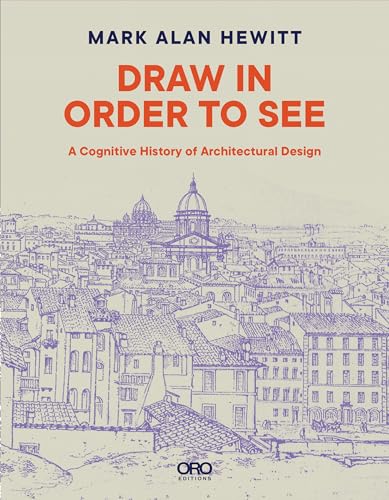
Draw In Order To See. A Cognitive History of Architectural Design.
Anbieter: Antiquariat Willi Braunert, München, Deutschland
Verkäuferbewertung 4 von 5 Sternen

8°, paperback. 295 pp New book. Sprache: Englisch Gewicht in Gramm: 0. Bestandsnummer des Verkäufers 27383
Gebraucht kaufen
EUR 40,00
EUR 27,00 Versand
Versand von Deutschland nach USA
Versand von Deutschland nach USA
Anzahl: 1 verfügbar
Foto des Verkäufers
Draw in Order to See
Anbieter: Rarewaves USA, HEBRON, KY, USA
Verkäuferbewertung 5 von 5 Sternen

Paperback. Zustand: New. Draw In Order to See is the first book to survey the history of architectural design using the latest research in neuroscience and embodied cognition.At present, among the dozens of books on architectural drawing, design theory, methodologies, model making, CAAD, and planning, there is no book that specifically looks at the history of representation as a reflection of cognitive habits among individuals and groups of architects. As a historian and a practicing architect, Mark Hewitt has a unique point of view, that has enabled him to study the design practices of many architects during various eras, beginning in the Renaissance and stretching into the late 20th century. His earlier published books have touched on subjects related to design practice, as many have dealt with the lives of architects and designers. In addition, he has written dozens of biographies of architects, published essays on architectural representation, and wrote a master's thesis on visual perception and architecture. Hewitt has dedicated more than 30 years to writing about the process of conception (or visualisation) of buildings in the brain. Researchers on that subject now consistently cite one of his earliest studies on drawings and modes of conception.This book pursues that line of inquiry with the new discoveries about visual perception, cognition and embodiment that have revolutionised brain science. Hewitt believes that looking historically at how architects have designed, a brain-based practice developed during and after the Renaissance, once drawings became sophisticated enough to provide feedback for perception and memory in the cortex. His contention is that disegno, as invented in Italy during the time of Leonardo and Michelangelo, initiated that system, and that it was translated into a curriculum during the rise of Beaux Arts institutions prior to the 1920s, after which the Bauhaus system replaced it completely with what we have today. Bestandsnummer des Verkäufers LU-9781943532834
Neu kaufen
EUR 84,01
Versand gratis
Versand innerhalb von USA
Versand innerhalb von USA
Anzahl: Mehr als 20 verfügbar
Beispielbild für diese ISBN
Draw in Order to See: A Cognitive History of Architectural Design
Anbieter: INDOO, Avenel, NJ, USA
Verkäuferbewertung 5 von 5 Sternen
Zustand: New. Bestandsnummer des Verkäufers 9781943532834
Foto des Verkäufers
Draw in Order to See
Anbieter: Rarewaves USA United, HEBRON, KY, USA
Verkäuferbewertung 5 von 5 Sternen
Paperback. Zustand: New. Draw In Order to See is the first book to survey the history of architectural design using the latest research in neuroscience and embodied cognition.At present, among the dozens of books on architectural drawing, design theory, methodologies, model making, CAAD, and planning, there is no book that specifically looks at the history of representation as a reflection of cognitive habits among individuals and groups of architects. As a historian and a practicing architect, Mark Hewitt has a unique point of view, that has enabled him to study the design practices of many architects during various eras, beginning in the Renaissance and stretching into the late 20th century. His earlier published books have touched on subjects related to design practice, as many have dealt with the lives of architects and designers. In addition, he has written dozens of biographies of architects, published essays on architectural representation, and wrote a master's thesis on visual perception and architecture. Hewitt has dedicated more than 30 years to writing about the process of conception (or visualisation) of buildings in the brain. Researchers on that subject now consistently cite one of his earliest studies on drawings and modes of conception.This book pursues that line of inquiry with the new discoveries about visual perception, cognition and embodiment that have revolutionised brain science. Hewitt believes that looking historically at how architects have designed, a brain-based practice developed during and after the Renaissance, once drawings became sophisticated enough to provide feedback for perception and memory in the cortex. His contention is that disegno, as invented in Italy during the time of Leonardo and Michelangelo, initiated that system, and that it was translated into a curriculum during the rise of Beaux Arts institutions prior to the 1920s, after which the Bauhaus system replaced it completely with what we have today. Bestandsnummer des Verkäufers LU-9781943532834
Neu kaufen
EUR 89,48
EUR 43,57 Versand
Versand innerhalb von USA
Versand innerhalb von USA
Anzahl: Mehr als 20 verfügbar
Beispielbild für diese ISBN
Freely Women*s Non Padded Solid Adjustable Comfort Soft Athletic Plain Bras Blue 46D
Anbieter: Mispah books, Redhill, SURRE, Vereinigtes Königreich
Verkäuferbewertung 4 von 5 Sternen
paperback. Zustand: New. New .Ships From Multiple Locations. book. Bestandsnummer des Verkäufers ERICA80319435328346
Neu kaufen
EUR 131,87
EUR 29,10 Versand
Versand von Vereinigtes Königreich nach USA
Versand von Vereinigtes Königreich nach USA
Anzahl: 1 verfügbar