
Verwandte Artikel zu Brand Wand
Inhaltsangabe
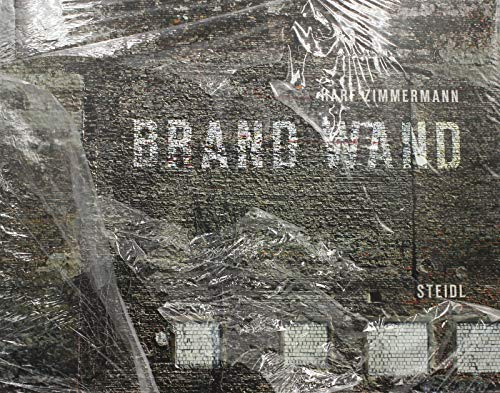
Die aufragenden, auf den ersten Blick leblosen Mauern aufgeschnittener Mietshäuser dominierten nach den Bombardierungen im Zweiten Weltkrieg das Bild deutscher Städte. Brandwände, ursprünglich in die Konstruktion des Hauses integriert und von der Straße aus nicht sichtbar, traten nun schroff hervor. Seither hat der Begriff eine Bedeutung hinzugewonnen: Er bezeichnet auch eine Wand, die der Brand einst verschonte. Zumeist grenzen Brandwände an weitläufige Brachen. Die 'wild' gebrochenen Fensteröffnungen in zufälliger Anordnung sind manchmal auch schon wieder zugemauert. Als Symbole des Zusammenbruchs, des Neubeginns wie des Scheiterns tragen die Mauern die Spuren deutschen Schicksals: Einschusslöcher, Bombensplitter, Ruß, Umrisse vergangener Gebäude, Notreparaturen. Sie sind dicht bewachsen, kahl oder verputzt und mitunter von Graffiti und Werbung überzogen. Nach dem Ende der DDR und im Zuge des seitdem anhaltenden Immobilienbooms wurden viele Altbauten saniert, ihre Brandwände meist übertüncht. Schaut man aber hinter diese Mauern, findet man auf den Innenseiten oft Abdrücke derselben Geschichte, wie die Negativform desselben Gusses. Harf Zimmermann hat über einen Zeitraum von 15 Jahren hinweg gezielt nach solchen Mauern gesucht. Dieses Buch versammelt Beispiele aus dem Osten Deutschlands.
Die Inhaltsangabe kann sich auf eine andere Ausgabe dieses Titels beziehen.
Über die Autorin bzw. den Autor
Harf Zimmermann, 1955 in Dresden geboren, wuchs in Berlin auf. Seinem Journalismus-Studium folgte das Studium der Fotografie bei Arno Fischer an der HGB Leizpig. 1990 war er Gründungsmitglied der Agentur Ostkreuz. Heute arbeitet er für internationale Magazine und die Industrie. Zimmermann lebt in Berlin.
Von der hinteren Coverseite
The soaring, rigid walls of the tenement blocks torn open by the bombing of World War II dominated the German streetscapes of the 1950s. Fire walls, originally integrated in the building and serving as fire shields, suddenly became visible and turned into outer walls. That is how the originally rather technical term got a new meaning: Firewalls as walls spared by the fire. Those long brick walls often adjoin to vast vacant lots once taken up by buildings that were never reerected after the war. Windowssometimes bricked up againcover the walls without any rational order, bearing witness to the troublesome moments of Germanys history, just like smut, traces of bullets, shrapnel holes, the outlines of previous buildings, and provisional repairs. The remarkable housing boom following the fall of East Germany whitewashed most of the scars and overgrew the occasional graffiti and advertisements originally decorating those walls. A look behind them revealslike a negative form of the same castthe imprint of the buildings story.
„Über diesen Titel“ kann sich auf eine andere Ausgabe dieses Titels beziehen.
Suchergebnisse für Brand Wand

Foto des Verkäufers
Brand Wand.
Anbieter: Kloof Booksellers & Scientia Verlag, Amsterdam, Niederlande
Verkäuferbewertung 4 von 5 Sternen

Zustand: as new. Göttingen : Steidl, 2014. Hardcover. 108 pp. - Die aufragenden, auf den ersten Blick leblosen Mauern aufgeschnittener Mietshäuser dominierten nach den Bombardierungen im Zweiten Weltkrieg das Bild deutscher Städte. Brandwände, ursprünglich in die Konstruktion des Hauses integriert und von der Straße aus nicht sichtbar, traten nun schroff hervor. Seither hat der Begriff eine Bedeutung hinzugewonnen: Er bezeichnet auch eine Wand, die der Brand einst verschonte. Zumeist grenzen Brandwände an weitläufige Brachen. Die »wild« gebrochenen Fensteröffnungen in zufälliger Anordnung sind manchmal auch schon wieder zugemauert. Als Symbole des Zusammenbruchs, des Neubeginns wie des Scheiterns tragen die Mauern die Spuren deutschen Schicksals: Einschusslöcher, Bombensplitter, Ruß, Umrisse vergangener Gebäude, Notreparaturen. Sie sind dicht bewachsen, kahl oder verputzt und mitunter von Graffiti und Werbung überzogen. Nach dem Ende der DDR und im Zuge des seitdem anhaltenden Immobilienbooms wurden viele Altbauten saniert, ihre Brandwände meist übertüncht. Schaut man aber hinter diese Mauern, findet man auf den Innenseiten oft Abdrücke derselben Geschichte, wie die Negativform desselben Gusses. Harf Zimmermann hat über einen Zeitraum von 15 Jahren hinweg gezielt nach solchen Mauern gesucht. Dieses Buch versammelt Beispiele aus dem Osten Deutschlands. Condition : as new copy. ISBN 9783869306285. Keywords : ART, Bestandsnummer des Verkäufers 307122
Gebraucht kaufen
EUR 33,95
EUR 30,00 Versand
Versand von Niederlande nach USA
Versand von Niederlande nach USA
Anzahl: 1 verfügbar
Beispielbild für diese ISBN
Harf Zimmermann
Anbieter: PBShop.store UK, Fairford, GLOS, Vereinigtes Königreich
Verkäuferbewertung 5 von 5 Sternen

HRD. Zustand: New. New Book. Shipped from UK. Established seller since 2000. Bestandsnummer des Verkäufers HU-9783869306285
Neu kaufen
EUR 55,33
EUR 10,91 Versand
Versand von Vereinigtes Königreich nach USA
Versand von Vereinigtes Königreich nach USA
Anzahl: 15 verfügbar
Beispielbild für diese ISBN
Harf Zimmermann: Brand Wand
Anbieter: Brook Bookstore On Demand, Napoli, NA, Italien
Verkäuferbewertung 5 von 5 Sternen
Zustand: new. Bestandsnummer des Verkäufers df05310cef71850d33353c523194a2e6
Neu kaufen
EUR 56,83
EUR 13,50 Versand
Versand von Italien nach USA
Versand von Italien nach USA
Anzahl: 5 verfügbar
Beispielbild für diese ISBN
Brand Wand
Verlag:
Gerhard Steidl Druckerei und Verlag, 2015
ISBN 10: 3869306289
ISBN 13: 9783869306285
Neu
Hardcover
Anbieter: Majestic Books, Hounslow, Vereinigtes Königreich
Verkäuferbewertung 4 von 5 Sternen
Zustand: New. pp. 128. Bestandsnummer des Verkäufers 53990182
Neu kaufen
EUR 67,79
EUR 7,58 Versand
Versand von Vereinigtes Königreich nach USA
Versand von Vereinigtes Königreich nach USA
Anzahl: 3 verfügbar
Beispielbild für diese ISBN
Harf Zimmermann
Anbieter: PBShop.store US, Wood Dale, IL, USA
Verkäuferbewertung 5 von 5 Sternen
HRD. Zustand: New. New Book. Shipped from UK. Established seller since 2000. Bestandsnummer des Verkäufers HU-9783869306285
Beispielbild für diese ISBN
Harf Zimmermann (Hardcover)
Anbieter: Grand Eagle Retail, Bensenville, IL, USA
Verkäuferbewertung 5 von 5 Sternen
Hardcover. Zustand: new. Hardcover. The soaring, rigid walls of the tenement blocks torn open by the bombing of World War II dominated the German streetscapes of the 1950s. Fire walls, originally integrated in the building and serving as fire shields, suddenly became visible and turned into outer walls. That is how the originally rather technical term got a new meaning: Firewalls as walls spared by the fire. Those long brick walls often adjoin to vast vacant lots once taken up by buildings that were never reerected after the war. Windows-sometimes bricked up again-cover the walls without any rational order, bearing witness to the troublesome moments of Germany's history, just like smut, traces of bullets, shrapnel holes, the outlines of previous buildings, and provisional repairs. The remarkable housing boom following the fall of East Germany whitewashed most of the scars and overgrew the occasional graffiti and advertisements originally decorating those walls. A look behind them reveals-like a negative form of the same cast-the imprint of the building's story. The soaring, rigid walls of the tenement blocks torn open by the bombing of World War II dominated the German streetscapes of the 1950s. Fire walls, originally integrated in the building and serving as fire shields, became visible and turned into outer walls. That is how the technical term got a meaning. This book deals with this topic. Shipping may be from multiple locations in the US or from the UK, depending on stock availability. Bestandsnummer des Verkäufers 9783869306285
Beispielbild für diese ISBN
Harf Zimmermann
Verlag:
Steidl Publishers, 2015
ISBN 10: 3869306289
ISBN 13: 9783869306285
Neu
Hardcover
Erstausgabe
Anbieter: Kennys Bookshop and Art Galleries Ltd., Galway, GY, Irland
Verkäuferbewertung 5 von 5 Sternen
Zustand: New. The soaring, rigid walls of the tenement blocks torn open by the bombing of World War II dominated the German streetscapes of the 1950s. Fire walls, originally integrated in the building and serving as fire shields, became visible and turned into outer walls. That is how the technical term got a meaning. This book deals with this topic. Num Pages: 108 pages, illustrations. BIC Classification: AJB. Category: (G) General (US: Trade). Dimension: 388 x 309 x 21. Weight in Grams: 1834. . 2015. 01st Edition. Hardcover. . . . . Bestandsnummer des Verkäufers V9783869306285
Neu kaufen
EUR 85,77
EUR 9,50 Versand
Versand von Irland nach USA
Versand von Irland nach USA
Anzahl: Mehr als 20 verfügbar
Beispielbild für diese ISBN
Brand Wand
Verlag:
Gerhard Steidl Druckerei und Verlag, 2015
ISBN 10: 3869306289
ISBN 13: 9783869306285
Neu
Hardcover
Anbieter: Biblios, Frankfurt am main, HESSE, Deutschland
Verkäuferbewertung 4 von 5 Sternen
Zustand: New. pp. 128. Bestandsnummer des Verkäufers 1854553843
Neu kaufen
EUR 92,58
EUR 9,95 Versand
Versand von Deutschland nach USA
Versand von Deutschland nach USA
Anzahl: 3 verfügbar
Beispielbild für diese ISBN
Harf Zimmermann
Anbieter: Kennys Bookstore, Olney, MD, USA
Verkäuferbewertung 5 von 5 Sternen
Zustand: New. The soaring, rigid walls of the tenement blocks torn open by the bombing of World War II dominated the German streetscapes of the 1950s. Fire walls, originally integrated in the building and serving as fire shields, became visible and turned into outer walls. That is how the technical term got a meaning. This book deals with this topic. Num Pages: 108 pages, illustrations. BIC Classification: AJB. Category: (G) General (US: Trade). Dimension: 388 x 309 x 21. Weight in Grams: 1834. . 2015. 01st Edition. Hardcover. . . . . Books ship from the US and Ireland. Bestandsnummer des Verkäufers V9783869306285
Neu kaufen
EUR 94,95
EUR 9,17 Versand
Versand innerhalb von USA
Versand innerhalb von USA
Anzahl: Mehr als 20 verfügbar
Foto des Verkäufers
Harf Zimmermann: Brand Wand
Verlag:
Steidl Verlag, Göttingen, 2015
ISBN 10: 3869306289
ISBN 13: 9783869306285
Gebraucht
Hardcover
Erstausgabe
Anbieter: Buchplatz.ch, Zürich, ZH, Schweiz
Verkäuferbewertung 5 von 5 Sternen
Hardcover. Zustand: Wie neu. Zustand des Schutzumschlags: Wie neu. 1. Auflage. Though these pictures appear like magnificent modern paintings, they are in fact a deeper unconscious social artistic expression of an urban re-development that historical events since the Gründerzeit have fermented and brought to the surface. Robert Polidori. Leineneinband mit Schutzumschlag 108 Seiten, 37.5 x 29.5 cm. Bestandsnummer des Verkäufers St 05_16
Gebraucht kaufen
EUR 58,00
EUR 48,00 Versand
Versand von Schweiz nach USA
Versand von Schweiz nach USA
Anzahl: 1 verfügbar