
Verwandte Artikel zu Mobile Screens: The Visual Regime of Navigation (Mediamatter...
Inhaltsangabe
As far as interaction with screens is concerned, the given technology of particular interactive devices entails an ambiguous status of screens: what is shown on the screen has to do with how one interacts with it, that is, we can almost literally see what we are doing. This study is devoted to a theoretical exploration of intersections between mobility and visuality from a historical-comparative perspective, addressing the mobility of visual experience and the screen-based access to such experiences in a range of case studies. The author develops the concept through five chapters and analyzes a variety of contemporary screen technologies and the cultural practices involving these screen-based configurations - the ways in which we engage with screens as interfaces with spatial, temporal, and haptic experiences.
Die Inhaltsangabe kann sich auf eine andere Ausgabe dieses Titels beziehen.
Über die Autorinnen und Autoren
Nanna Verhoeff is associate professor of comparative media studies at Utrecht University.
Nanna Verhoeff is Professor of Screen Cultures and Society in the Department of Media and Culture Studies of the Faculty of Humanities at Utrecht University. She dedicates her research both to the comparative study of screen media, and to the development of methods and concepts for the creative humanities. Previous publications include The West in Early Cinema: After the Beginning and Mobile Screens: The Visual Regime of Navigation – both published with Amsterdam University Press. This current book on urban screens completes this trilogy, which proposes methods and concepts for comparing and analyzing screen media across times and places.
Von der hinteren Coverseite
As far as interaction with screens is concerned, the given technology of particular interactive devices entails an ambiguous status of screens: what is shown on the screen has to do with how one interacts with it, that is, we can almost literally see what we are doing. This study is devoted to a theoretical exploration of intersections between mobility and visuality from a historical-comparative perspective, addressing the mobility of visual experience and the screen-based access to such experiences in a range of case studies.The author develops the concept through five chapters and analyzes a variety of contemporary screen technologies and the cultural practices involving these screen-based configurations – the ways in which we engage with screens as interfaces with spatial, temporal, and haptic experiences.
Aus dem Klappentext
As far as interaction with screens is concerned, the given technology of particular interactive devices entails an ambiguous status of screens: what is shown on the screen has to do with how one interacts with it, that is, we can almost literally see what we are doing. This study is devoted to a theoretical exploration of intersections between mobility and visuality from a historical-comparative perspective, addressing the mobility of visual experience and the screen-based access to such experiences in a range of case studies.The author develops the concept through five chapters and analyzes a variety of contemporary screen technologies and the cultural practices involving these screen-based configurations the ways in which we engage with screens as interfaces with spatial, temporal, and haptic experiences.
„Über diesen Titel“ kann sich auf eine andere Ausgabe dieses Titels beziehen.
Suchergebnisse für Mobile Screens: The Visual Regime of Navigation (Mediamatter...

Beispielbild für diese ISBN
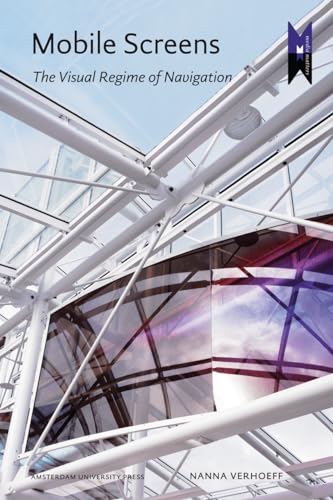
Mobile Screens: The Visual Regime of Navigation (MediaMatters)
Verlag:
Amsterdam University Press, 2012
ISBN 10: 9089643796
ISBN 13: 9789089643797
Gebraucht
Paperback
Anbieter: Midtown Scholar Bookstore, Harrisburg, PA, USA
Verkäuferbewertung 5 von 5 Sternen

Paperback. Zustand: Good. Good - Bumped and creased book with tears to the extremities, but not affecting the text block, may have remainder mark or previous owner's name - GOOD Standard-sized. Bestandsnummer des Verkäufers M9089643796Z3
Gebraucht kaufen
EUR 17,08
EUR 5,20 Versand
Versand innerhalb von USA
Versand innerhalb von USA
Anzahl: 1 verfügbar
Beispielbild für diese ISBN
Mobile Screens: The Visual Regime of Navigation (MediaMatters)
Verlag:
Amsterdam University Press, 2012
ISBN 10: 9089643796
ISBN 13: 9789089643797
Gebraucht
Paperback
Anbieter: Midtown Scholar Bookstore, Harrisburg, PA, USA
Verkäuferbewertung 5 von 5 Sternen
Paperback. Zustand: Acceptable. Acceptable - This is a significantly damaged book. It should be considered a reading copy only. Please order this book only if you are interested in the content and not the condition. May be ex-library. PAPERBACK Standard-sized. Bestandsnummer des Verkäufers M9089643796Z4
Gebraucht kaufen
EUR 17,99
EUR 5,20 Versand
Versand innerhalb von USA
Versand innerhalb von USA
Anzahl: 1 verfügbar
Beispielbild für diese ISBN
Mobile Screens: The Visual Regime of Navigation (MediaMatters)
Verlag:
Amsterdam University Press, 2012
ISBN 10: 9089643796
ISBN 13: 9789089643797
Gebraucht
Softcover
Anbieter: PAPER CAVALIER US, Brooklyn, NY, USA
Verkäuferbewertung 5 von 5 Sternen
Zustand: very good. Gently used. May include previous owner's signature or bookplate on the front endpaper, sticker on back and/or remainder mark on text block. Bestandsnummer des Verkäufers 9789089643797-3
Gebraucht kaufen
EUR 43,64
Versand gratis
Versand innerhalb von USA
Versand innerhalb von USA
Anzahl: 1 verfügbar
Beispielbild für diese ISBN
Mobile Screens : the Visual Regime of Navigation
Anbieter: BWS BKS, Ferndale, NY, USA
Verkäuferbewertung 2 von 5 Sternen

Paperback. Zustand: New. Our interactions with screens have changed profoundly over the past several decadesâ" from the development of mobile devices to the continued importance of digital technology, the intersection of mobility and visuality is a fascinating and timely subject for study. Looking at the cultural practices that ground our relationship with screens, Nanna Verhoeff offers a historical and comparative approach to screen-based media and digital culture. This smart, sharp addition to the field of media studies focuses on the innovation and transformation of mobile, urban, and location-based screens.An important work for scholars who study technology, geography, and art, Mobile Screens offers a powerful look at the emergent visual culture of navigation and the way in which we engage with screens as part of our spatial, temporal, and tangible experiences of the world. Bestandsnummer des Verkäufers 98771
Neu kaufen
EUR 1.764,18
EUR 2,60 Versand
Versand innerhalb von USA
Versand innerhalb von USA
Anzahl: 1 verfügbar