Kay Williams
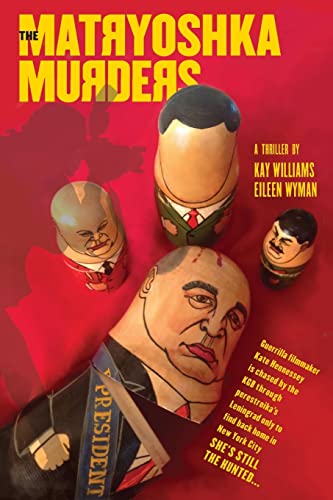
Kay Williams is a successful author and professional actress whose stage career has included leading roles at theaters across the United States. Her years working with an independent New York filmmaker took her behind the camera as well—most memorably to Leningrad in 1991, where the atmosphere of a city on the brink sparked the idea for The Matryoshka Murders.
Her writing partner, Eileen “Jo” Wyman, helped shape the project, organizing photos and notes from the trip as they built the story together. Jo, who passed away in 2013 just after the book’s completion, had a long career in radio‑TV and comedy writing, known for her sharp wit, love of wordplay, and file boxes filled with pithy observations.
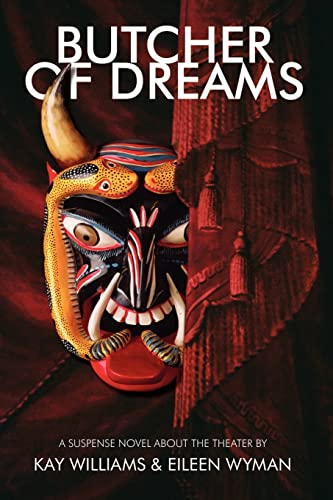
Their move to the gritty Hell’s Kitchen of 1977 later inspired their award‑winning thriller Butcher of Dreams, set inside a struggling 42nd Street repertory theater—a world enriched by Kay’s extensive acting and backstage experience.
Kay is also co‑author of the comic romance One Last Dance: It’s Never Too Late to Fall in Love, begun by her journalist father, Mardo Williams, and completed by Kay and her sister Jerri Lawrence. The book received multiple honors, including an Ohioana Award for writing and editing excellence.
Coming next (dedicated to Jo, who passed away in 2013) - Shadows of Leningrad by Kay Williams, a sequel to The Matryoshka Murders: Kate and Gilly think they’re finally safe—until filmmaker Dominick Block is found with his skull fractured and the clues point straight back to the enemies they thought were gone. As they chase a deadly conspiracy through New York’s underworld, Kate is also racing to finish Dominick’s low budget film before the production collapses. Two ticking clocks. One city full of shadows. Survival means outrunning both.
Beliebte Artikel von Kay Williams
Alle Angebote anzeigen-
One Last Dance: It's Never Too Late to Fall in Love
Williams, Mardo; Williams, Kay; Lawrence, Jerri W.
Artikelpreise ab
37 Angebote anzeigenEUR 5,87
-
-