
Logic multiparty systems (15 Ergebnisse)

- Hardcover
Anbieter: -OnTimeBooks-, Phoenix, AZ, USA-OnTimeBooks-
Verkäufer/-in kontaktierenVerkäufer/-in mit 5 SternenZustand: Gebraucht - Befriedigend
EUR 17,93
Versand gratisVersand innerhalb von USAAnzahl: 1 verfügbar
Zustand: good. A copy that has been read, remains in good condition. All pages are intact, and the cover is intact. The spine and cover show signs of wear. Pages can include notes and highlighting and show signs of wear, and the copy can include "From the library of" labels or previous owner inscriptions. 100% GUARANTEE! Shipped with delivery confirmation, if you're not satisfied with purchase please return item! Ships via media mail.…

- Hardcover
Anbieter: Ammareal, Morangis, FrankreichAmmareal
Verkäufer/-in kontaktierenVerkäufer/-in mit 5 SternenZustand: Gebraucht - Sehr gut
EUR 6,49
EUR 16,50 VersandVersand von Frankreich nach USAAnzahl: 1 verfügbar
Hardcover. Zustand: Très bon. Ancien livre de bibliothèque avec équipements. Edition 1987. Tome 17. Ammareal reverse jusqu'à 15% du prix net de cet article à des organisations caritatives. ENGLISH DESCRIPTION Book Condition: Used, Very good. Former library book. Edition 1987. Volume 17. Ammareal gives back up to 15% of this item's net price to charity organizations.…
- Hardcover
Anbieter: Books From California, Simi Valley, CA, USABooks From California
Verkäufer/-in kontaktierenVerkäufer/-in mit 4 SternenZustand: Gebraucht - Befriedigend
EUR 49,45
EUR 4,46 VersandVersand innerhalb von USAAnzahl: 1 verfügbar
hardcover. Zustand: Good. Copy shows light wear, but is in otherwise good condition.

- Softcover
Anbieter: GreatBookPrices, Columbia, MD, USAGreatBookPrices
Verkäufer/-in kontaktierenVerkäufer/-in mit 5 SternenZustand: Neu
EUR 53,64
EUR 2,36 VersandVersand innerhalb von USAAnzahl: 15 verfügbar
Zustand: New.

- Softcover
Anbieter: Chiron Media, Wallingford, Vereinigtes KönigreichChiron Media
Verkäufer/-in kontaktierenVerkäufer/-in mit 5 SternenZustand: Neu
EUR 58,39
EUR 18,31 VersandVersand von Vereinigtes Königreich nach USAAnzahl: 10 verfügbar
Paperback. Zustand: New.
- Softcover
Anbieter: Ria Christie Collections, Uxbridge, Vereinigtes KönigreichRia Christie Collections
Verkäufer/-in kontaktierenVerkäufer/-in mit 5 SternenZustand: Neu
EUR 68,05
EUR 13,34 VersandVersand von Vereinigtes Königreich nach USAAnzahl: Mehr als 20 verfügbar
Zustand: New. In English.
- Softcover
Anbieter: Revaluation Books, Exeter, Vereinigtes KönigreichRevaluation Books
Verkäufer/-in kontaktierenVerkäufer/-in mit 5 SternenZustand: Neu
EUR 83,88
EUR 14,77 VersandVersand von Vereinigtes Königreich nach USAAnzahl: 2 verfügbar
Paperback. Zustand: Brand New. 452 pages. 9.25x6.10x1.02 inches. In Stock.

- Softcover
Anbieter: AHA-BUCH GmbH, Einbeck, DeutschlandAHA-BUCH GmbH
Verkäufer/-in kontaktierenVerkäufer/-in mit 5 SternenZustand: Neu
EUR 66,40
EUR 35,00 VersandVersand von Deutschland nach USAAnzahl: 1 verfügbar
Taschenbuch. Zustand: Neu. Druck auf Anfrage Neuware - Printed after ordering - What determines the number of political parties in a democracy Electoral rules certainly influence the incentives to create and maintain parties. However, a society's political culture can maintain parties despite electoral rules that give them poor prospects of success. Thus, comparing the number of parties and differences in electoral rules across countries cannot clearly test the effect of the electoral rules. A better test would examine a society with a fairly continuous political culture, but a change in electoral rules. Postwar France is such a society. While the basic social order has not changed, there was a drastic change in the electoral system in 1958, which theory implies would reduce the number of parties. Thus we can test the hypothesis that the number of parties fell with the change in electoral system. We can also calculate an ' equivalent number of parties to see how closely France approached a two - party system under the new regime. The first section describes the electoral rules under the Fourth and Fifth Republics. The second section develops a model that indicates how the change in electoral rules should have affected the incentives for multiple parties. The third section tests the hypothesis that the number of parties fell from the Fourth to the Fifth Republic. 1. Electoral Rules In the French Fourth Republic (1945 - 1958) political parties existed largely to serve the direct interests of their members.…
- Softcover
Anbieter: Mispah books, Redhill, SURRE, Vereinigtes KönigreichMispah books
Verkäufer/-in kontaktierenVerkäufer/-in mit 4 SternenZustand: Gebraucht - Wie neu
EUR 113,20
EUR 29,54 VersandVersand von Vereinigtes Königreich nach USAAnzahl: 1 verfügbar
Paperback. Zustand: Like New. LIKE NEW. SHIPS FROM MULTIPLE LOCATIONS. book.
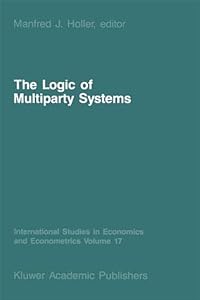
- Softcover
Anbieter: GreatBookPrices, Columbia, MD, USAGreatBookPrices
Verkäufer/-in kontaktierenVerkäufer/-in mit 5 SternenZustand: Gebraucht - Wie neu
EUR 144,89
EUR 2,36 VersandVersand innerhalb von USAAnzahl: 15 verfügbar
Zustand: As New. Unread book in perfect condition.
- Hardcover
Anbieter: Buchpark, Trebbin, DeutschlandBuchpark
Verkäufer/-in kontaktierenVerkäufer/-in mit 5 SternenZustand: Gebraucht - Gut
EUR 45,43
EUR 105,00 VersandVersand von Deutschland nach USAAnzahl: 1 verfügbar
Zustand: Gut. Zustand: Gut | Seiten: 446 | Sprache: Englisch | Produktart: Bücher | What determines the number of political parties in a democracy? Electoral rules certainly influence the incentives to create and maintain parties. However, a society's political culture can maintain parties despite electoral rules that give them poor prospects of success. Thus, comparing the number of parties and differences in electoral rules across countries cannot clearly test the effect of the electoral rules. A better test would examine a society with a fairly continuous political culture, but a change in electoral rules. Postwar France is such a society. While the basic social order has not changed, there was a drastic change in the electoral system in 1958, which theory implies would reduce the number of parties. Thus we can test the hypothesis that the number of parties fell with the change in electoral system. We can also calculate an " equivalent number of parties· to see how closely France approached a two - party system under the new regime. The first section describes the electoral rules under the Fourth and Fifth Republics. The second section develops a model that indicates how the change in electoral rules should have affected the incentives for multiple parties. The third section tests the hypothesis that the number of parties fell from the Fourth to the Fifth Republic. 1. Electoral Rules In the French Fourth Republic (1945 - 1958) political parties existed largely to serve the direct interests of their members.…
- Softcover
- Print-on-Demand
Anbieter: Brook Bookstore On Demand, Napoli, NA, ItalienBrook Bookstore On Demand
Verkäufer/-in kontaktierenVerkäufer/-in mit 5 SternenZustand: Neu
EUR 46,22
EUR 6,80 VersandVersand von Italien nach USAAnzahl: Mehr als 20 verfügbar
Zustand: new. Questo è un articolo print on demand.

- Softcover
- Print-on-Demand
Anbieter: BuchWeltWeit Ludwig Meier e.K., Bergisch Gladbach, DeutschlandBuchWeltWeit Ludwig Meier e.K.
Verkäufer/-in kontaktierenVerkäufer/-in mit 5 SternenZustand: Neu
EUR 53,49
EUR 23,00 VersandVersand von Deutschland nach USAAnzahl: 2 verfügbar
Taschenbuch. Zustand: Neu. This item is printed on demand - it takes 3-4 days longer - Neuware -What determines the number of political parties in a democracy Electoral rules certainly influence the incentives to create and maintain parties. However, a society's political culture can maintain parties despite electoral rules that give them poor prospects of success. Thus, comparing the number of parties and differences in electoral rules across countries cannot clearly test the effect of the electoral rules. A better test would examine a society with a fairly continuous political culture, but a change in electoral rules. Postwar France is such a society. While the basic social order has not changed, there was a drastic change in the electoral system in 1958, which theory implies would reduce the number of parties. Thus we can test the hypothesis that the number of parties fell with the change in electoral system. We can also calculate an ' equivalent number of parties to see how closely France approached a two - party system under the new regime. The first section describes the electoral rules under the Fourth and Fifth Republics. The second section develops a model that indicates how the change in electoral rules should have affected the incentives for multiple parties. The third section tests the hypothesis that the number of parties fell from the Fourth to the Fifth Republic. 1. Electoral Rules In the French Fourth Republic (1945 - 1958) political parties existed largely to serve the direct interests of their members. 452 pp. Englisch.…

- Softcover
- Print-on-Demand
Anbieter: moluna, Greven, Deutschlandmoluna
Verkäufer/-in kontaktierenVerkäufer/-in mit 5 SternenZustand: Neu
EUR 48,37
EUR 48,99 VersandVersand von Deutschland nach USAAnzahl: Mehr als 20 verfügbar
Zustand: New. Dieser Artikel ist ein Print on Demand Artikel und wird nach Ihrer Bestellung fuer Sie gedruckt. What determines the number of political parties in a democracy? Electoral rules certainly influence the incentives to create and maintain parties. However, a society s political culture can maintain parties despite electoral rules that give them poor prospe.…

- Softcover
- Print-on-Demand
Anbieter: buchversandmimpf2000, Emtmannsberg, BAYE, Deutschlandbuchversandmimpf2000
Verkäufer/-in kontaktierenVerkäufer/-in mit 5 SternenZustand: Neu
EUR 53,49
EUR 60,00 VersandVersand von Deutschland nach USAAnzahl: 1 verfügbar
Taschenbuch. Zustand: Neu. This item is printed on demand - Print on Demand Titel. Neuware -What determines the number of political parties in a democracy Electoral rules certainly influence the incentives to create and maintain parties. However, a society's political culture can maintain parties despite electoral rules that give them poor prospects of success. Thus, comparing the number of parties and differences in electoral rules across countries cannot clearly test the effect of the electoral rules. A better test would examine a society with a fairly continuous political culture, but a change in electoral rules. Postwar France is such a society. While the basic social order has not changed, there was a drastic change in the electoral system in 1958, which theory implies would reduce the number of parties. Thus we can test the hypothesis that the number of parties fell with the change in electoral system. We can also calculate an ' equivalent number of parties to see how closely France approached a two - party system under the new regime. The first section describes the electoral rules under the Fourth and Fifth Republics. The second section develops a model that indicates how the change in electoral rules should have affected the incentives for multiple parties. The third section tests the hypothesis that the number of parties fell from the Fourth to the Fifth Republic. 1. Electoral Rules In the French Fourth Republic (1945 - 1958) political parties existed largely to serve the direct interests of their members.Springer-Verlag GmbH, Tiergartenstr. 17, 69121 Heidelberg 452 pp. Englisch.…


