
Verwandte Artikel zu Faces of Perfect Ebony: Encountering Atlantic Slavery...
Faces of Perfect Ebony: Encountering Atlantic Slavery in Imperial Britain (Harvard Historical Studies, 175) - Hardcover
Inhaltsangabe
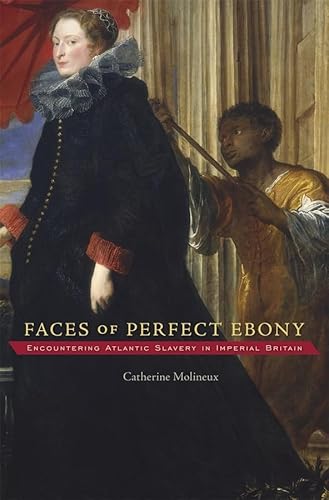
<p>Though blacks were not often seen on the streets of seventeenth-century London, they were already capturing the British imagination. For two hundred years, as Britain shipped over three million Africans to the New World, popular images of blacks as slaves and servants proliferated in London art, both highbrow and low. Catherine Molineux assembles a surprising array of sources in her exploration of this emerging black presence, from shop signs, tea trays, trading cards, board games, playing cards, and song ballads to more familiar objects such as William Hogarth’s graphic satires. By idealizing black servitude and obscuring the brutalities of slavery, these images of black people became symbols of empire to a general populace that had little contact with the realities of slave life in the distant Americas and Caribbean.<br><br>The earliest images advertised the opulence of the British Empire by depicting black slaves and servants as minor, exotic characters who gazed adoringly at their masters. Later images showed Britons and Africans in friendly gatherings, smoking tobacco together, for example. By 1807, when Britain abolished the slave trade and thousands of people of African descent were living in London as free men and women, depictions of black laborers in local coffee houses, taverns, or kitchens took center stage.<br><br>Molineux’s well-crafted account provides rich evidence for the role that human traffic played in the popular consciousness and culture of Britain during the seventeenth and eighteenth centuries and deepens our understanding of how Britons imagined their burgeoning empire.</p>
Die Inhaltsangabe kann sich auf eine andere Ausgabe dieses Titels beziehen.
Über die Autorin bzw. den Autor
Catherine Molineux is Assistant Professor of History at Vanderbilt University.
„Über diesen Titel“ kann sich auf eine andere Ausgabe dieses Titels beziehen.
Suchergebnisse für Faces of Perfect Ebony: Encountering Atlantic Slavery...

Beispielbild für diese ISBN
Faces of Perfect Ebony
Anbieter: PBShop.store UK, Fairford, GLOS, Vereinigtes Königreich
Verkäuferbewertung 5 von 5 Sternen

HRD. Zustand: New. New Book. Shipped from UK. Established seller since 2000. Bestandsnummer des Verkäufers WH-9780674050082
Neu kaufen
EUR 53,49
EUR 7,02 Versand
Versand von Vereinigtes Königreich nach USA
Versand von Vereinigtes Königreich nach USA
Anzahl: 6 verfügbar
Foto des Verkäufers
Faces of Perfect Ebony : Encountering Atlantic Slavery in Imperial Britain
Anbieter: GreatBookPrices, Columbia, MD, USA
Verkäuferbewertung 5 von 5 Sternen
Zustand: New. Bestandsnummer des Verkäufers 12478084-n
Neu kaufen
EUR 59,90
EUR 2,38 Versand
Versand innerhalb von USA
Versand innerhalb von USA
Anzahl: 1 verfügbar
Foto des Verkäufers
Faces of Perfect Ebony
Anbieter: Rarewaves.com USA, London, LONDO, Vereinigtes Königreich
Verkäuferbewertung 5 von 5 Sternen
Hardback. Zustand: New. Though blacks were not often seen on the streets of seventeenth-century London, they were already capturing the British imagination. For two hundred years, as Britain shipped over three million Africans to the New World, popular images of blacks as slaves and servants proliferated in London art, both highbrow and low. Catherine Molineux assembles a surprising array of sources in her exploration of this emerging black presence, from shop signs, tea trays, trading cards, board games, playing cards, and song ballads to more familiar objects such as William Hogarth's graphic satires. By idealizing black servitude and obscuring the brutalities of slavery, these images of black people became symbols of empire to a general populace that had little contact with the realities of slave life in the distant Americas and Caribbean.The earliest images advertised the opulence of the British Empire by depicting black slaves and servants as minor, exotic characters who gazed adoringly at their masters. Later images showed Britons and Africans in friendly gatherings, smoking tobacco together, for example. By 1807, when Britain abolished the slave trade and thousands of people of African descent were living in London as free men and women, depictions of black laborers in local coffee houses, taverns, or kitchens took center stage.Molineux's well-crafted account provides rich evidence for the role that human traffic played in the popular consciousness and culture of Britain during the seventeenth and eighteenth centuries and deepens our understanding of how Britons imagined their burgeoning empire. Bestandsnummer des Verkäufers LU-9780674050082
Neu kaufen
EUR 64,06
Versand gratis
Versand von Vereinigtes Königreich nach USA
Versand von Vereinigtes Königreich nach USA
Anzahl: 3 verfügbar
Beispielbild für diese ISBN
Faces of Perfect Ebony: Encountering Atlantic Slavery in Imperial Britain (Harvard Historical Studies)
Verlag:
Harvard University Press 2012-01-03, 2012
ISBN 10: 0674050088
ISBN 13: 9780674050082
Neu
Hardcover
Anbieter: Chiron Media, Wallingford, Vereinigtes Königreich
Verkäuferbewertung 5 von 5 Sternen
Hardcover. Zustand: New. Brand new book, sourced directly from publisher. Dispatch time is 24-48 hours from our warehouse. Book will be sent in robust, secure packaging to ensure it reaches you securely. Bestandsnummer des Verkäufers 6666-GRD-9780674050082
Neu kaufen
EUR 59,30
EUR 7,77 Versand
Versand von Vereinigtes Königreich nach USA
Versand von Vereinigtes Königreich nach USA
Anzahl: 1 verfügbar
Foto des Verkäufers
Faces of Perfect Ebony : Encountering Atlantic Slavery in Imperial Britain
Verlag:
Harvard University Press, 2012
ISBN 10: 0674050088
ISBN 13: 9780674050082
Gebraucht
Hardcover
Anbieter: GreatBookPrices, Columbia, MD, USA
Verkäuferbewertung 5 von 5 Sternen
Zustand: As New. Unread book in perfect condition. Bestandsnummer des Verkäufers 12478084
Gebraucht kaufen
EUR 66,55
EUR 2,38 Versand
Versand innerhalb von USA
Versand innerhalb von USA
Anzahl: 1 verfügbar
Beispielbild für diese ISBN
Faces of Perfect Ebony - Encountering Atlantic Slavery in Imperial Britain (eng)
Anbieter: Brook Bookstore On Demand, Napoli, NA, Italien
Verkäuferbewertung 5 von 5 Sternen
Zustand: new. Bestandsnummer des Verkäufers 6aaa61e0b79cdfb361b210dcfcec5331
Neu kaufen
EUR 63,71
EUR 6,80 Versand
Versand von Italien nach USA
Versand von Italien nach USA
Anzahl: 6 verfügbar
Beispielbild für diese ISBN
Faces of Perfect Ebony (Hardcover)
Verlag:
Harvard University Press, Cambridge, Mass, 2012
ISBN 10: 0674050088
ISBN 13: 9780674050082
Neu
Hardcover
Anbieter: Grand Eagle Retail, Bensenville, IL, USA
Verkäuferbewertung 5 von 5 Sternen
Hardcover. Zustand: new. Hardcover. Though blacks were not often seen on the streets of seventeenth-century London, they were already capturing the British imagination. For two hundred years, as Britain shipped over three million Africans to the New World, popular images of blacks as slaves and servants proliferated in London art, both highbrow and low. Catherine Molineux assembles a surprising array of sources in her exploration of this emerging black presence, from shop signs, tea trays, trading cards, board games, playing cards, and song ballads to more familiar objects such as William Hogarth's graphic satires. By idealizing black servitude and obscuring the brutalities of slavery, these images of black people became symbols of empire to a general populace that had little contact with the realities of slave life in the distant Americas and Caribbean.The earliest images advertised the opulence of the British Empire by depicting black slaves and servants as minor, exotic characters who gazed adoringly at their masters. Later images showed Britons and Africans in friendly gatherings, smoking tobacco together, for example. By 1807, when Britain abolished the slave trade and thousands of people of African descent were living in London as free men and women, depictions of black laborers in local coffee houses, taverns, or kitchens took center stage.Molineux's well-crafted account provides rich evidence for the role that human traffic played in the popular consciousness and culture of Britain during the seventeenth and eighteenth centuries and deepens our understanding of how Britons imagined their burgeoning empire. Though blacks were not often seen on the streets of seventeenth-century London, they were already capturing the British imagination. In her exploration of this emerging black presence, Molineux assembles evidence ranging from shop signs, tea trays, trading cards, board games, and playing cards to song ballads and William Hogarths graphic satires. Shipping may be from multiple locations in the US or from the UK, depending on stock availability. Bestandsnummer des Verkäufers 9780674050082
Beispielbild für diese ISBN
Faces of Perfect Ebony: Encountering Atlantic Slavery in Imperial Britain
Anbieter: Kennys Bookshop and Art Galleries Ltd., Galway, GY, Irland
Verkäuferbewertung 5 von 5 Sternen
Zustand: New. Though blacks were not often seen on the streets of seventeenth-century London, they were already capturing the British imagination. In her exploration of this emerging black presence, Molineux assembles evidence ranging from shop signs, tea trays, trading cards, board games, and playing cards to song ballads and William Hogarth's graphic satires. Series: Harvard Historical Studies. Num Pages: 374 pages, 17 color illustrations, 69 halftones. BIC Classification: 1QDB; 3J; HBJD1; HBLH; HBLL; HBTS. Category: (G) General (US: Trade). Dimension: 244 x 167 x 27. Weight in Grams: 722. . 2012. Hardcover. . . . . Bestandsnummer des Verkäufers V9780674050082
Neu kaufen
EUR 66,85
EUR 9,50 Versand
Versand von Irland nach USA
Versand von Irland nach USA
Anzahl: 1 verfügbar
Foto des Verkäufers
Faces of Perfect Ebony : Encountering Atlantic Slavery in Imperial Britain
Anbieter: GreatBookPricesUK, Woodford Green, Vereinigtes Königreich
Verkäuferbewertung 5 von 5 Sternen
Zustand: New. Bestandsnummer des Verkäufers 12478084-n
Neu kaufen
EUR 60,12
EUR 17,95 Versand
Versand von Vereinigtes Königreich nach USA
Versand von Vereinigtes Königreich nach USA
Anzahl: 1 verfügbar
Foto des Verkäufers
Faces of Perfect Ebony : Encountering Atlantic Slavery in Imperial Britain
Verlag:
Harvard University Press, 2012
ISBN 10: 0674050088
ISBN 13: 9780674050082
Gebraucht
Hardcover
Anbieter: GreatBookPricesUK, Woodford Green, Vereinigtes Königreich
Verkäuferbewertung 5 von 5 Sternen
Zustand: As New. Unread book in perfect condition. Bestandsnummer des Verkäufers 12478084
Gebraucht kaufen
EUR 66,93
EUR 17,95 Versand
Versand von Vereinigtes Königreich nach USA
Versand von Vereinigtes Königreich nach USA
Anzahl: 1 verfügbar