

Gesamtpreis (1 Artikel Artikel):
Versandziel:

hayter hames (77 Ergebnisse)
Direkt zu den wichtigsten Suchergebnissen
Suchfilter
Produktart
- Alle Product Types
- Bücher (77)
- Magazine & Zeitschriften (Keine weiteren Ergebnisse entsprechen dieser Verfeinerung)
- Comics (Keine weiteren Ergebnisse entsprechen dieser Verfeinerung)
- Noten (Keine weiteren Ergebnisse entsprechen dieser Verfeinerung)
- Kunst, Grafik & Poster (Keine weiteren Ergebnisse entsprechen dieser Verfeinerung)
- Fotografien (Keine weiteren Ergebnisse entsprechen dieser Verfeinerung)
- Karten (Keine weiteren Ergebnisse entsprechen dieser Verfeinerung)
- Manuskripte & Papierantiquitäten (Keine weiteren Ergebnisse entsprechen dieser Verfeinerung)
Zustand Mehr dazu
Einband
Weitere Eigenschaften
Sprache (2)
Gratisversand
Land des Verkäufers
Verkäuferbewertung
-
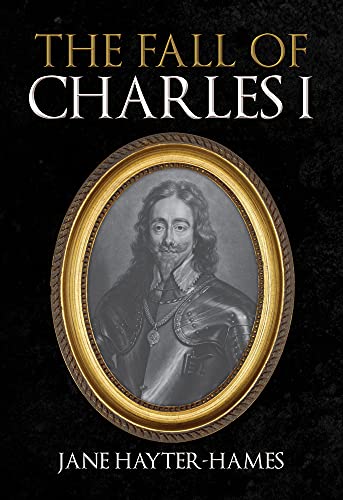
The Fall of Charles I
Anbieter: ThriftBooks-Dallas, Dallas, TX, USA
Verkäuferbewertung 5 von 5 Sternen

Hardcover. Zustand: Very Good. No Jacket. May have limited writing in cover pages. Pages are unmarked. ~ ThriftBooks: Read More, Spend Less.
-
The Fall of Charles I
Anbieter: WorldofBooks, Goring-By-Sea, WS, Vereinigtes Königreich
Verkäuferbewertung 5 von 5 Sternen
EUR 5,87
EUR 6,57 Versand
Versand von Vereinigtes Königreich nach USAAnzahl: 1 verfügbar
In den WarenkorbPaperback. Zustand: Very Good. The book has been read, but is in excellent condition. Pages are intact and not marred by notes or highlighting. The spine remains undamaged.
-
The Fall of Charles I
Anbieter: Running Numbers, Grand Rapids, MI, USA
Verkäuferbewertung 5 von 5 Sternen
hardcover. Zustand: New.
-

hardcover. Zustand: Very Good. Connecting readers with great books since 1972! Used books may not include companion materials, and may have some shelf wear or limited writing. We ship orders daily and Customer Service is our top priority!
-

The Fall of Charles I
Anbieter: WeBuyBooks, Rossendale, LANCS, Vereinigtes Königreich
Verkäuferbewertung 5 von 5 Sternen
EUR 5,21
EUR 8,91 Versand
Versand von Vereinigtes Königreich nach USAAnzahl: 1 verfügbar
In den WarenkorbZustand: Like New. Most items will be dispatched the same or the next working day. An apparently unread copy in perfect condition. Dust cover is intact with no nicks or tears. Spine has no signs of creasing. Pages are clean and not marred by notes or folds of any kind.
-
Arthur O'Connor : United Irishman
Anbieter: Better World Books, Mishawaka, IN, USA
Verkäuferbewertung 5 von 5 Sternen
Zustand: Very Good. Former library copy. Pages intact with possible writing/highlighting. Binding strong with minor wear. Dust jackets/supplements may not be included. Includes library markings. Stock photo provided. Product includes identifying sticker. Better World Books: Buy Books. Do Good.
-
Zustand: As New. Unread book in perfect condition.
-
The Fall of Charles I
Anbieter: Seagull Books, Hove, Vereinigtes Königreich
Verkäuferbewertung 5 von 5 Sternen
EUR 6,94
EUR 15,83 Versand
Versand von Vereinigtes Königreich nach USAAnzahl: 1 verfügbar
In den WarenkorbHardcover. Zustand: Very Good. Zustand des Schutzumschlags: Very Good. Has some light general reading/shelfwear - otherwise this is a clean, tight copy. Quick dispatch from the UK. Book.
-

Zustand: New.
-
The Fall of Charles I
Anbieter: PBShop.store US, Wood Dale, IL, USA
Verkäuferbewertung 5 von 5 Sternen
HRD. Zustand: New. New Book. Shipped from UK. Established seller since 2000.
-

The Fall of Charles I
Anbieter: Rarewaves.com USA, London, LONDO, Vereinigtes Königreich
Verkäuferbewertung 5 von 5 Sternen
EUR 25,11
Versand gratis
Versand von Vereinigtes Königreich nach USAAnzahl: Mehr als 20 verfügbar
In den WarenkorbHardback. Zustand: New. Was Charles I a tyrant? He was a small man with a stammer who inherited three kingdoms when young but ultimately lost his head. His mistakes were blatant but the conflicts that arose over religion and royal power would have tested a more skilful king.First with Scotland, then in Ireland and finally in England, powerful men with strong passions set themselves in opposition to him. English MPs, Scottish Calvinists and Irish Catholics all made demands. A nervous man and poor negotiator, Charles was nonetheless a courageous general. As sides coalesced and broke apart, new forms of government were hotly debated but no agreement reached.It was a tragic time, with lives and fortunes lost; for Ireland it was a catastrophe as England broke Irish Catholic society and confiscated land. Yet it was also a time of radical ideas, commercial success and scientific advancement.Who were Charles Stuart and Henrietta-Maria, his French queen? What motivated their opponents, and why was it Oliver Cromwell who rose to power? Extraordinary characters like Alasdair MacDonald, John Lilburne, Murrough the Burner and Montrose all blazed their trails. This book combines the story of all three kingdoms and explores the motives of the principal protagonists to show why government collapsed and the king was finally executed.
-

Hardback. Zustand: New. Was Charles I a tyrant? He was a small man with a stammer who inherited three kingdoms when young but ultimately lost his head. His mistakes were blatant but the conflicts that arose over religion and royal power would have tested a more skilful king.First with Scotland, then in Ireland and finally in England, powerful men with strong passions set themselves in opposition to him. English MPs, Scottish Calvinists and Irish Catholics all made demands. A nervous man and poor negotiator, Charles was nonetheless a courageous general. As sides coalesced and broke apart, new forms of government were hotly debated but no agreement reached.It was a tragic time, with lives and fortunes lost; for Ireland it was a catastrophe as England broke Irish Catholic society and confiscated land. Yet it was also a time of radical ideas, commercial success and scientific advancement.Who were Charles Stuart and Henrietta-Maria, his French queen? What motivated their opponents, and why was it Oliver Cromwell who rose to power? Extraordinary characters like Alasdair MacDonald, John Lilburne, Murrough the Burner and Montrose all blazed their trails. This book combines the story of all three kingdoms and explores the motives of the principal protagonists to show why government collapsed and the king was finally executed.
-
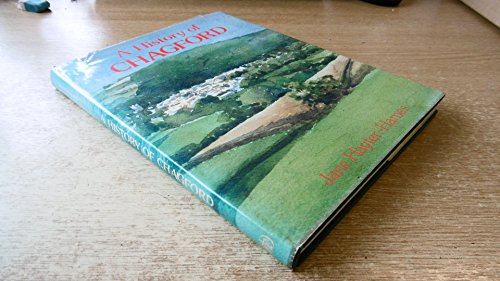
A History of Chagford
Anbieter: Argosy Book Store, ABAA, ILAB, New York, NY, USA
Verkäuferbewertung 5 von 5 Sternen
Erstausgabe Signiert
hardcover. Zustand: very good(+). Zustand des Schutzumschlags: near fine. First. Illus. 4to, green cloth, d.w. (London): Phillimore, (1981). Very good(+) Signed by the author.
-

Puritan Rule Under Cromwell
Anbieter: GreatBookPrices, Columbia, MD, USA
Verkäuferbewertung 5 von 5 Sternen
Zustand: New.
-
Puritan Rule Under Cromwell (Hardcover)
Sprache: Englisch
Verlag: Amberley Publishing, Chalford, 2024
ISBN 10: 1398113530 ISBN 13: 9781398113534
Anbieter: Grand Eagle Retail, Bensenville, IL, USA
Verkäuferbewertung 5 von 5 Sternen
Hardcover. Zustand: new. Hardcover. The execution of Charles I left the Puritans free to rule England and put their beliefs into practice. Once Oliver Cromwell conquered Ireland, they began a process of radical change there, confiscating land, awarding it to British Protestants and reorganising church and state. Protestant Scotland was a different challenge. When Charles II landed, the Scots rallied around him but Cromwell broke through, flushed the royalists into England and beat them at Worcester. Scotland was not punished as Ireland was, but it was ruled from London.With power in their hands, why did the Commonwealthsmen fail? Was it divergent aims among the leaders, an inability to organise or lack of money? A godly way of life pleased few while taxation remained high. Millenarian excitement and domination by the army alarmed many and social reform proved slow. Revolution proved easy to make but hard to settle. In an age of religious ferment and commercial expansion, competing interests pressed their advantage. Oliver Cromwells powerful personality held the three nations together for a decade but, after his death, his son struggled. How could the government and people of the three nations be reconciled?Only a powerful general and a legitimate heir could restore order. The execution of Charles I in 1649 began a decade of constitutional experiment. In 1660, Charles Is son was restored as king. This book shows who gained power, why they failed, how the constitution was revised and why the monarchy was reinstated. Shipping may be from multiple locations in the US or from the UK, depending on stock availability.
-
Puritan Rule Under Cromwell
Anbieter: GreatBookPrices, Columbia, MD, USA
Verkäuferbewertung 5 von 5 Sternen
Zustand: As New. Unread book in perfect condition.
-
Puritan Rule Under Cromwell
Anbieter: WorldofBooks, Goring-By-Sea, WS, Vereinigtes Königreich
Verkäuferbewertung 5 von 5 Sternen
EUR 19,93
EUR 6,57 Versand
Versand von Vereinigtes Königreich nach USAAnzahl: 2 verfügbar
In den WarenkorbPaperback. Zustand: Very Good. The book has been read, but is in excellent condition. Pages are intact and not marred by notes or highlighting. The spine remains undamaged.
-

The Official Guide to Dartmoor
Sprache: Englisch
Verlag: The County Associations
Anbieter: Nigel Smith Books, Gunnislake, Vereinigtes Königreich
Verkäuferbewertung 5 von 5 Sternen
EUR 3,62
EUR 22,87 Versand
Versand von Vereinigtes Königreich nach USAAnzahl: 1 verfügbar
In den WarenkorbPaperback. Zustand: Fair. 5th edition. Pages tanned, staples rusting and centre pages disattached; cover has some shelfwear and rubbing, rear cover has a corner crease. Undated, but probably c.1960 (certainly pre-1968).
-
The Fall of Charles I
Anbieter: PBShop.store UK, Fairford, GLOS, Vereinigtes Königreich
Verkäuferbewertung 5 von 5 Sternen
EUR 21,68
EUR 5,89 Versand
Versand von Vereinigtes Königreich nach USAAnzahl: 4 verfügbar
In den WarenkorbHRD. Zustand: New. New Book. Shipped from UK. Established seller since 2000.
-
Puritan Rule Under Cromwell
Anbieter: PBShop.store US, Wood Dale, IL, USA
Verkäuferbewertung 5 von 5 Sternen
HRD. Zustand: New. New Book. Shipped from UK. Established seller since 2000.
-
The Fall of Charles I
Anbieter: Brit Books, Milton Keynes, Vereinigtes Königreich
Verkäuferbewertung 4 von 5 Sternen

EUR 8,01
EUR 18,75 Versand
Versand von Vereinigtes Königreich nach USAAnzahl: 1 verfügbar
In den WarenkorbHardcover. Zustand: Used; Good. ***Simply Brit*** Welcome to our online used book store, where affordability meets great quality. Dive into a world of captivating reads without breaking the bank. We take pride in offering a wide selection of used books, from classics to hidden gems, ensuring there is something for every literary palate. All orders are shipped within 24 hours and our lightning fast-delivery within 48 hours coupled with our prompt customer service ensures a smooth journey from ordering to delivery. Discover the joy of reading with us, your trusted source for affordable books that do not compromise on quality.
-

The Fall of Charles I (Hardcover)
Sprache: Englisch
Verlag: Amberley Publishing, Chalford, 2022
ISBN 10: 1398108081 ISBN 13: 9781398108080
Anbieter: Grand Eagle Retail, Bensenville, IL, USA
Verkäuferbewertung 5 von 5 Sternen
Hardcover. Zustand: new. Hardcover. Was Charles I a tyrant? He was a small man with a stammer, who inherited three kingdoms when young but ultimately lost his head. His mistakes were blatant but the conflicts that arose over religion and royal power would have tested a more skilful king. First with Scotland, then in Ireland and finally in England, powerful men with strong passions set themselves in opposition to him. English MPs, Scottish Calvinists and Irish Catholics all made demands. A nervous man and poor negotiator, Charles was nonetheless a courageous general. As sides coalesced and broke apart, new forms of government were hotly debated but no agreement reached. It was a tragic time, with lives and fortunes lost; for Ireland it was a catastrophe as England broke Irish Catholic society and confiscated land. Yet it was also a time of radical ideas, commercial success and scientific advance. Who were Charles Stuart and Henrietta-Maria, his French queen? What motivated their opponents and why was it Oliver Cromwell who rose to power? Extraordinary characters like Alasdair MacDonald, John Lilburne, Murrough the Burner and Montrose all blazed their trails. This book combines the story of all three kingdoms and explores the motives of the principal protagonists to show why government collapsed and the king was finally executed. Written in an accessible style and supported by robust research, Jane Hayter-Hames tells the intriguing story of one of the most fascinating moments in the history of the British monarchy: the downfall and execution of Charles I. Shipping may be from multiple locations in the US or from the UK, depending on stock availability.
-
The Fall of Charles I
Anbieter: Postscript Books, Newton Abbot, DEVON, Vereinigtes Königreich
Verkäuferbewertung 5 von 5 Sternen
EUR 14,48
EUR 12,90 Versand
Versand von Vereinigtes Königreich nach USAAnzahl: 16 verfügbar
In den WarenkorbHardcover. Zustand: New. Jane Hayter-Hames traces the long period of conflict over religion and royal power that culminated in the collapse of government and the execution of Charles I. Beginning with his father's inheritance of the English and Irish thrones in 1603, she describes the tensions and radical ideas of the age while examining Charles' serious mistakes and the motivations of Oliver Cromwell and many other powerful men who opposed the king.
-

Puritan Rule Under Cromwell
Anbieter: Rarewaves.com USA, London, LONDO, Vereinigtes Königreich
Verkäuferbewertung 5 von 5 Sternen
EUR 27,84
Versand gratis
Versand von Vereinigtes Königreich nach USAAnzahl: Mehr als 20 verfügbar
In den WarenkorbHardback. Zustand: New. The execution of Charles I left the Puritans free to rule England and put their beliefs into practice. Once Oliver Cromwell conquered Ireland, they began a process of radical change there, confiscating land, awarding it to British Protestants and reorganising church and state. Protestant Scotland was a different challenge. When Charles II landed, the Scots rallied around him but Cromwell broke through, flushed the royalists into England and beat them at Worcester. Scotland was not punished as Ireland was, but it was ruled from London.With power in their hands, why did the Commonwealthsmen fail? Was it divergent aims among the leaders, an inability to organise or lack of money? A godly way of life pleased few while taxation remained high. Millenarian excitement and domination by the army alarmed many and social reform proved slow. Revolution proved easy to make but hard to settle. In an age of religious ferment and commercial expansion, competing interests pressed their advantage. Oliver Cromwell's powerful personality held the three nations together for a decade but, after his death, his son struggled. How could the government and people of the three nations be reconciled?Only a powerful general and a legitimate heir could restore order.
-
Puritan Rule Under Cromwell
Anbieter: PBShop.store UK, Fairford, GLOS, Vereinigtes Königreich
Verkäuferbewertung 5 von 5 Sternen
EUR 24,13
EUR 5,89 Versand
Versand von Vereinigtes Königreich nach USAAnzahl: 2 verfügbar
In den WarenkorbHRD. Zustand: New. New Book. Shipped from UK. Established seller since 2000.
-

Hardback. Zustand: New. The execution of Charles I left the Puritans free to rule England and put their beliefs into practice. Once Oliver Cromwell conquered Ireland, they began a process of radical change there, confiscating land, awarding it to British Protestants and reorganising church and state. Protestant Scotland was a different challenge. When Charles II landed, the Scots rallied around him but Cromwell broke through, flushed the royalists into England and beat them at Worcester. Scotland was not punished as Ireland was, but it was ruled from London.With power in their hands, why did the Commonwealthsmen fail? Was it divergent aims among the leaders, an inability to organise or lack of money? A godly way of life pleased few while taxation remained high. Millenarian excitement and domination by the army alarmed many and social reform proved slow. Revolution proved easy to make but hard to settle. In an age of religious ferment and commercial expansion, competing interests pressed their advantage. Oliver Cromwell's powerful personality held the three nations together for a decade but, after his death, his son struggled. How could the government and people of the three nations be reconciled?Only a powerful general and a legitimate heir could restore order.
-
The Fall of Charles I
Anbieter: Majestic Books, Hounslow, Vereinigtes Königreich
Verkäuferbewertung 4 von 5 Sternen
EUR 24,66
EUR 7,62 Versand
Versand von Vereinigtes Königreich nach USAAnzahl: 3 verfügbar
In den WarenkorbZustand: New.
-
Arthur O'Connor: United Irishman
Anbieter: AwesomeBooks, Wallingford, Vereinigtes Königreich
Verkäuferbewertung 5 von 5 Sternen
EUR 28,23
EUR 4,83 Versand
Versand von Vereinigtes Königreich nach USAAnzahl: 1 verfügbar
In den WarenkorbHardcover. Zustand: Very Good. Arthur O'Connor: United Irishman This book is in very good condition and will be shipped within 24 hours of ordering. The cover may have some limited signs of wear but the pages are clean, intact and the spine remains undamaged. This book has clearly been well maintained and looked after thus far. Money back guarantee if you are not satisfied. See all our books here, order more than 1 book and get discounted shipping. .
-
Arthur O'Connor- United Irishman
Anbieter: Geata Buidhe - Yellow Gate - Books, Kilkenny, KK, Irland
Verkäuferbewertung 4 von 5 Sternen
Erstausgabe
Hardcover. Zustand: Very Good. Zustand des Schutzumschlags: Very Good. First Edition. xi, 338. 'In eighteenth-century Ireland radical intellectuals embraced revolution. One was Arthur O'Connor, born in 1763 and heir to estates and influence. He studied law, became an MP in the Irish House of Commons and High Sheriff of Cork. He joined the United Irishmen in 1785 and travelled wit Lord Edward FitzGerald to bring the French to Bantry Bay. In Incendiary orator and pamphleteer, he was arrested in February 1797. Released on bail he set about rousing the country. En route to France for aid in 1798 he was arrested in England, tried fro treason and acquitted but immediately re-arrested. He was not released until 1802 after agreeing to exile in France. O'Connor settled in France, became a General de Division in the French army and negotiated with Napoleon for another expedition to Ireland .'.
-
The Fall of Charles I
Anbieter: Brook Bookstore On Demand, Napoli, NA, Italien
Verkäuferbewertung 5 von 5 Sternen
Zustand: new.

