
Gesamtpreis (1 Artikel Artikel):
Versandziel:

hoffman mea (29 Ergebnisse)
Direkt zu den wichtigsten Suchergebnissen
Suchfilter
Produktart
- Alle Product Types
- Bücher (29)
- Magazine & Zeitschriften (Keine weiteren Ergebnisse entsprechen dieser Verfeinerung)
- Comics (Keine weiteren Ergebnisse entsprechen dieser Verfeinerung)
- Noten (Keine weiteren Ergebnisse entsprechen dieser Verfeinerung)
- Kunst, Grafik & Poster (Keine weiteren Ergebnisse entsprechen dieser Verfeinerung)
- Fotografien (Keine weiteren Ergebnisse entsprechen dieser Verfeinerung)
- Karten (Keine weiteren Ergebnisse entsprechen dieser Verfeinerung)
- Manuskripte & Papierantiquitäten (Keine weiteren Ergebnisse entsprechen dieser Verfeinerung)
Zustand Mehr dazu
- Neu (26)
- Wie Neu, Sehr Gut oder Gut Bis Sehr Gut (2)
- Gut oder Befriedigend (1)
- Ausreichend oder Schlecht (Keine weiteren Ergebnisse entsprechen dieser Verfeinerung)
- Wie beschrieben (Keine weiteren Ergebnisse entsprechen dieser Verfeinerung)
Einband
Weitere Eigenschaften
- Erstausgabe (Keine weiteren Ergebnisse entsprechen dieser Verfeinerung)
- Signiert (Keine weiteren Ergebnisse entsprechen dieser Verfeinerung)
- Schutzumschlag (Keine weiteren Ergebnisse entsprechen dieser Verfeinerung)
- Angebotsfoto (12)
- Keine Print-on-Demand Angebote (29)
Sprache (1)
Preis
- Beliebiger Preis
- Weniger als EUR 20 (Keine weiteren Ergebnisse entsprechen dieser Verfeinerung)
- EUR 20 bis EUR 45
- Mehr als EUR 45
Gratisversand
Land des Verkäufers
Verkäuferbewertung
-
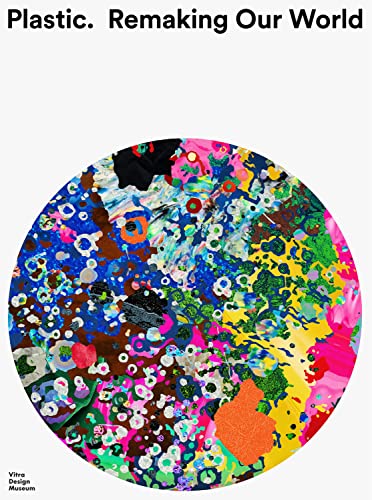
Plastic: Remaking Our World
Anbieter: Midtown Scholar Bookstore, Harrisburg, PA, USA
Verkäuferbewertung 5 von 5 Sternen

paperback. Zustand: Good. Good - Bumped and creased book with tears to the extremities, but not affecting the text block, may have remainder mark or previous owner's name - GOOD PAPERBACK Standard-sized.
-
Plastic : Remaking Our World
Anbieter: GreatBookPrices, Columbia, MD, USA
Verkäuferbewertung 5 von 5 Sternen
Zustand: New.
-
Plastic: Remaking Our World
Anbieter: PBShop.store US, Wood Dale, IL, USA
Verkäuferbewertung 5 von 5 Sternen
PAP. Zustand: New. New Book. Shipped from UK. Established seller since 2000.
-
Plastic: Remaking Our World
Anbieter: PBShop.store UK, Fairford, GLOS, Vereinigtes Königreich
Verkäuferbewertung 5 von 5 Sternen
EUR 41,41
EUR 6,78 shipping
Versand von Vereinigtes Königreich nach USAAnzahl: 1 verfügbar
In den WarenkorbPAP. Zustand: New. New Book. Shipped from UK. Established seller since 2000.
-

Plastic : Remaking Our World
Anbieter: GreatBookPrices, Columbia, MD, USA
Verkäuferbewertung 5 von 5 Sternen
Zustand: As New. Unread book in perfect condition.
-
PLASTIC: REMAKING OUR WORLD
Anbieter: Brook Bookstore On Demand, Napoli, NA, Italien
Verkäuferbewertung 5 von 5 Sternen
Zustand: new.
-

Plastic: Remaking Our World (Paperback or Softback)
Sprache: Englisch
Verlag: Vitra Design Museum 6/7/2022, 2022
ISBN 10: 3945852471 ISBN 13: 9783945852477
Anbieter: BargainBookStores, Grand Rapids, MI, USA
Verkäuferbewertung 5 von 5 Sternen
Paperback or Softback. Zustand: New. Plastic: Remaking Our World. Book.
-
Plastic Remaking Our World
Anbieter: Lakeside Books, Benton Harbor, MI, USA
Verkäuferbewertung 5 von 5 Sternen
Zustand: New. Brand New! Not Overstocks or Low Quality Book Club Editions! Direct From the Publisher! We're not a giant, faceless warehouse organization! We're a small town bookstore that loves books and loves it's customers! Buy from Lakeside Books!
-

Plastic: Remaking Our World (Paperback)
Anbieter: Grand Eagle Retail, Bensenville, IL, USA
Verkäuferbewertung 5 von 5 Sternen
Paperback. Zustand: new. Paperback. Plastic has shaped our daily lives like no other material. Originally associated with convenience, progress, even revolution, today plastic seems to have lost its utopian appeal. Plastic is everywhere, yet most conspicuous as waste and as a key factor in the global environmental crisis. This book examines the success story of plastic in the twentieth century and at the same time presents the different discourses on how we should manage the waste the material produces and also find solutions that take into account its entire life cycle in the future.Mark Miodownik, Susan Freinkel, and Nanjala Nyabola each contribute an essay that sheds light on the history of plastics from 1850 to today. A material-rich visual chronology illustrates how consumers' perception of plastics has changed over the decades. Brief descriptions of a selection of 50 objects examine the importance of plastics for material culture. Reprints of fundamental texts about the history of plastics-for example by Alexander Parkes and Roland Barthes-provide a context from the history of ideas.The book reflects the current discourse and state of research on plastic with numerous individual interviews and panel discussions that were held with designers, representatives from industry, researchers, and environmental activists. Underpinning these conversations are comprehensive data visualizations on plastic production and consumption, recycling. Shipping may be from multiple locations in the US or from the UK, depending on stock availability.
-
Plastic: Remaking Our World
Anbieter: Lucky's Textbooks, Dallas, TX, USA
Verkäuferbewertung 5 von 5 Sternen
Zustand: New.
-
Plastic: Remaking Our World
Anbieter: Majestic Books, Hounslow, Vereinigtes Königreich
Verkäuferbewertung 4 von 5 Sternen

EUR 51,16
EUR 7,51 shipping
Versand von Vereinigtes Königreich nach USAAnzahl: 3 verfügbar
In den WarenkorbZustand: New.
-

Plastic: Remaking Our World
Anbieter: Rarewaves.com USA, London, LONDO, Vereinigtes Königreich
Verkäuferbewertung 5 von 5 Sternen
EUR 59,21
Versand gratis
Versand von Vereinigtes Königreich nach USAAnzahl: 2 verfügbar
In den WarenkorbPaperback. Zustand: New. Plastic has shaped our daily lives like no other material. Originally associated with convenience, progress, even revolution, today plastic seems to have lost its utopian appeal. Plastic is everywhere, yet most conspicuous as waste and as a key factor in the global environmental crisis. This book examines the success story of plastic in the twentieth century and at the same time presents the different discourses on how we should manage the waste the material produces and also find solutions that take into account its entire life cycle in the future. Mark Miodownik, Susan Freinkel, and Nanjala Nyabola each contribute an essay that sheds light on the history of plastics from 1850 to today. A material-rich visual chronology illustrates how consumers' perception of plastics has changed over the decades. Brief descriptions of a selection of 50 objects examine the importance of plastics for material culture. Reprints of fundamental texts about the history of plastics-for example by Alexander Parkes and Roland Barthes-provide a context from the history of ideas. The book reflects the current discourse and state of research on plastic with numerous individual interviews and panel discussions that were held with designers, representatives from industry, researchers, and environmental activists. Underpinning these conversations are comprehensive data visualizations on plastic production and consumption, recycling.
-
Plastic : Remaking Our World
Anbieter: GreatBookPricesUK, Woodford Green, Vereinigtes Königreich
Verkäuferbewertung 5 von 5 Sternen
EUR 41,40
EUR 17,33 shipping
Versand von Vereinigtes Königreich nach USAAnzahl: 1 verfügbar
In den WarenkorbZustand: New.
-
Plastic: Remaking Our World
Anbieter: Ria Christie Collections, Uxbridge, Vereinigtes Königreich
Verkäuferbewertung 5 von 5 Sternen
EUR 46,03
EUR 13,84 shipping
Versand von Vereinigtes Königreich nach USAAnzahl: 3 verfügbar
In den WarenkorbZustand: New. In.
-
Plastic: Remaking Our World
Sprache: Englisch
Verlag: Vitra Design Museum 2022-03-31, 2022
ISBN 10: 3945852471 ISBN 13: 9783945852477
Anbieter: Chiron Media, Wallingford, Vereinigtes Königreich
Verkäuferbewertung 4 von 5 Sternen
EUR 44,08
EUR 17,89 shipping
Versand von Vereinigtes Königreich nach USAAnzahl: 3 verfügbar
In den WarenkorbHardcover. Zustand: New.
-
Plastic: Remaking Our World
Anbieter: California Books, Miami, FL, USA
Verkäuferbewertung 5 von 5 Sternen
Zustand: New.
-
Plastic: Remaking Our World
Anbieter: Kennys Bookshop and Art Galleries Ltd., Galway, GY, Irland
Verkäuferbewertung 5 von 5 Sternen
Zustand: New. 2022. Paperback. . . . . .
-
Plastic : Remaking Our World
Anbieter: GreatBookPricesUK, Woodford Green, Vereinigtes Königreich
Verkäuferbewertung 5 von 5 Sternen
EUR 48,20
EUR 17,33 shipping
Versand von Vereinigtes Königreich nach USAAnzahl: 1 verfügbar
In den WarenkorbZustand: As New. Unread book in perfect condition.
-

Paperback. Zustand: New. Plastic has shaped our daily lives like no other material. Originally associated with convenience, progress, even revolution, today plastic seems to have lost its utopian appeal. Plastic is everywhere, yet most conspicuous as waste and as a key factor in the global environmental crisis. This book examines the success story of plastic in the twentieth century and at the same time presents the different discourses on how we should manage the waste the material produces and also find solutions that take into account its entire life cycle in the future. Mark Miodownik, Susan Freinkel, and Nanjala Nyabola each contribute an essay that sheds light on the history of plastics from 1850 to today. A material-rich visual chronology illustrates how consumers' perception of plastics has changed over the decades. Brief descriptions of a selection of 50 objects examine the importance of plastics for material culture. Reprints of fundamental texts about the history of plastics-for example by Alexander Parkes and Roland Barthes-provide a context from the history of ideas. The book reflects the current discourse and state of research on plastic with numerous individual interviews and panel discussions that were held with designers, representatives from industry, researchers, and environmental activists. Underpinning these conversations are comprehensive data visualizations on plastic production and consumption, recycling.
-
Plastic: Remaking Our World
Anbieter: Kennys Bookstore, Olney, MD, USA
Verkäuferbewertung 5 von 5 Sternen
Zustand: New. 2022. Paperback. . . . . . Books ship from the US and Ireland.
-
Plastic: Remaking Our World
Anbieter: Revaluation Books, Exeter, Vereinigtes Königreich
Verkäuferbewertung 5 von 5 Sternen
EUR 57,17
EUR 14,44 shipping
Versand von Vereinigtes Königreich nach USAAnzahl: 2 verfügbar
In den WarenkorbPaperback. Zustand: Brand New. 254 pages. 10.50x7.75x0.79 inches. In Stock.
-
Plastic: Remaking Our World
Anbieter: Biblios, Frankfurt am main, HESSE, Deutschland
Verkäuferbewertung 4 von 5 Sternen
Zustand: New.
-
EUR 41,49
EUR 47,36 shipping
Versand von Vereinigtes Königreich nach USAAnzahl: 3 verfügbar
In den WarenkorbZustand: NEW.
-
Plastic: Remaking Our World
Anbieter: Russell Books, Victoria, BC, Kanada
Verkäuferbewertung 4 von 5 Sternen
Paperback. Zustand: New. Special order direct from the distributor.
-

Plastic: Remaking Our World (Paperback)
Anbieter: AussieBookSeller, Truganina, VIC, Australien
Verkäuferbewertung 5 von 5 Sternen
Paperback. Zustand: new. Paperback. Plastic has shaped our daily lives like no other material. Originally associated with convenience, progress, even revolution, today plastic seems to have lost its utopian appeal. Plastic is everywhere, yet most conspicuous as waste and as a key factor in the global environmental crisis. This book examines the success story of plastic in the twentieth century and at the same time presents the different discourses on how we should manage the waste the material produces and also find solutions that take into account its entire life cycle in the future.Mark Miodownik, Susan Freinkel, and Nanjala Nyabola each contribute an essay that sheds light on the history of plastics from 1850 to today. A material-rich visual chronology illustrates how consumers' perception of plastics has changed over the decades. Brief descriptions of a selection of 50 objects examine the importance of plastics for material culture. Reprints of fundamental texts about the history of plastics-for example by Alexander Parkes and Roland Barthes-provide a context from the history of ideas.The book reflects the current discourse and state of research on plastic with numerous individual interviews and panel discussions that were held with designers, representatives from industry, researchers, and environmental activists. Underpinning these conversations are comprehensive data visualizations on plastic production and consumption, recycling. Shipping may be from our Sydney, NSW warehouse or from our UK or US warehouse, depending on stock availability.
-
Plastic: Remaking Our World
Anbieter: Revaluation Books, Exeter, Vereinigtes Königreich
Verkäuferbewertung 5 von 5 Sternen
EUR 85,88
EUR 14,44 shipping
Versand von Vereinigtes Königreich nach USAAnzahl: 2 verfügbar
In den WarenkorbPaperback. Zustand: Brand New. 254 pages. 10.50x7.75x0.79 inches. In Stock.
-

Plastic: Remaking Our World
Anbieter: Rarewaves USA United, OSWEGO, IL, USA
Verkäuferbewertung 5 von 5 Sternen
Paperback. Zustand: New. Plastic has shaped our daily lives like no other material. Originally associated with convenience, progress, even revolution, today plastic seems to have lost its utopian appeal. Plastic is everywhere, yet most conspicuous as waste and as a key factor in the global environmental crisis. This book examines the success story of plastic in the twentieth century and at the same time presents the different discourses on how we should manage the waste the material produces and also find solutions that take into account its entire life cycle in the future. Mark Miodownik, Susan Freinkel, and Nanjala Nyabola each contribute an essay that sheds light on the history of plastics from 1850 to today. A material-rich visual chronology illustrates how consumers' perception of plastics has changed over the decades. Brief descriptions of a selection of 50 objects examine the importance of plastics for material culture. Reprints of fundamental texts about the history of plastics-for example by Alexander Parkes and Roland Barthes-provide a context from the history of ideas. The book reflects the current discourse and state of research on plastic with numerous individual interviews and panel discussions that were held with designers, representatives from industry, researchers, and environmental activists. Underpinning these conversations are comprehensive data visualizations on plastic production and consumption, recycling.
-

Plastic: Remaking Our World
Sprache: Englisch
Verlag: Vitra Design Museum Mär 2022, 2022
ISBN 10: 3945852471 ISBN 13: 9783945852477
Anbieter: AHA-BUCH GmbH, Einbeck, Deutschland
Verkäuferbewertung 5 von 5 Sternen
Taschenbuch. Zustand: Neu. Neuware - Plastic has shaped our daily lives like no other material. Originally associated with convenience, progress, even revolution, today plastic seems to have lost its utopian appeal. Plastic is everywhere, yet most conspicuous as waste and as a key factor in the global environmental crisis. This book examines the success story of plastic in the twentieth century and at the same time presents the different discourses on how we should tackle the global plastic waste crisis and find solutions that lead us towards a plastic economy that is truly circular. Mark Miodownik, Susan Freinkel, and Nanjala Nyabola each contribute an essay that sheds light on the history of plastics from 1850 to today. A material-rich visual chronology illustrates how consumers' perception of plastics has changed over the decades. Brief descriptions of a selection of 40 objects from renowned collections examine the importance of plastics for material culture. Reprints of fundamental texts about the history of plastics - from Alexander Parkes (1865) to Max Liboiron (2018) - provide a context from the history of ideas. The book reflects the current discourse and state of research on plastic with numerous individual interviews and panel discussions that were held with designers, representatives from industry, researchers, and environmental activists. Underpinning these conversations are comprehensive data visualizations on plastic production and consumption, recycling. With contributions by Susan Freinkel, Mark Miodownik and Nanjala Nyabola; interviews with Jane Atfield, Diana Cohen, John McGeehan, Klarenbeek & Dros, The Shellworks, and others.
-

Plastic: Remaking Our World
Anbieter: Rarewaves.com UK, London, Vereinigtes Königreich
Verkäuferbewertung 5 von 5 Sternen
EUR 55,37
EUR 75,08 shipping
Versand von Vereinigtes Königreich nach USAAnzahl: 2 verfügbar
In den WarenkorbPaperback. Zustand: New. Plastic has shaped our daily lives like no other material. Originally associated with convenience, progress, even revolution, today plastic seems to have lost its utopian appeal. Plastic is everywhere, yet most conspicuous as waste and as a key factor in the global environmental crisis. This book examines the success story of plastic in the twentieth century and at the same time presents the different discourses on how we should manage the waste the material produces and also find solutions that take into account its entire life cycle in the future. Mark Miodownik, Susan Freinkel, and Nanjala Nyabola each contribute an essay that sheds light on the history of plastics from 1850 to today. A material-rich visual chronology illustrates how consumers' perception of plastics has changed over the decades. Brief descriptions of a selection of 50 objects examine the importance of plastics for material culture. Reprints of fundamental texts about the history of plastics-for example by Alexander Parkes and Roland Barthes-provide a context from the history of ideas. The book reflects the current discourse and state of research on plastic with numerous individual interviews and panel discussions that were held with designers, representatives from industry, researchers, and environmental activists. Underpinning these conversations are comprehensive data visualizations on plastic production and consumption, recycling.

